
More than 80 percent of consumers say a brand’s online presence shapes their trust and buying decisions. Digital branding now sits at the core of business success, building more than just logos or websites. It creates authentic, memorable connections that set brands apart in a crowded digital world. This guide unpacks the fundamentals of digital branding and reveals how strong online strategies drive recognition, customer loyalty, and measurable business growth.
Table of Contents
- Digital Branding Defined And Core Concepts
- Essential Elements Of A Digital Brand
- Key Strategies For Building Digital Brands
- Business Benefits And Real-World Applications
- Common Challenges And Mistakes To Avoid
Key Takeaways
| Point | Details |
|---|---|
| Digital Branding Overview | Digital branding strategically builds and manages a company’s online identity through consistent messaging and visual identity across various digital platforms. |
| Core Elements | Essential components like visual identity, brand voice, content strategy, and digital touchpoints form the foundation of a strong digital brand presence. |
| Strategic Approaches | Successful brands focus on creating audience-centric content, leveraging multi-channel engagement, and using data-driven personalisation to strengthen connections. |
| Common Challenges | Businesses must avoid inconsistencies in messaging and neglecting audience research to maintain an authentic and effective digital brand identity. |
Digital Branding Defined and Core Concepts
Digital branding represents a strategic approach to building and managing a company’s online identity and reputation. According to en.wikipedia.org, it is a brand management technique that leverages internet branding and digital marketing to develop brand recognition across multiple digital platforms.
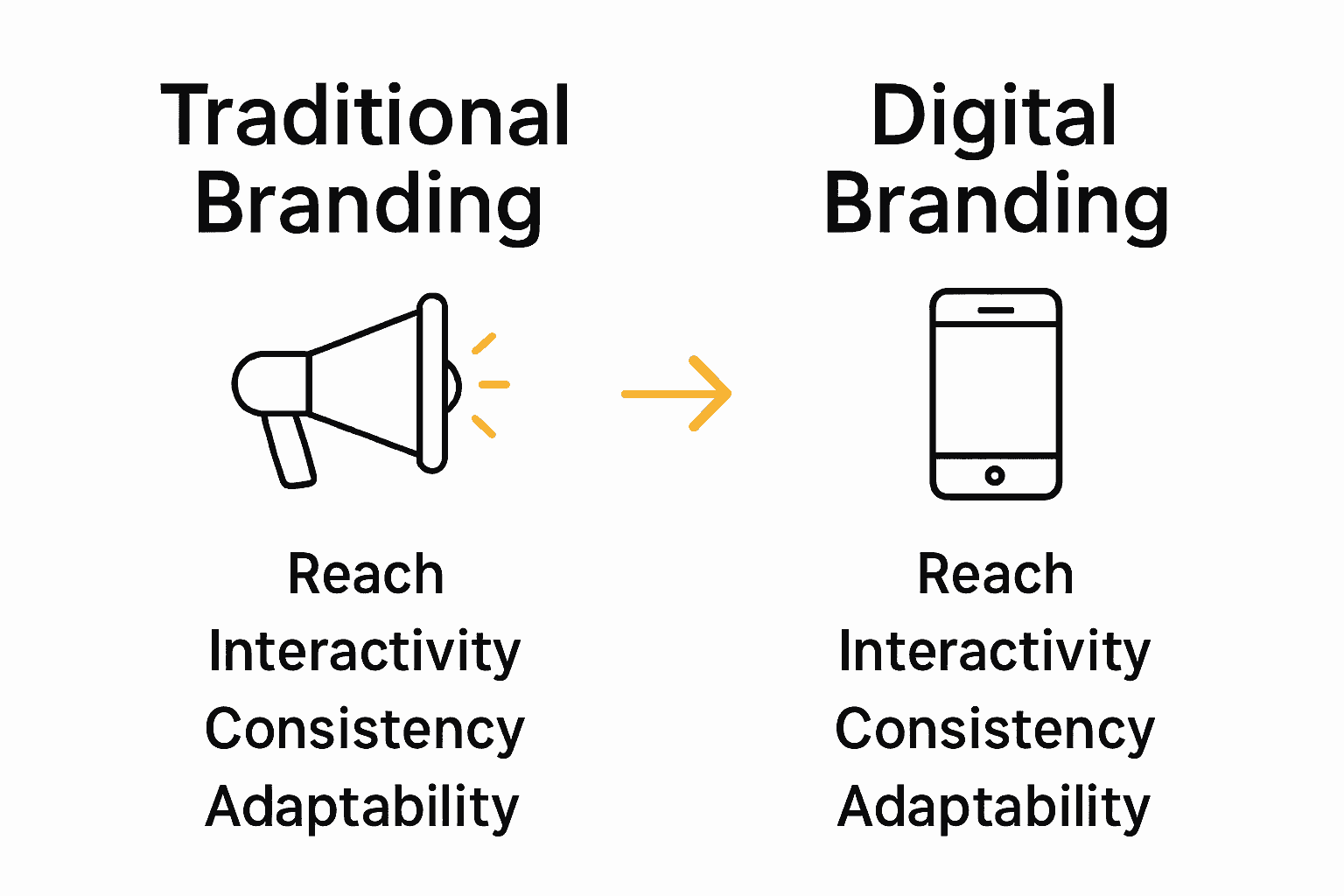
Digital branding goes beyond traditional marketing by creating meaningful connections between consumers and products through diverse digital channels. This approach encompasses several key strategies:
- Establishing a consistent visual and messaging identity online
- Developing engaging digital content that resonates with target audiences
- Creating interactive experiences across websites, social media, and digital applications
- Monitoring and managing online brand perception
The core objective of digital branding is transforming passive digital interactions into compelling brand experiences. arxiv.org introduces the concept of E-Semiotics, which provides a framework for designing and managing digital information products by focusing on structural, contextual, and narrative organisation of online brand communication.
Successful digital branding requires businesses to understand their unique value proposition and communicate it effectively across digital platforms. This means crafting a cohesive narrative that connects with audiences emotionally while delivering clear, authentic messaging that differentiates the brand from competitors. By integrating strategic visual design, consistent messaging, and targeted digital engagement, companies can build strong, recognisable digital brand identities that drive customer loyalty and business growth.
Essential Elements of a Digital Brand
Digital brand identity is a comprehensive framework that goes beyond visual aesthetics, encompassing multiple strategic components that define how a business communicates and connects with its audience online. Understanding these essential elements is crucial for creating a memorable and impactful digital presence.
Key components of a robust digital brand include:
Here’s a summary of the essential elements of a digital brand:
| Element | Description | Key Considerations |
|---|---|---|
| Visual Identity | Consistent logo, colours, and design language | Professional design Brand recall |
| Brand Voice | Unique tone and communication style | Authenticity Clarity |
| Content Strategy | Targeted, aligned messaging across platforms | Audience relevance Consistency |
| Digital Touchpoints | Cohesive experiences on all digital platforms | User experience Accessibility |
- Visual Identity: Consistent logo, colour palette, typography, and design language
- Brand Voice: Unique tone, communication style, and personality across digital platforms
- Content Strategy: Aligned messaging that reflects brand values and resonates with target audiences
- Digital Touchpoints: Cohesive experiences across websites, social media, email, and mobile platforms
The most successful digital brands focus on developing a strategic narrative that differentiates them from competitors.
 This involves creating compelling storytelling that connects emotionally with consumers while maintaining authenticity and clarity. Check out our comprehensive guide on digital branding strategies to explore how businesses can craft a distinctive digital identity that drives engagement and loyalty.
Building a strong digital brand requires continuous adaptation and monitoring. This means regularly assessing digital performance, gathering audience feedback, and evolving brand elements to stay relevant. Businesses must invest in understanding their target audience’s preferences, technological trends, and changing digital consumption habits to maintain a dynamic and responsive digital brand that speaks directly to their customers’ needs and aspirations.
Key Strategies for Building Digital Brands
Digital brand building is a strategic process that requires a comprehensive and intentional approach to creating a compelling online presence. Successful businesses understand that digital branding goes far beyond simple marketing tactics, demanding a holistic strategy that connects authentically with target audiences.
Key strategies for effective digital brand development include:
- Consistent Brand Messaging: Develop a unified voice and narrative across all digital platforms
- Audience-Centric Content: Create valuable, relevant content that addresses specific customer needs and pain points
- Multi-Channel Engagement: Leverage diverse digital channels to reach and interact with your target market
- Data-Driven Personalisation: Use analytics and customer insights to tailor digital experiences
- Visual Storytelling: Craft compelling visual narratives that communicate brand values and personality
Learn how to plan a comprehensive digital strategy for business success that transforms your digital brand from generic to extraordinary. Effective digital brand strategies require businesses to think beyond traditional marketing approaches, focusing instead on creating meaningful connections that resonate with modern consumers.
Building a robust digital brand is an ongoing process of adaptation and refinement. Businesses must remain agile, continuously monitoring digital performance, gathering audience feedback, and evolving their strategies to stay relevant in a rapidly changing digital landscape. This means investing in understanding emerging technologies, shifting consumer behaviours, and innovative ways to communicate your brand’s unique value proposition across digital touchpoints.
Business Benefits and Real-World Applications
Digital branding has transformed how businesses connect with their audiences, offering substantial strategic advantages in an increasingly competitive marketplace. According to 202digitalrep.com, digital branding delivers multiple critical benefits including increased brand visibility, enhanced customer engagement, and improved brand loyalty.
The tangible benefits of a robust digital branding strategy include:
- Expanded Market Reach: Connect with global audiences beyond traditional geographical limitations
- Cost-Effective Marketing: Leverage digital channels for more affordable and targeted communication
- Real-Time Customer Interaction: Build direct, meaningful relationships through digital platforms
- Data-Driven Insights: Gather immediate feedback and understanding of customer preferences
- Competitive Differentiation: Create unique digital experiences that set your brand apart
Tapflare.com highlights that user experience (UX) is now an integral element of brand design, emphasising that well-designed digital interactions reinforce brand credibility and encourage deeper customer engagement. Successful businesses are increasingly recognising that digital branding is not just about visibility, but about creating meaningful, personalised experiences that resonate with their target audience.
Real-world applications demonstrate digital branding’s transformative potential across industries. Small businesses can now compete with larger competitors by crafting compelling digital narratives, startups can rapidly build global recognition, and established companies can reinvent their brand image through strategic digital positioning. The key is understanding that digital branding is an ongoing conversation – a dynamic process of listening, adapting, and continuously evolving to meet changing customer expectations and technological landscapes.
Common Challenges and Mistakes to Avoid
Digital branding is a complex landscape fraught with potential pitfalls that can derail even the most well-intentioned marketing efforts. Businesses often encounter significant challenges that can compromise their online brand identity and effectiveness if not carefully navigated.
The most common mistakes in digital branding include:
- Inconsistent Brand Messaging: Sending mixed signals across different digital platforms
- Neglecting Target Audience Research: Creating content without deep understanding of customer needs
- Overcomplicating Digital Presence: Developing complex, difficult-to-navigate digital experiences
- Ignoring Analytics and Feedback: Failing to adapt strategies based on performance data
- Inauthentic Brand Representation: Presenting an artificial or disconnected brand persona
Learn how to develop a robust social media strategy that helps avoid these common digital branding traps. Many businesses struggle with maintaining a cohesive and genuine digital identity, often falling into the trap of chasing trends instead of building a sustainable brand narrative.
Successful digital branding requires a strategic, nuanced approach that balances consistency with adaptability. Businesses must remain vigilant about potential missteps, continuously monitoring their digital presence, gathering authentic customer insights, and being prepared to evolve their strategy. The most resilient digital brands are those that can authentically communicate their core values while remaining flexible enough to respond to changing market dynamics and customer expectations.
Take Control of Your Digital Brand with Expert Support
Building a powerful digital brand means overcoming challenges like inconsistent messaging, unclear audience understanding, and weak online presence. If you are striving for a cohesive digital identity that truly connects with your customers, you need proven strategies and personalised solutions tailored to your unique business goals. From crafting a consistent brand voice to designing seamless digital touchpoints, every detail matters to make your brand stand out and foster loyalty.

Discover how Kickass Online can help you tackle these challenges head-on with professional web development, SEO optimisation, and ongoing website maintenance designed specifically for small and medium-sized businesses. Visit our Tips and Tricks | Kickass Online page for actionable insights and start building your distinct digital brand today. Do not wait for opportunities to slip away - take the first step toward elevating your business at Kickass Online and explore trusted Recommendations | Kickass Online from clients who transformed their online presence. Your strong digital brand starts here.
Frequently Asked Questions
What is digital branding?
Digital branding refers to the strategic management of a company’s online identity and reputation, leveraging internet branding and digital marketing techniques.
What are the key components of a digital brand?
The key components include visual identity, brand voice, content strategy, and digital touchpoints to create a cohesive online presence.
How can businesses effectively build their digital brand?
Businesses can build their digital brand by maintaining consistent messaging, creating audience-centric content, engaging through multiple digital channels, and leveraging data-driven insights.
What common mistakes should be avoided in digital branding?
Common mistakes include inconsistent messaging, neglecting audience research, overcomplicating digital experiences, ignoring analytics, and presenting an inauthentic brand image.
Recommended
- 7 Essential Digital Branding Strategies List for SMBs | Kickass Online
- Why Invest in Digital Marketing: Complete Guide | Kickass Online
- Personal Branding: A Guide to Building Your Online Presence
- Complete Guide to the Role of Digital Marketing | Kickass Online
- 14 Ways To Improve Ecommerce Product Pages For SEO - Appture Digital ~ 855 Get Bizz
- 7 Common Pitfalls in Digital Marketing and How to Avoid Them