
Creating a website for an IT company requires a blend of technical expertise and thoughtful design to effectively communicate services, build trust, and engage visitors. Umbraco, a flexible and powerful content management system (CMS), is an excellent choice for IT businesses looking to build a modern, scalable, and user-friendly website. This guide explores the essential steps and best practices for designing a successful Umbraco website tailored to the needs of an IT company.
When starting your Umbraco project, it’s crucial to work with the latest stable version to take advantage of recent improvements and security updates. Umbraco 16, released in June 2025, introduces significant enhancements that benefit both developers and content editors.

One of the standout features in Umbraco 16 is the adoption of Tiptap as the default rich text editor. This modern editor offers a more intuitive and flexible content editing experience, which is particularly helpful for IT companies that regularly update technical blogs, case studies, or product pages. Additionally, the revamped back-office interface improves usability, making content management smoother for non-technical staff.
New options for locking, moving, and hiding properties provide greater control over content structure and workflow. These features help maintain consistency and prevent accidental changes, which is essential when managing complex IT service offerings or detailed technical documentation.
Moreover, Umbraco 16’s enhanced API capabilities allow for seamless integration with third-party services, enabling developers to create more dynamic and responsive websites. This is particularly advantageous for businesses looking to implement advanced functionalities such as e-commerce solutions or customer relationship management systems. With the improved API, developers can easily connect to various platforms, ensuring that data flows smoothly across different systems, which is crucial for maintaining an efficient online presence.
Furthermore, the introduction of improved performance metrics and analytics tools within Umbraco 16 empowers content teams to make data-driven decisions. By gaining insights into user engagement and content effectiveness, organisations can refine their strategies and enhance the overall user experience. This focus on analytics is particularly beneficial for IT companies aiming to optimise their digital marketing efforts and better understand their audience's needs, ultimately leading to more targeted and effective content delivery.
Performance optimisation is a critical factor in retaining visitors and improving search engine rankings. Slow-loading websites can frustrate users and increase bounce rates, which is detrimental for an IT company aiming to showcase expertise and attract clients. In today’s fast-paced digital landscape, users expect instant gratification; therefore, ensuring that your website performs at its best is not just a technical requirement but a fundamental aspect of user satisfaction.
Using modern image formats such as WebP and implementing lazy loading ensures images load quickly without compromising quality. This is particularly important for IT websites that often feature product screenshots, infographics, or team photos. By optimising images, you not only enhance the visual appeal of your site but also significantly reduce loading times, which can lead to improved user engagement and lower bounce rates. Additionally, employing responsive images that adapt to different screen sizes ensures that mobile users enjoy the same fast experience as those on desktop devices.
Minifying CSS and JavaScript files reduces their size, speeding up page loads. Combining and compressing these files further enhances performance, creating a seamless browsing experience across all devices. Furthermore, adopting asynchronous loading for JavaScript can prevent render-blocking, allowing the page to display content to users more quickly. This is particularly beneficial for IT companies that rely on dynamic content, as it ensures that essential information is accessible without delay, thereby improving the overall user experience.
Leveraging browser caching allows returning visitors to load pages faster by storing static resources locally. Server-side caching reduces the load on your web server during high traffic periods, ensuring your website remains responsive. Implementing a content delivery network (CDN) can further enhance this strategy by distributing your content across multiple servers worldwide, thus reducing latency and improving access speeds for users regardless of their geographical location.
Conducting load testing with tools like k6 simulates real-world traffic scenarios, helping identify performance bottlenecks before they affect users. This proactive approach is vital for IT companies expecting spikes in visitor numbers during product launches or marketing campaigns. Regular load testing not only helps in pinpointing potential issues but also assists in understanding how your website behaves under stress, allowing for timely adjustments. Moreover, analysing user behaviour through performance metrics can provide insights into areas that may require further optimisation, ensuring that your website remains robust and user-friendly even as demands fluctuate.
Search engine optimisation (SEO) is essential for IT companies to reach potential clients actively searching for technology solutions. A well-optimised Umbraco website can significantly improve organic traffic and generate quality leads.

Organising content into clear, logical sections not only helps visitors find information quickly but also improves search engine crawlability. For example, separate pages or sections for services, case studies, blog posts, and contact details make navigation straightforward. This structured approach not only enhances user experience but also encourages longer site visits, as users are more likely to explore additional content when they can easily locate what they need.
Using descriptive, keyword-rich URLs enhances both usability and SEO. URLs like yourcompany.com/cloud-services or yourcompany.com/cybersecurity-solutions immediately inform users and search engines about the page content. Furthermore, incorporating relevant keywords into your URLs can signal to search engines the specific topics your pages address, thereby improving the chances of ranking higher in search results for those terms.
Each page should have a compelling meta title and description that accurately summarise its content. These snippets appear in search results and influence click-through rates. For instance, a meta description for a cybersecurity service page might highlight key benefits such as “Protect your business with advanced cybersecurity solutions tailored to your needs.” Crafting these elements with care can significantly impact user engagement, as they serve as the first impression potential clients have of your offerings.
Generating and submitting an XML sitemap ensures that search engines index all relevant pages, improving overall site visibility. Umbraco offers built-in tools and packages to automate sitemap creation, simplifying this process. Additionally, keeping your sitemap updated is crucial, especially as you add new content or make changes to existing pages. An up-to-date sitemap not only helps search engines discover your latest offerings but also ensures that users can find the most current information about your services and expertise.
In today’s mobile-first world, ensuring your Umbraco website delivers a seamless experience across all devices is non-negotiable. Responsive design not only enhances usability but also positively impacts SEO rankings.

Designing with mobile users in mind means prioritising fast load times, easy navigation, and readable content on smaller screens. Since a significant portion of web traffic comes from smartphones and tablets, this approach maximises reach and engagement.
Clear and concise navigation helps visitors find information quickly, reducing frustration and bounce rates. For an IT company, this might include a straightforward menu with categories such as Services, Solutions, Resources, About Us, and Contact.
Utilising dropdown menus or mega menus can organise extensive content without overwhelming users. Additionally, incorporating a search function enables visitors to locate specific information efficiently.
Sustainability is increasingly important in technology, and web development is no exception. Building an eco-friendly website not only reduces environmental impact but often leads to better performance and cost savings.
Opt for cloud-based hosting providers committed to carbon neutrality. These providers use renewable energy sources and implement energy-efficient data centres, aligning your IT company’s website with broader environmental goals.
Utilising the latest .NET Core technologies within Umbraco ensures efficient server-side processing, reducing energy consumption. Implementing caching strategies further minimises server load.
On the frontend, setting a page-weight budget and limiting third-party scripts helps keep pages light and fast. Using modern image formats and optimising assets contribute to lower data transfer and quicker load times, benefiting both users and the environment.
The Umbraco community is a valuable resource for developers and content managers alike. Engaging with this network can provide support, inspiration, and practical solutions throughout your website project.
Forums, user groups, and official documentation offer guidance on best practices, troubleshooting, and new features. This collaborative environment helps IT companies stay up-to-date and solve challenges efficiently.
Reviewing examples such as NetConstruct’s award-winning Umbraco website offers insights into effective design and functionality tailored to IT services. These case studies highlight how thoughtful implementation of Umbraco features can elevate a company’s online presence.
Designing a Umbraco website for an IT company involves more than just technical setup, it requires a strategic approach that balances performance, usability, SEO, and sustainability. By leveraging the latest Umbraco features, optimising for speed and search engines, crafting a responsive design, and embracing eco-friendly practices, IT companies can create a website that not only looks professional but also drives business growth.
Engaging with the Umbraco community and learning from proven implementations further ensures your project benefits from collective knowledge and experience. Ultimately, a well-designed Umbraco website becomes a powerful asset in showcasing your IT company’s expertise and connecting with your target audience effectively.
Ready to elevate your IT company's online presence with a state-of-the-art Umbraco website? At Kickass Online, we specialise in bespoke web development across platforms like Umbraco, ensuring your site is not only visually stunning but also optimised for performance, SEO, and user experience. Our team is adept at WordPress, Shopify, Webflow, and custom development using Angular, MERN, or Laravel. Beyond development, we offer comprehensive maintenance, cutting-edge SEO strategies, PPC campaigns, and AI-driven automations to propel your business forward. Book a discovery call with us today and let's create a website that truly kicks ass!
Creating a website for a technology company demands a careful blend of cutting-edge features, robust performance, and a user-friendly experience. Umbraco, a flexible and powerful content management system (CMS), is an excellent choice for tech businesses looking to establish a strong digital presence. This article will guide you through the essential steps and best practices for designing an Umbraco website tailored specifically to the needs of the tech industry.
Umbraco is an open-source CMS that offers remarkable flexibility and scalability, making it ideal for technology firms that require a website capable of evolving alongside their business. One of its standout features is the headless CMS capability, which separates content management from the presentation layer. This means the same content can be delivered seamlessly across various platforms, from traditional websites to mobile apps and even Internet of Things (IoT) devices.
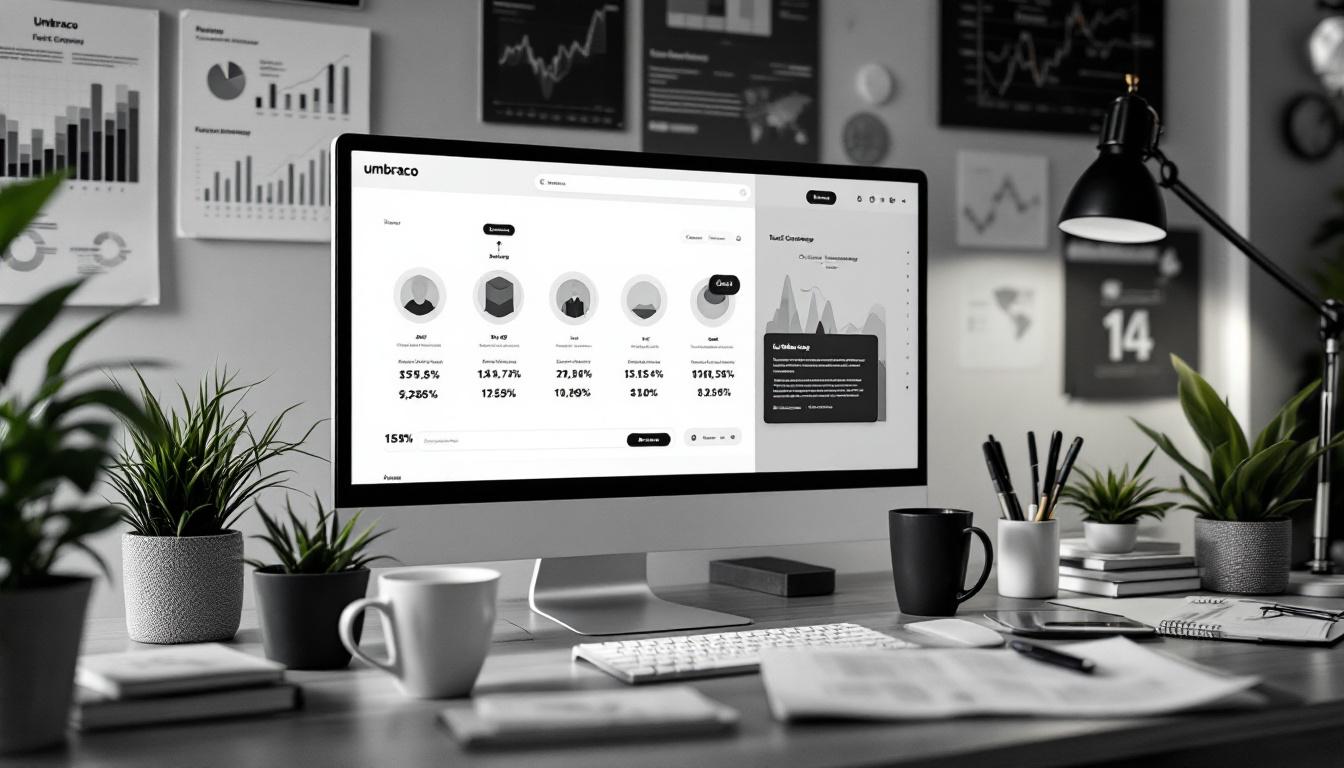
This flexibility is particularly valuable for tech companies that often engage users on multiple channels. Whether your audience accesses your content on a desktop, smartphone, or smart device, Umbraco ensures a consistent and optimised experience. Moreover, the platform supports integration with other essential tools such as customer relationship management (CRM) systems and marketing automation platforms, allowing your website to work harmoniously within your broader tech ecosystem.
Furthermore, Umbraco's user-friendly interface empowers content creators and marketers to manage their content without needing extensive technical knowledge. This is a significant advantage for tech companies that wish to maintain agility in their content strategies. With its intuitive back-office experience, team members can quickly create, edit, and publish content, enabling faster response times to market changes or emerging trends. The platform also boasts a vibrant community of developers and users who contribute to its continuous improvement, providing a wealth of resources, plugins, and support that can further enhance a company’s digital presence.
Additionally, Umbraco places a strong emphasis on security and performance, which are critical considerations for tech companies handling sensitive data or operating in competitive markets. With regular updates and a dedicated focus on safeguarding user information, businesses can trust that their websites are not only functional but also secure. This commitment to security, combined with robust performance optimisation features, ensures that tech companies can deliver high-quality user experiences without compromising on safety or speed, thus reinforcing their reputation in an increasingly digital world.
In the fast-paced tech world, website speed is not just a luxury, it’s a necessity. Visitors expect pages to load instantly, and delays can lead to lost customers and diminished credibility. Umbraco supports a range of optimisation techniques that help deliver a swift and smooth user experience.
Start by optimising images and media files to reduce their size without sacrificing quality. Implement lazy loading, which defers the loading of images and videos until they are needed, significantly improving initial page load times. Additionally, minifying CSS and JavaScript files reduces the amount of data transferred, while caching strategies ensure that frequently accessed content loads quickly.
These performance enhancements not only improve user satisfaction but also contribute positively to search engine rankings, as speed is a known factor in SEO algorithms. Moreover, employing a Content Delivery Network (CDN) can further enhance performance by distributing content across various geographical locations, ensuring that users receive data from the nearest server. This not only reduces latency but also alleviates the load on your primary server, allowing it to handle more traffic effectively.
Another crucial aspect to consider is the mobile optimisation of your website. With an increasing number of users accessing the internet via mobile devices, ensuring that your site is responsive and loads efficiently on smaller screens is paramount. Techniques such as responsive design, which adapts the layout to the user's device, and mobile-specific optimisations can significantly enhance the experience for mobile users. Furthermore, regularly testing your website’s performance using tools like Google PageSpeed Insights can provide invaluable insights into areas for improvement, allowing you to stay ahead in the competitive digital landscape.
Security is paramount for any technology company, especially when handling sensitive data or user information. Umbraco offers a range of built-in security features designed to protect your website from cyber threats.
Multi-factor authentication (MFA) adds an extra layer of protection beyond just passwords, making unauthorised access far more difficult. End-to-end encryption safeguards data transmissions, ensuring that information remains confidential between your server and users. Additionally, Umbraco supports compliance with global data protection regulations such as the General Data Protection Regulation (GDPR) and the California Consumer Privacy Act (CCPA), helping your business maintain legal and ethical standards.
Regular updates and security patches are vital. Umbraco’s active community and development team frequently release improvements, so keeping your CMS version current is a simple but effective way to stay protected.
Artificial intelligence (AI) is transforming how websites interact with users, and integrating AI-driven tools into your Umbraco site can significantly boost engagement. By analysing user behaviour, AI can personalise content delivery, showing visitors the most relevant information based on their interests and previous interactions.
Automation can also streamline routine tasks such as content scheduling, SEO optimisation, and analytics reporting. For example, AI-powered analytics tools can provide deep insights into how users navigate your site, which pages perform best, and where improvements are needed. This data-driven approach enables continuous refinement of your content strategy, ensuring your website remains aligned with user expectations and business goals.
Technology companies often experience rapid growth and evolving requirements. Your website must be able to scale effortlessly to accommodate increased traffic, new features, and expanding content.
Umbraco’s architecture is built with scalability in mind. It allows developers to add new functionalities without compromising performance or stability. Its modular design means you can integrate third-party services and APIs as your business needs change, whether that’s adding e-commerce capabilities, customer support chatbots, or advanced marketing tools.
Flexibility also extends to content management. Umbraco’s user-friendly interface features drag-and-drop functionality and reusable templates, enabling content editors to maintain consistency and efficiency without needing extensive technical knowledge.
A well-designed tech website must be intuitive and engaging. Umbraco provides a range of customisation options that allow you to create a visually appealing and easy-to-navigate site. Consistent branding, clear calls to action, and logical site structure all contribute to a positive user experience.
Accessibility is another critical consideration. Ensuring your website is usable by people with disabilities not only broadens your audience but also aligns with legal requirements and ethical standards. Features such as keyboard navigation, screen reader compatibility, and appropriate colour contrast should be integrated from the outset.
By prioritising UX and accessibility, you create a welcoming environment that encourages visitors to explore your content and engage with your brand.
Visibility on search engines is essential for attracting organic traffic. Umbraco includes built-in SEO tools that simplify the management of meta tags, URLs, and site structure. These features help ensure your content is optimised for search engines without requiring extensive manual input.
Effective SEO goes beyond technical settings. It involves crafting high-quality, relevant content that addresses your audience’s needs and queries. Regularly updating your website with fresh content, optimising page load speeds, and ensuring mobile responsiveness all contribute to better search rankings.
By combining Umbraco’s SEO capabilities with a thoughtful content strategy, tech companies can enhance their online presence and reach a wider audience.
Environmental responsibility is increasingly important across all industries, including technology. Sustainable web development focuses on reducing the digital carbon footprint by optimising performance and choosing eco-friendly hosting solutions.
Minimising the use of third-party scripts and ensuring efficient code help reduce server load and energy consumption. Umbraco supports these practices by providing resources and guidelines that encourage sustainable development.
Tech companies that embrace sustainability not only contribute positively to the environment but also appeal to a growing segment of eco-conscious users and clients.
One of Umbraco’s greatest strengths is its vibrant and supportive community. Engaging with other developers, designers, and users can provide invaluable insights, troubleshooting assistance, and inspiration.
The community regularly shares best practices, innovative solutions, and updates that can help you stay ahead in your website development journey. Participating in forums, attending webinars, and contributing to open-source projects can deepen your understanding of Umbraco and enhance your site’s capabilities.
Building relationships within this network ensures you have access to ongoing support and resources, which is especially beneficial for tech companies navigating complex digital landscapes.
Designing an Umbraco website for the tech industry involves more than just choosing a CMS. It requires a strategic approach that balances performance, security, scalability, and user experience. By leveraging Umbraco’s headless capabilities, optimising for speed, implementing strong security measures, and embracing AI-driven tools, tech companies can create websites that are not only visually appealing but also highly functional and future-proof.
Incorporating sustainable development practices and engaging with the Umbraco community further enhances the website’s value, ensuring it remains a powerful asset in a competitive digital environment. With these considerations in mind, technology firms can build a robust online presence that supports their growth and innovation for years to come.
Ready to elevate your tech company's digital presence with a cutting-edge Umbraco website? At Kickass Online, we specialise in bespoke web development and are well-versed in platforms like Umbraco, ensuring your site is optimised for performance, security, and user engagement. Our team offers comprehensive services including website maintenance, SEO, PPC, and innovative AI solutions to grow your business. Don't miss the opportunity to harness the full potential of your online presence. Book a discovery call with us today and let's create something kickass together!
Launching a startup in today’s digital landscape demands a strong online presence, and a well-designed Shopify website can be the cornerstone of your success. Shopify offers an accessible yet powerful platform to create an e-commerce store tailored to your brand and customer needs. However, designing a site that truly stands out and converts visitors into loyal customers requires more than just picking a theme and uploading products.
This guide will walk you through the essential steps and best practices for designing a Shopify website that not only looks professional but also delivers a seamless, engaging shopping experience. Whether you’re new to e-commerce or looking to refresh your existing store, these insights will help you build a site that supports your startup’s growth in 2025 and beyond.
The foundation of your Shopify website begins with selecting the right theme. Your theme sets the tone for your brand and impacts how visitors interact with your store. Shopify’s Theme Store offers a wide range of themes designed for different industries and business models, making it easier to find one that suits your startup’s unique needs.
For example, if your startup is in the food and beverage sector, themes like Taste provide bold typography and high-contrast colour palettes that highlight your products effectively. Alternatively, if you operate a local business or physical store, the Local theme offers features such as store selectors and dynamic maps, which help customers find your physical locations easily. Additionally, it’s worth exploring themes that incorporate social media integration, as this can enhance your marketing efforts by allowing customers to share their experiences directly from your site.
When choosing a theme, consider not only the aesthetics but also the functionality. Look for themes that are mobile-responsive, fast-loading, and compatible with Shopify’s latest features. Many themes come with customisation options that allow you to tweak colours, fonts, and layouts without needing to code, which is ideal for startups with limited technical resources. Furthermore, consider the importance of SEO-friendly themes that can help improve your store’s visibility on search engines, as this will be crucial for driving organic traffic to your site.
Pre-made themes are cost-effective and quick to implement. They come with built-in design elements and tested user interfaces, reducing the risk of usability issues. Additionally, Shopify themes are regularly updated to stay compatible with platform upgrades and security standards. Many pre-made themes also offer extensive documentation and support, which can be invaluable for new entrepreneurs who may not have experience in web design or development.
While pre-made themes suit most startups, some businesses may require a unique look or specialised functionality that off-the-shelf themes cannot provide. Custom theme development offers complete control over design and features, allowing you to tailor every aspect of your site to your brand identity and customer journey. However, this approach requires a larger investment of time and resources, so it’s best suited for startups with clear, specific needs and a budget to match. Additionally, working with a skilled developer can ensure that your custom theme is optimised for performance and user experience, which is essential for retaining customers and driving sales.
Artificial intelligence (AI) is transforming e-commerce by enabling highly personalised shopping experiences. Shopify’s AI suite, known as Shopify Magic, offers tools that automate various tasks, from generating product descriptions to creating dynamic discounts. This not only saves time but also enhances the customer experience by delivering content and offers tailored to individual preferences.
For startups, leveraging AI can be a game-changer. Personalised recommendations increase the likelihood of purchase by showing customers products they are more likely to be interested in. Automated product descriptions ensure consistency and save valuable time, especially when managing a large inventory.
Integrating AI-powered features also helps streamline operations, allowing your team to focus on strategic growth rather than repetitive tasks. As AI technology continues to evolve, startups that adopt these tools early will have a competitive edge in delivering relevant and engaging shopping experiences.
Moreover, the implementation of AI can significantly enhance customer insights. By analysing shopping behaviours and preferences, AI systems can identify trends that may not be immediately apparent to human analysts. This data-driven approach allows businesses to refine their marketing strategies, ensuring that promotional efforts resonate with their target audience. For instance, if a particular demographic shows a strong preference for eco-friendly products, businesses can tailor their inventory and marketing campaigns accordingly, thereby increasing customer satisfaction and loyalty.
Additionally, AI can facilitate improved customer service through chatbots and virtual assistants. These tools can handle a multitude of inquiries simultaneously, providing instant responses to customer questions and concerns. This not only improves the overall shopping experience but also frees up human resources to tackle more complex issues. As a result, businesses can maintain a high level of customer engagement while optimising their operational efficiency, ultimately leading to increased sales and customer retention.
With over half of all online shopping traffic coming from mobile devices, adopting a mobile-first design approach is no longer optional, it’s essential. A mobile-first strategy means designing your website primarily for mobile users and then scaling up for larger screens. This ensures that your site is optimised for smaller devices where space and loading speed are critical.
Key considerations for mobile-first design include touch-friendly navigation, simplified layouts, and fast-loading pages. Buttons and links should be large enough to tap easily, and images should be optimised to load quickly without sacrificing quality. A responsive theme will automatically adjust your site’s layout based on the visitor’s device, but it’s important to test your site on multiple devices to ensure a smooth experience.
Mobile optimisation also impacts your search engine rankings, as Google prioritises mobile-friendly sites in its search results. For startups aiming to attract organic traffic, a mobile-first design is a vital component of SEO strategy.
Website speed directly affects user experience, conversion rates, and search engine rankings. Slow-loading pages frustrate visitors and increase bounce rates, which can be detrimental for startups trying to build trust and retain customers.
To optimise performance, implement strategies such as lazy loading images, where images load only when they come into the user’s viewport, asset compression to reduce file sizes, and clean, efficient coding practices. Minimising the use of heavy scripts and plugins can also improve load times.
Shopify themes are generally well-optimised, but customisations and third-party apps can sometimes introduce bloat. Regularly audit your site’s performance using tools like Google PageSpeed Insights or GTmetrix, and address any issues promptly to maintain a fast and responsive store.
Social proof is a powerful tool for startups looking to establish credibility and encourage purchases. Customer reviews, testimonials, and user-generated content (UGC) provide authentic validation of your products and services.
Integrating review apps such as Stamped Product Reviews & UGC or REVIEWS.io allows you to showcase customer feedback directly on your product pages. Positive reviews can alleviate buyer hesitation and increase conversion rates, while displaying UGC like photos or videos helps create a sense of community around your brand.
Encouraging customers to leave reviews through follow-up emails or incentives can further enhance your store’s reputation. Remember, transparency is key, responding to negative reviews professionally also demonstrates your commitment to customer satisfaction.
One of Shopify’s greatest strengths is its vast app ecosystem, offering over 16,000 apps that extend your store’s functionality. Whether you need tools for marketing automation, inventory management, customer engagement, or sales channel integration, there’s likely an app that fits your needs.
For startups, apps can provide advanced features without the need for custom development, saving both time and money. Popular categories include email marketing, social media integration, live chat support, and upselling tools.
When selecting apps, prioritise those with good reviews, regular updates, and reliable support. Avoid installing too many apps, as this can slow down your site and complicate maintenance. Instead, choose a curated set that aligns with your business goals and enhances the customer experience.
A clean, intuitive design is essential for converting visitors into customers. Good UX and UI design ensure that your website is easy to navigate, visually appealing, and aligned with your brand identity.

Start with clear navigation menus that help users find products quickly. Use compelling calls-to-action (CTAs) such as “Add to Cart” or “Buy Now” that stand out but don’t overwhelm the page. Consistent use of colours, fonts, and imagery reinforces your brand and builds trust.
Consider the entire customer journey, from landing on the homepage to completing a purchase, and identify any friction points that could cause users to abandon their carts. Simplifying checkout processes, offering multiple payment options, and providing clear shipping information can significantly improve conversion rates.
Designing a Shopify website for your startup in 2025 means balancing aesthetics, functionality, and performance. By choosing the right theme, harnessing AI-powered personalisation, prioritising mobile-first design, and optimising for speed, you create a site that meets modern consumer expectations.
Incorporating social proof and leveraging Shopify’s app ecosystem further enhances your store’s capabilities, while a focus on UX and UI ensures visitors enjoy a seamless and engaging shopping experience. Whether you opt for a pre-made theme or custom development, these strategies will help your startup establish a strong online presence and build lasting customer relationships.
Remember, your website is often the first impression customers have of your brand. Investing time and effort into its design and functionality is an investment in your startup’s future success.
Ready to elevate your startup's online presence with a Shopify website that captivates and converts? At Kickass Online, we specialise in crafting bespoke web solutions that resonate with your brand and audience. Our expertise spans across platforms like Shopify, WordPress, Umbraco, Webflow, and custom development with Angular, MERN, or Laravel. Beyond development, we empower your business with website maintenance, SEO, PPC, and cutting-edge AI and automation strategies. Don't let your digital potential go untapped. Book a discovery call with us today and let's create an online experience that's truly kickass!
Creating a professional and effective WordPress website for a law firm in 2025 involves more than just aesthetics. It requires a strategic blend of user-friendly design, robust functionality, and targeted content that resonates with potential clients. This guide explores the essential steps and best practices to help law firms establish a compelling online presence that attracts and converts visitors into clients.
In today’s digital landscape, over 70% of online searches happen on mobile devices. For law firms, this means your website must be fully responsive and perform seamlessly on smartphones and tablets. A mobile-first design ensures that visitors can easily navigate your site, read content, and contact you without frustration. This approach not only enhances user experience but also positively influences your search engine rankings, as Google prioritises mobile-friendly websites in its algorithms. As such, investing in a mobile-first design is not merely an option but a necessity for law firms looking to stay competitive in an increasingly digital world.
Equally important is website speed. Research shows that sites loading within two seconds experience a bounce rate as low as 9%. Slow-loading pages risk losing potential clients before they even see your services. To achieve fast load times, optimise images, use efficient coding practices, and leverage browser caching. WordPress plugins like WP Rocket or Smush can help streamline this process. Additionally, consider implementing a Content Delivery Network (CDN) to distribute your content across multiple servers, reducing load times for users regardless of their geographical location. By ensuring that your website is both fast and mobile-friendly, you not only improve user satisfaction but also foster trust and credibility, essential components in the legal industry where clients seek reliable and accessible information.
Visitors to a law firm’s website often seek specific information quickly, whether it’s about practice areas, attorney profiles, or contact details. A clear and simple navigation menu is crucial. Limit your main menu to 5-7 core pages such as Home, About, Practice Areas, Blog, and Contact. Implementing a sticky navigation bar that remains visible as users scroll enhances usability, allowing easy access to important sections at all times. Additionally, incorporating a breadcrumb trail can further assist users in understanding their current location within the site, making it easier to backtrack or explore related content without feeling lost. This feature not only improves user experience but also aids in search engine optimisation by providing clear pathways for indexing.
Guiding visitors towards meaningful actions is vital for conversion. Prominent CTAs like “Free Consultation,” “Contact Us Today,” or “Available 24/7” should be strategically placed throughout the site. These buttons must stand out visually and be easy to find, encouraging potential clients to get in touch without hesitation. To enhance the effectiveness of these CTAs, consider employing contrasting colours and compelling language that resonates with the target audience. For instance, using phrases like “Start Your Journey with Us” can evoke a sense of partnership and support. Furthermore, A/B testing different CTA placements and wording can provide valuable insights into what drives engagement, allowing for continuous optimisation of the user experience.
Content is the backbone of any successful law firm website. Publishing blog posts that answer common legal questions, explainer videos, and detailed case studies not only builds credibility but also helps engage visitors. Educational content positions your firm as an authority, reassuring clients that you understand their concerns and can provide effective solutions. Furthermore, incorporating client testimonials and success stories can significantly enhance the relatability of your content. Potential clients are often more inclined to trust a firm that showcases real-life experiences and outcomes, as it demonstrates a proven track record in handling cases similar to theirs.
Additionally, diversifying your content formats can cater to different learning preferences among your audience. For instance, infographics summarising complex legal concepts can be particularly engaging for visual learners, while podcasts discussing recent legal developments can appeal to those who prefer auditory content. By creating a rich tapestry of content types, you not only keep your audience engaged but also increase the likelihood of sharing, which can further amplify your reach and visibility online.
For law firms, local clients are often the primary audience. Claiming and optimising your Google Business Profile is essential for appearing in local search results. Ensure your firm’s name, address, and phone number (NAP) are consistent across all online platforms. This consistency builds trust with search engines and improves your chances of ranking higher in local searches. Additionally, gathering and responding to client reviews on your Google Business Profile can significantly enhance your local SEO efforts. Positive reviews not only bolster your firm's reputation but also signal to search engines that your firm is a reputable choice for potential clients in your area.
Moreover, engaging with local community events and sponsoring local initiatives can further enhance your visibility. By participating in community outreach, your firm can build relationships and establish itself as a trusted member of the local community. This not only fosters goodwill but can also lead to valuable backlinks from local news outlets and community websites, which are crucial for improving your search engine rankings. Remember, the more integrated your firm is within the local landscape, the more likely you are to attract clients who value a law firm that understands their unique needs and circumstances.
Generic stock photos can make a website feel impersonal. Investing in professional photography that captures your team and office environment adds authenticity and warmth. Genuine images help humanise your firm, making visitors more comfortable and confident in reaching out.

Displaying real client testimonials and success stories is one of the most effective ways to build trust. Potential clients want to see evidence of positive outcomes and satisfied clients. Including detailed case studies that highlight your expertise and approach can further reassure visitors of your firm’s capabilities.
Protecting client data is paramount, especially in the legal sector. Implementing SSL certificates to enable HTTPS encryption not only safeguards sensitive information but also improves your website’s search engine ranking. Visitors are more likely to trust and engage with a site that clearly displays security credentials.
Making your website accessible to all users, including those with disabilities, is both a legal requirement and a moral imperative. Following the Americans with Disabilities Act (ADA) guidelines or equivalent UK standards ensures your site is usable by everyone. Features such as keyboard navigation, screen reader compatibility, and appropriate colour contrasts enhance accessibility.
Adding a live chat function allows visitors to get immediate answers to their questions, improving engagement and increasing the likelihood of conversion. Real-time assistance can capture leads instantly and provide a personal touch that sets your firm apart.
Serving diverse communities by offering content in multiple languages broadens your reach and demonstrates inclusivity. WordPress plugins like WPML or Polylang make it straightforward to create bilingual or multilingual websites, catering to clients who prefer to communicate in their native language.
Google’s algorithms prioritise websites that load quickly and provide a smooth user experience. Optimising images, minimising code, and leveraging browser caching all contribute to better Core Web Vitals scores. These technical improvements not only enhance user satisfaction but also boost your search rankings.
Using legal-specific schema markup helps search engines understand your website’s content more effectively. This can lead to rich snippets in search results, such as star ratings, attorney profiles, or office locations, which increase visibility and click-through rates. WordPress plugins like Schema Pro or Yoast SEO can assist in adding structured data without complex coding.
Beyond the website itself, maintaining a blog with FAQs, case studies, and videos helps keep your audience engaged and informed. Regularly updated content signals to search engines that your site is active and authoritative, improving organic traffic over time.
Targeted pay-per-click (PPC) campaigns and social media advertising can drive high-quality traffic to your website’s landing pages. These strategies complement organic efforts by reaching potential clients actively searching for legal services.
Capturing leads through gated content such as downloadable guides or newsletters allows you to nurture prospects with automated email campaigns. Consistent communication helps build relationships and keeps your firm top of mind when clients are ready to engage.
Designing a WordPress website for a law firm in 2025 demands a thoughtful approach that balances modern design, user experience, and strategic marketing. By focusing on mobile optimisation, intuitive navigation, compelling content, and robust security, law firms can create websites that not only attract visitors but also convert them into loyal clients. Incorporating interactive features and integrating digital marketing efforts further enhances your online presence, positioning your firm for success in a competitive legal market.
Ready to elevate your law firm's online presence with a state-of-the-art WordPress website? At Kickass Online, we specialise in bespoke web development, SEO, PPC, and harnessing AI and automation to grow your business. Our expertise spans platforms like WordPress, Umbraco, Shopify, Webflow, and custom development with Angular, MERN, or Laravel. Plus, we ensure your site stays at peak performance with our website maintenance services. Don't miss the opportunity to outshine the competition. Book a discovery call with us today and take the first step towards a compelling, client-converting website.
In today’s digital age, a law firm’s website is often the first point of contact for potential clients. Designing a custom website that not only looks professional but also functions seamlessly is essential to building trust and attracting new business. With evolving technology and user expectations in 2025, law firms must prioritise a strategic approach to website design that balances aesthetics, usability, and technical performance.
More than ever, legal consumers are searching for services on their smartphones. This shift means that a mobile-first design is no longer optional but a necessity. A responsive website that adapts fluidly to different screen sizes ensures visitors enjoy a consistent and user-friendly experience, whether they are browsing on a phone, tablet, or desktop. With the rise of mobile usage, it is essential for law firms to consider how their websites function on smaller screens. Features such as easily clickable buttons, simplified navigation menus, and legible text sizes can significantly enhance the user experience. Additionally, integrating touch-friendly elements can make it easier for users to interact with the site, ultimately leading to higher engagement and conversion rates.
Speed is equally critical. Research shows that top-performing law firm websites load in under one second, significantly reducing bounce rates. A slow website can frustrate visitors and cause them to seek services elsewhere. Optimising images, minimising code bloat, and leveraging modern hosting solutions are key tactics to achieve lightning-fast page loads. Furthermore, employing techniques such as lazy loading, where images and content are only loaded when they enter the viewport, can also contribute to improved performance. Regularly testing site speed using tools like Google PageSpeed Insights can help identify areas for improvement, ensuring that the website remains competitive in an increasingly digital landscape. In a world where attention spans are dwindling, a fast and efficient website can be the difference between gaining a new client and losing them to a competitor.
Visitors to a law firm’s website are often seeking specific information quickly, such as practice areas, contact details, or consultation options. Clear and intuitive navigation is vital to guide users effortlessly through the site. Implementing a sticky menu that remains visible as users scroll allows easy access to essential pages without having to scroll back up.

Visual hierarchy plays a significant role in user experience. By using size, colour, contrast, and strategic placement, important content such as calls to action or key practice areas can be highlighted. This helps visitors focus on the most relevant information without feeling overwhelmed.
Menus should be straightforward, avoiding clutter or overly complex dropdowns. Grouping related services under clear categories helps users find what they need quickly. For example, separate sections for “Family Law,” “Criminal Defence,” and “Corporate Law” make it easier for clients to navigate directly to their area of interest.
Furthermore, incorporating a search bar can significantly enhance user experience, particularly for those who may not know where to find specific information. A well-placed search function allows visitors to type in keywords and be directed to relevant pages, saving time and reducing frustration. Additionally, including breadcrumbs in the navigation can provide users with a clear path of their journey through the site, allowing them to backtrack easily if they wish to explore related topics or services.
Another important aspect is the responsiveness of the website. With an increasing number of users accessing sites via mobile devices, ensuring that navigation is equally intuitive on smaller screens is crucial. This may involve simplifying menus further or employing a hamburger icon that expands when clicked, thereby maintaining a clean aesthetic while still offering comprehensive access to information. By prioritising mobile-friendly design, law firms can cater to a broader audience, ensuring that potential clients can engage with their services regardless of the device they are using.
Content is the cornerstone of any effective law firm website. Beyond merely listing services, the site should offer educational and informative content that addresses common legal questions and concerns. Blog posts, detailed practice area pages, and case studies not only demonstrate expertise but also improve search engine rankings. Engaging content can take various forms, including infographics that simplify complex legal concepts or video explainers that provide a visual representation of legal processes. By diversifying content types, law firms can cater to different learning preferences, ensuring that information is accessible to a wider audience.
Local SEO is particularly important for law firms, as many clients search for legal services within their geographic area. Including city-specific keywords and maintaining an up-to-date Google Business Profile can significantly boost visibility in local search results. Additionally, gathering and showcasing client testimonials can enhance credibility and attract potential clients who value personal recommendations. Incorporating local landmarks or community events into content can also resonate with the audience, creating a sense of connection and relevance.
Publishing well-researched articles on legal topics relevant to your target audience helps position your firm as a trusted authority. For example, a family law firm might publish guides on divorce proceedings or child custody, while a criminal defence firm could write about rights during police questioning. This approach not only attracts visitors but also encourages them to engage with your firm. Furthermore, hosting webinars or live Q&A sessions on pertinent legal issues can foster a sense of community and trust, allowing potential clients to interact directly with legal professionals and gain insights into their situations.
Moreover, creating downloadable resources, such as checklists or e-books, can serve as valuable tools for clients navigating legal challenges. These resources not only provide practical assistance but also encourage visitors to share their contact information, allowing the firm to build a mailing list for future communications. By consistently offering high-quality, informative content, law firms can cultivate long-term relationships with clients, ensuring that they are the first choice when legal needs arise.
Trust is paramount in the legal profession. A website that looks polished and professional immediately reassures visitors. Clean design, high-quality images, and simple navigation all contribute to a positive first impression. The importance of a well-structured website cannot be overstated; it serves as the digital face of your firm, often being the first point of contact for potential clients. An intuitive layout not only enhances user experience but also encourages visitors to explore your services further, thereby increasing the likelihood of engagement.
In addition, featuring client testimonials and success stories can provide social proof that your firm delivers results. Authentic reviews help potential clients feel more confident in choosing your services. When prospective clients read about the positive experiences of others, they are more likely to envision a successful outcome for their own legal matters. Including detailed case studies that highlight the challenges faced and the resolutions achieved can further illustrate your firm's expertise and commitment to client satisfaction.
Maintaining consistency in colours, fonts, and imagery across the website reinforces your firm’s brand identity. This cohesion makes your site look more credible and memorable, which is crucial in a competitive market. A well-defined visual identity not only aids in brand recognition but also conveys professionalism and attention to detail, qualities that clients seek in legal representation. Furthermore, aligning your online presence with your offline branding, such as business cards and brochures, creates a seamless experience for clients, making it easier for them to associate your firm with reliability and excellence.
Moreover, the strategic use of visual elements can evoke specific emotions and responses from your audience. For instance, a colour palette that incorporates blues and greens may instil feelings of trust and calmness, while bold typography can convey strength and confidence. By thoughtfully curating these elements, your firm can effectively communicate its values and mission, establishing a deeper connection with potential clients. This level of intentionality in branding not only enhances the aesthetic appeal of your website but also solidifies your firm's position as a leader in the legal field.
Security is a non-negotiable aspect of any law firm website. Implementing SSL encryption through HTTPS protects sensitive client information and builds trust. Visitors are more likely to engage with a site that clearly demonstrates secure browsing.
Accessibility is another critical consideration. Following the Web Content Accessibility Guidelines (WCAG) ensures that your website is usable by everyone, including individuals with disabilities. This not only broadens your potential client base but also aligns with legal and ethical standards.
Beyond accessibility, your website should comply with relevant regulations concerning data protection and privacy. Clear privacy policies and cookie notices help maintain transparency and build client trust.
A well-designed website must do more than inform; it should encourage visitors to take action. Clear, visible calls-to-action (CTAs) such as “Book a Free Consultation” or “Contact Us Today” guide users towards engaging with your firm.
Incorporating live chat features can further enhance user engagement by providing immediate answers to queries. This real-time interaction can improve lead capture and client satisfaction.
CTAs should be strategically placed throughout the website, especially on high-traffic pages like the homepage and practice area sections. Using contrasting colours and concise, action-oriented language makes CTAs stand out and encourages clicks.
Technical SEO ensures that search engines can easily crawl and index your website, improving your visibility in search results. Optimising site speed through image compression, caching, and streamlined code is essential to retain visitors and reduce bounce rates.
Implementing structured data and schema markup specific to legal services can enhance search listings with rich snippets, such as star ratings or service details. These enhancements increase click-through rates by making your listing more attractive and informative.
Maintaining a high-performing website requires ongoing attention. Regularly updating content, checking for broken links, and monitoring site speed ensures your website remains effective and competitive.
Designing a custom website for a law firm in 2025 involves more than just aesthetics. It requires a thoughtful combination of mobile-first design, intuitive navigation, compelling content, and robust technical optimisation. By focusing on user experience, trust-building, security, and conversion strategies, law firms can create websites that not only attract visitors but also convert them into loyal clients.

Investing in these key areas will position your law firm strongly in the digital landscape, helping you stand out in a competitive market and meet the evolving expectations of today’s legal consumers.
Ready to elevate your law firm's online presence with a custom website that stands out in the digital landscape? At Kickass Online, we specialise in bespoke web development, leveraging platforms like WordPress, Umbraco, Shopify, Webflow, and custom solutions with Angular, MERN, or Laravel. Our expertise extends to website maintenance, SEO, PPC, and utilising AI and automation to grow your business. Book a discovery call with us today and let's discuss how we can create a website that not only attracts visitors but converts them into loyal clients.
In today’s digital era, having a professional and functional website is essential for law firms looking to attract and retain clients. A well-designed WordPress website not only establishes credibility but also enhances user experience and visibility online. This guide explores how to design an effective WordPress website for lawyers, highlighting key features, theme recommendations, and best practices to ensure your site stands out in a competitive market.
In 2025, the legal industry continues to embrace digital transformation, and a strong online presence is no longer optional, it’s a necessity. According to a recent Clio report, 57% of legal clients are more inclined to hire a lawyer who has a professional website. This statistic underscores the importance of investing in a polished, user-friendly site that reflects your firm’s expertise and trustworthiness.
Potential clients often research lawyers online before making contact. A website that looks outdated or lacks essential information can quickly deter visitors. Conversely, a modern, well-structured website builds confidence and positions your firm as a credible choice. Moreover, a website serves as a 24/7 marketing tool, allowing prospective clients to learn about your services, read testimonials, and easily get in touch at any time.
Furthermore, the design and functionality of your website can significantly influence client perception. A site that is easy to navigate, with clearly defined sections for different practice areas, can enhance user experience and keep visitors engaged. Additionally, incorporating elements such as a blog or resource centre can showcase your firm’s knowledge and thought leadership in the legal field. Regularly updated content not only informs potential clients but also improves your site’s search engine ranking, making it more likely that your firm will be discovered by those in need of legal assistance.
Another critical aspect of a professional website is its ability to foster trust through transparency. Including information about your team, their qualifications, and areas of expertise can help demystify the legal process for potential clients. This transparency can be further enhanced by featuring client success stories and case studies that highlight your firm’s achievements. In an era where consumers are increasingly sceptical, demonstrating your firm’s track record and commitment to client satisfaction can be the deciding factor for many individuals seeking legal representation.
With more people browsing on smartphones and tablets, your website must adapt seamlessly to different screen sizes. Responsive design improves user experience by ensuring content is easy to read and navigate, regardless of the device. It also benefits your search engine rankings, as Google prioritises mobile-friendly sites. Furthermore, a responsive design can significantly reduce bounce rates, as users are less likely to leave your site if it functions well on their device. This adaptability not only enhances user satisfaction but also fosters a sense of professionalism and modernity, which can be crucial in attracting potential clients.
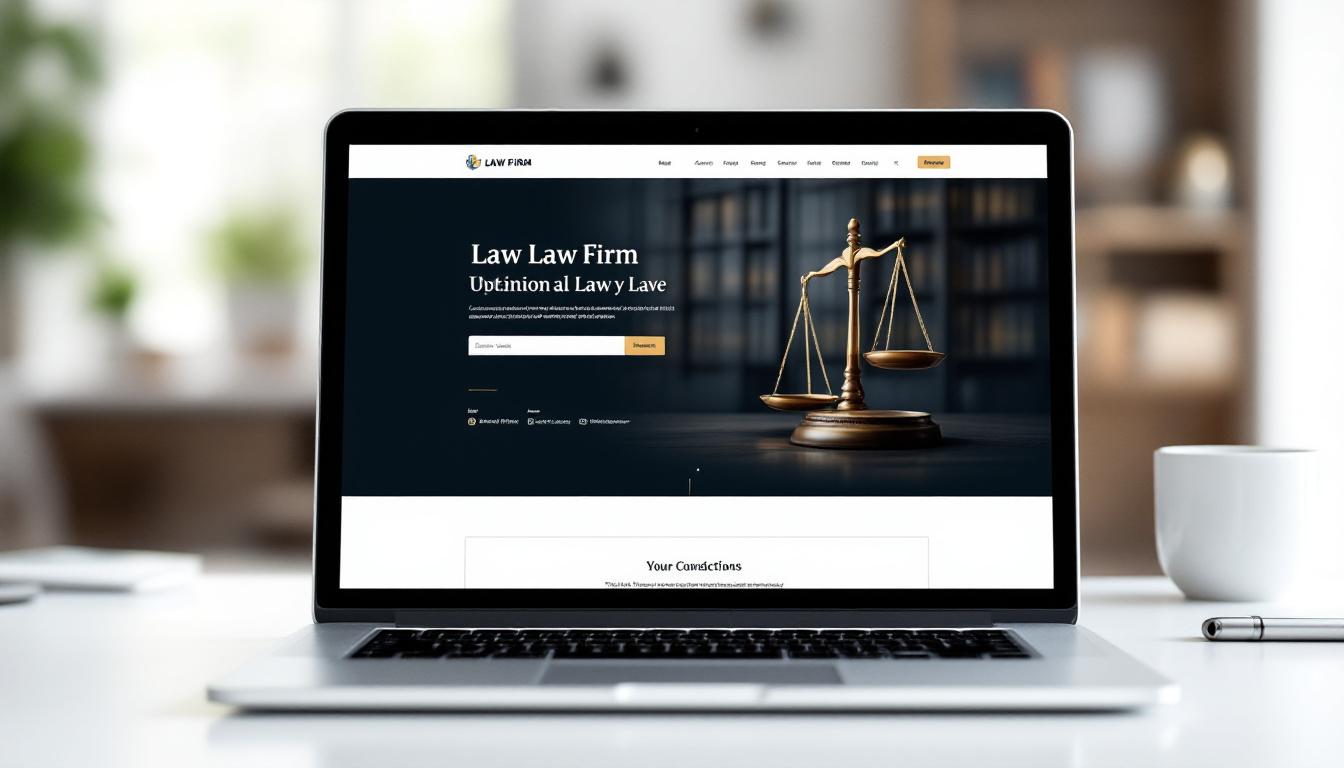
Search engine optimisation (SEO) is crucial for increasing your website’s visibility in search results. Implementing SEO best practices, such as optimising page titles, using relevant keywords, and creating quality content, helps potential clients find your firm when searching for legal services online. Additionally, local SEO strategies, like listing your firm on Google My Business, can drive more traffic from nearby clients. Regularly updating your content with blog posts that address current legal issues or common client questions can also enhance your SEO efforts, positioning your firm as a thought leader in the legal field and encouraging ongoing engagement with your audience.
Your website’s appearance should convey professionalism and trust. Clean layouts, consistent colour schemes, and easy-to-read fonts contribute to a positive impression. Avoid clutter and overly flashy elements that can distract visitors. Instead, focus on a design that highlights your firm’s strengths and makes navigation straightforward. Incorporating high-quality images and videos can also enhance the visual appeal of your site, providing a more engaging experience for users. A well-structured design not only reflects your firm’s values but also instils confidence in potential clients, making them more likely to choose your services over competitors.
Effective law firm websites include dedicated sections such as attorney profiles, practice areas, case studies, and client testimonials. These elements provide visitors with detailed information about your expertise and track record. Attorney profiles should include professional photos, biographies, and credentials to personalise your team and build trust. Additionally, including informative articles or FAQs related to your practice areas can further educate potential clients and demonstrate your firm’s knowledge and commitment to client service. This type of content not only aids in establishing authority but also encourages visitors to return to your site for valuable insights.
Facilitating easy communication is essential. User-friendly contact forms and online appointment scheduling tools allow visitors to reach out without hassle. Clear calls-to-action (CTAs) like “Request a Consultation” or “Contact Us Today” guide users toward taking the next step. Moreover, providing multiple contact options, such as phone numbers, email addresses, and even live chat features, can enhance accessibility and cater to different preferences. This level of convenience can significantly improve the likelihood of prospective clients reaching out, as they feel empowered to choose the method that suits them best.
Selecting a suitable WordPress theme is foundational to your website’s success. The right theme combines aesthetics, functionality, and ease of use, enabling you to build a site that meets your firm’s unique needs.
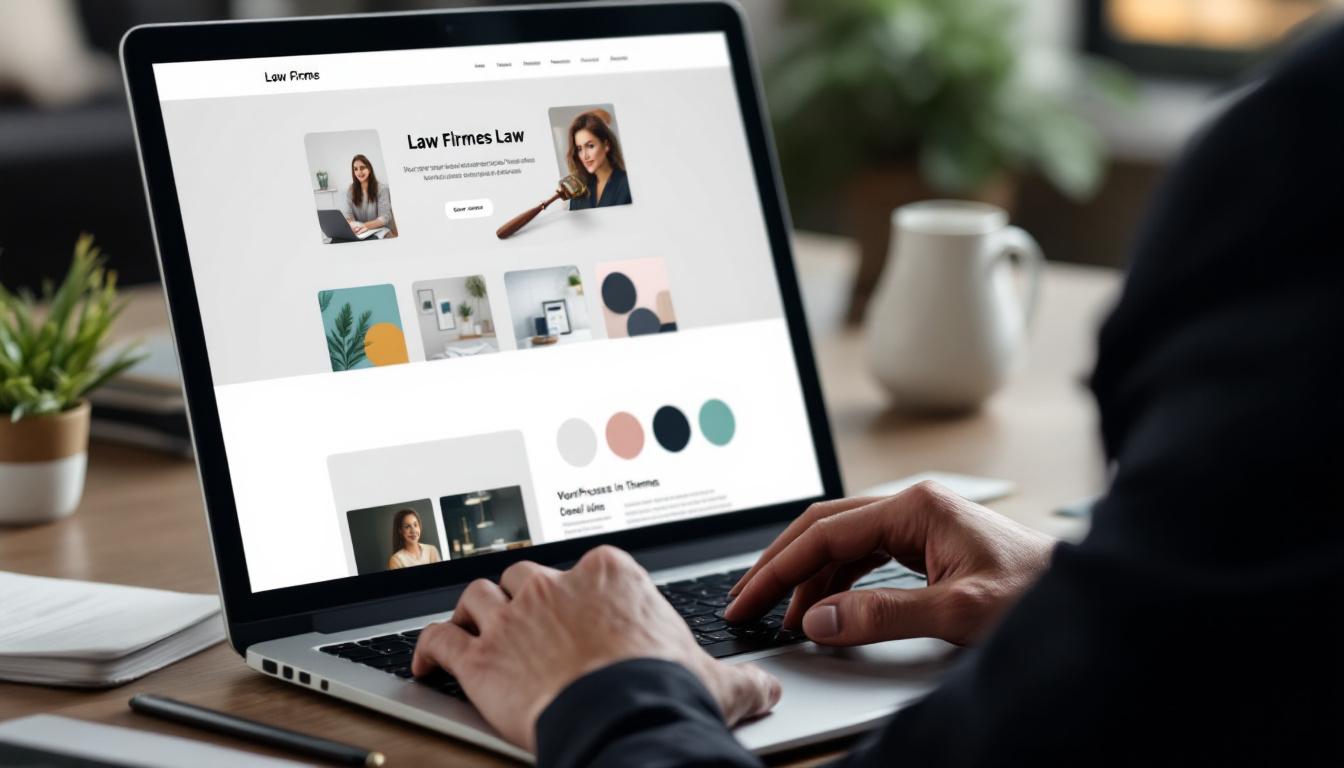
Divi is a versatile and popular theme featuring a visual drag-and-drop builder, which allows extensive customisation without any coding knowledge. It offers pre-built legal layouts tailored for law firms, making it easy to create a professional site quickly. Divi is also optimised for speed and SEO, ensuring your website performs well on search engines. Additionally, its extensive library of modules and design options allows you to create engaging content that can capture the attention of potential clients. The theme’s built-in split testing feature also enables you to experiment with different layouts and content to see what resonates best with your audience, further enhancing your site’s effectiveness.
Astra is known for its lightweight design and fast loading times, which enhance user experience and SEO. It includes a 'Lawyer Starter Template' with essential features such as service sections and attorney profiles. Astra is compatible with popular page builders like Elementor and Beaver Builder, giving you flexibility in designing your site. Furthermore, Astra’s customisation options are extensive, allowing you to adjust typography, colours, and layouts to align with your firm’s branding. Its compatibility with WooCommerce also opens up possibilities for law firms looking to offer legal resources or services for sale directly from their website, thus expanding their reach and client engagement.
Themis Law is a theme specifically designed for legal professionals. It offers over 20 different page layouts, including sections for practice areas, attorney profiles, and client testimonials. Its responsive design ensures your website looks great on all devices, making it an excellent choice for law firms prioritising a tailored look and feel. The theme also incorporates features such as appointment booking systems and contact forms, which are essential for facilitating client interactions. Moreover, Themis Law provides integration with various plugins that enhance functionality, such as legal case management tools, ensuring your website not only looks professional but also serves as a powerful tool for managing client relationships.
OceanWP is a multipurpose theme with deep WooCommerce integration, responsive design, and built-in SEO support. It provides pre-built demos tailored for professional services, which can speed up the setup process. This theme is ideal if you want a flexible yet powerful foundation for your law firm’s website. OceanWP also includes a variety of customisation options, such as multiple header styles and custom widgets, allowing you to create a unique online presence. Additionally, its compatibility with popular plugins like WPML makes it a suitable choice for law firms looking to cater to a multilingual clientele, thus broadening their potential client base.
Neve is a lightweight, AMP-optimised theme with demo templates suitable for legal services. It offers unlimited colour schemes, header and footer builders, and custom widgets, allowing you to create a modern and fast-performing website. Its focus on speed and mobile optimisation makes it a strong contender for law firms. Neve’s seamless integration with Gutenberg, WordPress’s block editor, allows for a more intuitive editing experience, enabling you to craft visually appealing pages with ease. Furthermore, its extensive library of starter sites can provide inspiration and a quick launchpad for your law firm’s online presence, ensuring that you can establish a professional website with minimal effort and maximum impact.
Clear and intuitive navigation helps visitors find information quickly, reducing frustration and bounce rates. Use straightforward menus with logical categories such as “About Us,” “Practice Areas,” “Our Team,” and “Contact.” Incorporate prominent calls-to-action on every page to guide visitors towards contacting your firm or booking a consultation.
Providing valuable content establishes your firm as an authority in the legal field. Consider including blog posts on relevant legal topics, case studies showcasing successful outcomes, and resources that educate potential clients. Well-written, informative content also improves SEO by targeting relevant keywords and encouraging visitors to spend more time on your site.
Protecting client data is paramount. Ensure your website uses an SSL certificate to encrypt information transmitted between users and your server. Regularly update WordPress, themes, and plugins to patch security vulnerabilities. Consider adding security plugins that monitor and block malicious activity to safeguard your site.
Law firm websites must comply with legal advertising regulations and accessibility standards. Ensure your site’s content adheres to advertising rules relevant to your jurisdiction to avoid penalties. Additionally, design your website to be accessible for users with disabilities by following Web Content Accessibility Guidelines (WCAG), such as providing alternative text for images and ensuring keyboard navigability.
Designing a WordPress website for a law firm in 2025 involves a careful balance of professionalism, functionality, and user engagement. By focusing on responsive design, SEO optimisation, and legal-specific features, your website can effectively attract and convert potential clients. Choosing the right theme, such as Divi, Astra, or Themis Law, sets a strong foundation for your site’s appearance and performance.

Incorporating best practices like user-friendly navigation, high-quality content, robust security, and compliance ensures your website not only looks great but also operates smoothly and ethically. Investing time and effort into your law firm’s online presence will pay dividends by enhancing credibility, expanding reach, and ultimately growing your client base.
Ready to elevate your law firm's online presence with a cutting-edge WordPress website? At Kickass Online, we specialise in bespoke web development and digital marketing solutions tailored to the legal industry. Our expertise spans WordPress, Umbraco, Shopify, Webflow, and custom development using Angular, MERN, or Laravel. Beyond building your site, we offer comprehensive website maintenance, SEO, PPC, and AI-driven automations to grow your business. Don't miss the opportunity to outshine your competition. Book a discovery call with us today and take the first step towards a website that truly represents your firm's excellence.
Creating a professional and effective online presence is essential for any law firm in today’s digital world. A well-designed website not only showcases your expertise but also builds trust with potential clients and makes it easy for them to engage with your services. Shopify, traditionally known for e-commerce, offers versatile tools and themes that can be tailored to meet the specific needs of law firms. This guide will walk you through the key steps and considerations when designing a Shopify website for a lawyer or law firm.
The foundation of any successful website is its design, and for a law firm, this means selecting a theme that reflects professionalism, reliability, and trustworthiness. Shopify offers a variety of themes, but not all are suitable for service-based businesses like law firms.
Themes such as Prestige and Symmetry are excellent choices because they provide clean, elegant layouts with plenty of space to highlight your services, attorney profiles, and client testimonials. These themes also allow customisation to align with your firm’s branding, colours, and style, ensuring a cohesive and polished look.
When browsing themes, prioritise those that offer a minimalist design with clear typography and intuitive navigation. Avoid overly flashy or cluttered templates, as these can detract from your firm’s credibility and make it harder for visitors to find the information they need.
Additionally, consider the importance of mobile responsiveness in your theme selection. With an increasing number of clients accessing legal services via their smartphones, a mobile-friendly design is crucial. A responsive theme ensures that your website looks and functions well on various devices, providing a seamless experience for all users. This not only enhances user satisfaction but also positively impacts your search engine rankings, making it easier for potential clients to discover your firm.
Furthermore, integrating features such as a blog or resource section can significantly enhance your website's value. By sharing insightful articles, legal updates, and case studies, you position your firm as a thought leader in the legal field. This not only builds trust with potential clients but also improves your site's SEO, driving more organic traffic to your website. Ultimately, a well-chosen theme combined with valuable content can elevate your firm’s online presence and foster long-lasting relationships with clients.
With nearly 60% of global website traffic coming from mobile devices, it is crucial that your Shopify website performs seamlessly on smartphones and tablets. A responsive design adapts to different screen sizes, providing an optimal user experience regardless of the device used.
Mobile responsiveness not only improves usability but also positively impacts your search engine rankings. Google favours websites that are mobile-friendly, which means your firm is more likely to appear higher in search results if your site is optimised for mobile users.
Most modern Shopify themes, including those recommended for law firms, come with built-in mobile responsiveness. However, it’s important to test your site on various devices and screen sizes to ensure all elements, such as menus, buttons, and forms, function correctly and look professional.
In addition to the technical aspects of mobile responsiveness, it is essential to consider the overall design and content layout. For instance, images should be optimised for faster loading times, and text should be legible without the need for zooming. Furthermore, incorporating touch-friendly elements, such as larger buttons and intuitive navigation, can significantly enhance the user experience. This attention to detail not only keeps visitors engaged but also encourages them to explore your services further, ultimately leading to higher conversion rates.
Moreover, as mobile usage continues to rise, it is wise to stay ahead of the curve by regularly updating your site’s design and functionality. Keeping abreast of the latest trends in mobile web design can provide insights into what users expect. For example, integrating features like voice search compatibility or chatbots can cater to the growing demand for quick and efficient customer service. By proactively enhancing your mobile site, you not only ensure a better experience for your visitors but also position your firm as a forward-thinking leader in the legal industry.
Website speed is a critical factor in retaining visitors and improving your law firm’s online visibility. Slow-loading pages frustrate users and increase bounce rates, which can harm your search engine rankings. Choosing a lightweight, well-coded theme like Dawn can help your site load quickly without sacrificing design quality.
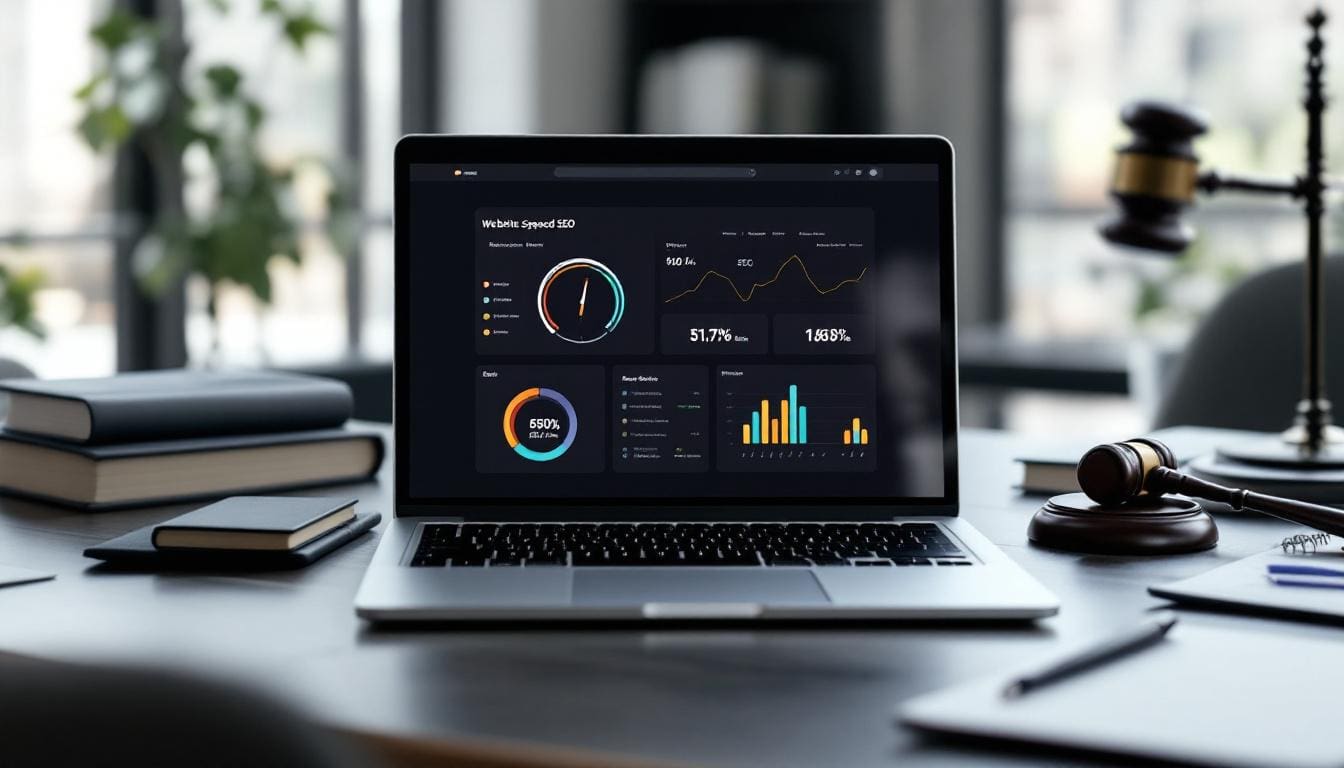
In addition to speed, search engine optimisation (SEO) is essential to ensure potential clients can find your website when searching for legal services. This involves optimising your content with relevant keywords, creating descriptive meta titles and descriptions, and structuring your pages logically.
Shopify’s platform supports SEO best practices, but it’s important to regularly update your content and monitor your site’s performance using tools like Google Search Console. Including a blog or news section where you share legal insights can also boost your SEO and position your firm as a knowledgeable authority.
Visitors to your law firm’s website should be able to find the information they need quickly and effortlessly. A well-organised navigation menu is key to this, guiding users to important sections such as services, attorney profiles, contact details, and client testimonials.
Each service your firm offers should have its own dedicated page with a clear, concise description of what clients can expect. Avoid legal jargon where possible and focus on how your services solve clients’ problems. This approach helps build trust and makes your expertise accessible to a wider audience.
Attorney profiles are another vital element. Including professional photos, biographies, qualifications, and areas of specialisation humanises your firm and reassures potential clients about the expertise behind your services.
Images play a powerful role in shaping visitors’ perceptions of your law firm. Professional, high-resolution photos of your team, office space, and community involvement can make your firm appear approachable and credible.
Be mindful of image placement and size to maintain a clean and organised layout. Avoid stock photos that look generic or overused, as these can undermine authenticity. Instead, invest in a professional photoshoot or use authentic images that reflect your firm’s culture and values.
One of the most effective ways to build credibility online is by showcasing client testimonials and case studies. Positive feedback from satisfied clients reassures prospective clients about the quality of your services and your firm’s track record.
Include a dedicated section on your homepage or a separate page for testimonials. Where possible, use full names and, with permission, photos to add authenticity. Case studies can provide more detailed examples of how your firm has successfully handled specific legal issues, demonstrating your expertise in action.
Accessibility is not just a legal requirement in many jurisdictions, it’s also a mark of professionalism and inclusivity. Your website should be usable by everyone, including people with disabilities who may rely on screen readers or keyboard navigation.
The Heritage Shopify theme is known for its built-in accessibility features, but regardless of the theme you choose, ensure that your site follows accessibility best practices. This includes using appropriate colour contrasts, adding alt text to images, and structuring content with headings and lists for easy navigation.
Regularly testing your website with accessibility tools can help identify and fix potential issues, ensuring your law firm is welcoming to all visitors.
Creating compelling and accurate content can be time-consuming, especially for busy legal professionals. Shopify’s AI Store Builder offers a helpful solution by generating content and layouts based on descriptive keywords.
This tool can assist in drafting service descriptions, attorney bios, and even blog posts, providing a strong starting point that you can then personalise to reflect your firm’s voice and expertise. Using AI tools can streamline the website creation process and help maintain consistency across your site.
Beyond presenting information, your website should facilitate communication and engagement with potential clients. Consider integrating features such as appointment scheduling tools, live chat support, or secure client portals.
Appointment scheduling allows clients to book consultations directly through your website, reducing administrative overhead and improving convenience. Live chat can provide immediate answers to common questions, enhancing user experience and potentially converting visitors into clients.
Client portals offer a secure space for ongoing communication and document sharing, which can be a significant value-add for your clients and set your firm apart from competitors.
A website is never truly finished. Regular updates are essential to keep your content accurate and relevant. This includes refreshing attorney profiles, updating service offerings, and ensuring contact information is current.
Frequent updates signal to visitors and search engines that your firm is active and attentive to client needs. Additionally, updating your blog or news section with recent legal developments or firm announcements can keep your audience engaged and informed.
Regular maintenance also involves checking for broken links, updating software and plugins, and ensuring your site remains secure against cyber threats.
Designing a Shopify website for a lawyer or law firm requires a thoughtful balance of professionalism, usability, and functionality. By choosing the right theme, ensuring mobile responsiveness, optimising for speed and SEO, and incorporating clear navigation and high-quality visuals, your website can effectively represent your firm’s expertise and values.
Adding client testimonials, maintaining accessibility standards, leveraging AI tools, and integrating essential client engagement features further enhance the user experience and build trust. Finally, regular updates and maintenance ensure your website remains a valuable asset in attracting and retaining clients.
With these considerations in mind, your Shopify website can become a powerful tool for growing your law firm’s online presence and connecting with clients in an increasingly digital world.
Ready to elevate your law firm's online presence with a professionally designed Shopify website? At Kickass Online, we specialise in bespoke web development, ensuring your site not only looks great but also performs exceptionally on platforms like Shopify. Our expertise extends to WordPress, Umbraco, Webflow, and custom development using Angular, MERN, or Laravel. Beyond development, we provide comprehensive website maintenance, SEO, PPC, and AI-driven automations to grow your business. Don't miss the opportunity to outshine your competition. Book a discovery call with us today and take the first step towards a dynamic and engaging online presence for your law firm.
In today’s digital age, a law firm’s website is often the first point of contact for potential clients. It’s essential that the site not only looks professional but also functions seamlessly to provide a positive user experience. Umbraco, a flexible and powerful content management system (CMS), is an excellent choice for law firms looking to build or refresh their online presence. This article explores how to design an effective Umbraco website tailored specifically for law firms, ensuring it meets both client expectations and business goals.
Umbraco is a .NET-based CMS known for its flexibility, scalability, and user-friendly interface. Unlike some other platforms, it allows law firms to manage content easily without requiring extensive technical knowledge. This means that marketing teams or administrators can update information, add new pages, or publish news without relying heavily on developers.
Moreover, Umbraco’s robust security features make it well-suited for handling sensitive client data, a critical consideration for legal practices. Its architecture supports integration with various third-party tools, such as customer relationship management (CRM) systems and appointment scheduling software, streamlining firm operations and enhancing client engagement.
In addition to its core functionalities, Umbraco offers a wealth of customisation options that can be tailored to reflect the unique branding of a law firm. This means that firms can create a distinctive online presence that resonates with their target audience, showcasing their expertise and specialisations effectively. The platform also supports responsive design, ensuring that the website is optimised for mobile devices, which is increasingly important in today’s digital landscape where clients often seek legal advice on-the-go.
Furthermore, Umbraco's active community and extensive documentation provide invaluable support for users, enabling law firms to leverage the platform to its fullest potential. With regular updates and a plethora of plugins available, firms can stay ahead of technological advancements and trends in the legal sector. This adaptability not only enhances the user experience but also ensures that the website remains compliant with the latest regulations and standards, safeguarding the firm’s reputation and client trust.
With over half of all web traffic coming from mobile devices, ensuring your website is responsive is no longer optional. A responsive design adapts to different screen sizes, whether it’s a smartphone, tablet, or desktop. This adaptability improves navigation and readability, making it easier for visitors to find the information they need.
Google also prioritises mobile-friendly websites in its search rankings, so a responsive design can boost your visibility online. For law firms, this means more potential clients finding your services when searching on their phones or tablets. Furthermore, a well-optimised mobile site can enhance user engagement, as clients are more likely to explore various sections of your site if it is easy to use on their devices. This not only increases the time spent on your site but also fosters a sense of professionalism and reliability, which are crucial in the legal industry.
Visitors to a law firm’s website often seek specific information quickly, such as practice areas, lawyer profiles, or contact details. An intuitive navigation structure helps users find what they need within three clicks, reducing frustration and encouraging them to stay longer.
Best practices include organising content hierarchically, using clear and concise menu labels, and limiting the number of menu items to avoid overwhelming users. Consistency in design, such as keeping navigation menus in the same place on every page, also helps users feel comfortable and confident while browsing. Additionally, incorporating a search bar can further enhance usability, allowing users to directly input queries and access information without navigating through multiple pages. This level of accessibility can significantly improve the overall user experience, making it more likely that visitors will return to your site in the future.
Beyond basic information, your website should include features that encourage visitors to get in touch or learn more about your services. Contact forms are a must, providing an easy way for potential clients to reach out without leaving the site.
Live chat functionality can offer real-time assistance, answering queries instantly and improving the chances of converting visitors into clients. An FAQ section addresses common questions upfront, saving time for both clients and staff. Additionally, online appointment scheduling tools allow clients to book consultations at their convenience, enhancing the user experience and streamlining your firm’s workflow. Including client testimonials and case studies can also be beneficial, as they provide social proof of your firm’s expertise and success. These features not only build trust but also demonstrate your commitment to client satisfaction, making potential clients more likely to choose your firm over competitors.
Law firms handle highly sensitive information, so website security is paramount. Umbraco’s foundation on the .NET framework offers strong security capabilities, including support for SSL certificates to encrypt data transmitted between users and the site.
Regular software updates and security patches help protect against vulnerabilities and cyber threats. Configuring secure user access controls ensures that only authorised personnel can manage sensitive content or client data. Prioritising these measures builds trust with clients, showing that your firm takes confidentiality seriously.
Moreover, implementing multi-factor authentication (MFA) adds an additional layer of security, significantly reducing the risk of unauthorised access. This is particularly crucial in the legal sector, where the stakes are high, and breaches can lead to severe repercussions, both legally and reputationally. Training staff on best security practices is equally important; even the most secure systems can be compromised if users are not vigilant. Regular workshops and updates on emerging threats can empower employees to recognise phishing attempts and other malicious activities.
In addition to these technical measures, it is essential for law firms to stay abreast of the latest regulatory requirements concerning data protection, such as the General Data Protection Regulation (GDPR) in Europe. Compliance with such regulations not only protects the firm from hefty fines but also enhances its credibility in the eyes of clients. Establishing a clear data retention policy and ensuring that all digital communications are securely archived can further safeguard against potential breaches, demonstrating a proactive approach to data management and client confidentiality.
As your law firm expands, your website should be able to grow with you. Umbraco’s flexible architecture allows you to add new practice areas, offices, or features without needing a complete redesign. This scalability is cost-effective and ensures your website remains a valuable asset over time.
For example, if you decide to launch a blog or resource centre to share legal insights, Umbraco makes it straightforward to integrate and manage this content. Similarly, expanding your team’s profiles or adding client testimonials can be done seamlessly, keeping your website fresh and engaging.
Moreover, the ability to adapt your website to changing market demands is crucial in the legal sector, where client needs and regulatory environments can shift rapidly. With Umbraco, you can easily implement new functionalities, such as online appointment scheduling or client portals, enhancing client interaction and satisfaction. This adaptability not only attracts new clients but also fosters loyalty among existing ones, as they appreciate the ease of accessing services and information.
In addition to functional enhancements, the design elements of your website can also evolve alongside your firm. Umbraco supports a variety of templates and themes, allowing you to refresh your site's appearance to reflect your firm's growing brand identity. Whether you wish to adopt a more modern aesthetic or align with the latest web design trends, Umbraco provides the tools necessary to keep your online presence vibrant and appealing, ensuring that your firm stands out in a competitive landscape.
A fast-loading website is crucial for retaining visitors and improving search engine rankings. Umbraco supports various caching techniques, such as output caching and fragment caching, which reduce server load and speed up page delivery. Optimising images and minimising HTTP requests further enhance performance.
On the SEO front, Umbraco provides tools to manage meta descriptions, URLs, and sitemaps effectively. Its clean codebase supports better indexing by search engines, helping your law firm appear higher in search results. Regularly updating content and using relevant keywords related to your practice areas will also boost your site’s visibility.
Integration capabilities are one of Umbraco’s strengths. Connecting your website with CRM systems can automate client data management, improving follow-ups and relationship building. Marketing automation tools integrated with your website can nurture leads through targeted campaigns and newsletters.

Other useful integrations include payment gateways for online fee deposits, analytics platforms to monitor visitor behaviour, and social media feeds to showcase your firm’s activity. These connections create a cohesive digital ecosystem that supports your firm’s operational and marketing goals.
Several prominent law firms have successfully implemented Umbraco to meet their complex needs. For instance, Dirkzwager, a major Dutch law firm, consolidated thousands of articles from numerous specialists into a single, easy-to-manage platform. This improved both content accessibility and internal management.
Similarly, Baker Tilly International, one of the world’s largest accountancy firms, unified its global web presence under Umbraco. This consistency enhanced user engagement and streamlined website performance across multiple regions.
These examples highlight Umbraco’s ability to handle large volumes of content and complex organisational structures, making it an excellent choice for law firms aiming for growth and professionalism.
Designing a law firm website with Umbraco combines the best of modern web design and powerful CMS capabilities. By focusing on responsive design, intuitive navigation, client engagement features, robust security, and scalability, your website can effectively serve your clients while supporting your firm’s growth.
Leveraging Umbraco’s integration options and performance optimisation tools further ensures your site remains competitive and user-friendly. Ultimately, a well-designed Umbraco website not only enhances your firm’s online presence but also builds trust and credibility with potential clients.
Ready to elevate your law firm's online presence with a sleek, secure, and scalable Umbraco website? At Kickass Online, we specialise in crafting bespoke web solutions that resonate with your brand and drive business growth. Our expertise spans WordPress, Umbraco, Shopify, Webflow, and custom development using Angular, MERN, or Laravel. Plus, we enhance your digital strategy with website maintenance, SEO, PPC, and cutting-edge AI and automation services. Don't miss the opportunity to transform your website into a powerful client engagement tool. Book a discovery call with us today and take the first step towards a standout online presence that sets your law firm apart.
Creating a Shopify website tailored specifically for tech products requires more than just listing gadgets and gizmos. In 2025, the expectations of online shoppers have evolved, with a strong emphasis on seamless user experience, cutting-edge technology, and trustworthy design. Whether you’re selling the latest smartwatches, home electronics, or innovative accessories, your Shopify store needs to reflect the sophistication of your products while remaining easy to navigate and engaging.
This guide explores key strategies to design a Shopify website for tech that not only looks modern but also converts visitors into loyal customers.
Mobile commerce continues to dominate the online shopping landscape. In fact, over half of all e-commerce sales now come from mobile devices, making it essential that your Shopify store is optimised for smartphones and tablets first. A mobile-first approach means designing your website with smaller screens in mind before scaling up for desktops.
This strategy ensures your store features responsive layouts that adapt fluidly to different screen sizes. Fast load times are crucial here; slow pages on mobile can frustrate users and increase bounce rates. Additionally, touch-friendly navigation, such as larger buttons and simplified menus, makes browsing effortless on handheld devices.
By focusing on mobile-first design, your tech store will provide a smooth shopping experience that meets the expectations of today’s consumers, who often shop on the go. Furthermore, incorporating features such as voice search and easy access to customer service can significantly enhance user engagement. With the rise of virtual assistants like Siri and Google Assistant, ensuring that your site is compatible with voice commands can streamline the shopping process, allowing users to find products quickly and efficiently without the hassle of typing on a small screen.
Moreover, it's vital to consider the integration of social media sharing options directly within your mobile layout. As consumers increasingly rely on social platforms for product recommendations and reviews, making it easy for them to share their favourite finds can drive traffic back to your store. This not only boosts visibility but also fosters a sense of community among your customers, encouraging them to interact with your brand and each other, ultimately leading to increased sales and customer loyalty.
Artificial intelligence is transforming how online stores engage with customers. For a tech-focused Shopify website, AI-powered personalisation can significantly boost sales and customer satisfaction.

Implementing AI tools allows your store to offer tailored product recommendations based on individual browsing habits and purchase history. This dynamic content keeps shoppers engaged and helps them discover products they might otherwise miss. By analysing user data, AI can not only suggest items that complement previous purchases but also predict future needs, creating a seamless shopping experience that feels bespoke to each customer.
Moreover, advanced search capabilities powered by AI, such as predictive search and natural language processing, make it easier for customers to find exactly what they want. For example, a visitor could type “wireless noise-cancelling headphones” and receive precise results instantly. Adaptive filters that update based on search terms further streamline the shopping process, saving time and reducing frustration. This level of sophistication in search functionality not only enhances user satisfaction but also encourages longer browsing sessions, as customers are more likely to explore additional products that align with their interests.
Chatbots integrated with AI can provide immediate assistance, answering common questions and guiding users through the purchase process. This 24/7 support improves the overall shopping experience and frees up your team to focus on more complex queries. Furthermore, these chatbots can learn from interactions over time, becoming increasingly adept at understanding customer preferences and providing relevant suggestions. This continuous improvement ensures that your customer support remains efficient and effective, adapting to the evolving needs of your clientele.
In addition to chatbots, AI can also analyse customer feedback and sentiment, allowing businesses to gain valuable insights into customer satisfaction and areas for improvement. By processing reviews and social media comments, AI tools can identify trends and common pain points, enabling businesses to make informed decisions about product offerings and service enhancements. This proactive approach not only helps in retaining existing customers but also attracts new ones, as a brand that listens and adapts to its audience is more likely to foster loyalty and trust.
Tech products often rely on their design and features to appeal to customers. High-resolution images and videos are essential to showcase these details effectively. Crisp visuals help build trust, allowing shoppers to examine products closely and appreciate their quality.
Interactive elements take this a step further. Features like 360-degree product views enable customers to explore gadgets from every angle, replicating the in-store experience online. Video demos can highlight key functionalities, making complex tech easier to understand.
These engaging visuals not only enhance user experience but also reduce uncertainty, which can lower return rates and increase conversions. Furthermore, incorporating augmented reality (AR) features can elevate the shopping experience even more. With AR, customers can visualise how a product might fit into their lives, whether it's seeing how a sleek new laptop would look on their desk or how a pair of headphones might fit into their daily routine. This immersive experience not only captivates potential buyers but also encourages them to make informed decisions.
Moreover, the use of infographics and comparison charts can further aid in the decision-making process. By presenting complex information in a visually appealing and easily digestible format, customers can quickly grasp the advantages and specifications of various products. This not only saves time but also empowers consumers, leading to a more satisfying shopping experience as they feel more knowledgeable about their choices.
Augmented Reality (AR) is becoming a powerful tool in e-commerce, especially for tech products. By allowing customers to visualise items in their own environment through their device’s camera, AR bridges the gap between digital and physical shopping.
For example, a customer considering a new smart speaker can see how it fits on their desk or shelf before buying. This immersive experience helps shoppers make informed decisions and boosts confidence in their purchase.
Incorporating AR into your Shopify store can set your tech brand apart and provide an innovative shopping journey that resonates with modern consumers.
Tech products often come with numerous specifications and options. To help customers navigate this complexity, advanced filtering and search features are indispensable.
Filters that allow sorting by brand, price, features, compatibility, and more empower shoppers to narrow down choices quickly. Coupled with AI-powered search that understands natural language queries, these tools make product discovery intuitive and efficient.
Such functionality not only improves customer satisfaction but also increases the likelihood of completing a purchase by reducing the time and effort needed to find the right product.
Trust is a critical factor in online shopping, particularly for tech products that often involve significant investment. Displaying customer reviews and testimonials prominently on product pages can reassure potential buyers about quality and performance.
Additionally, trust badges, such as secure payment icons, money-back guarantees, and recognised certifications, signal that your website is safe and reliable. These elements work together to reduce purchase anxiety and encourage conversions.
Remember, authentic social proof is more persuasive than generic claims. Encourage satisfied customers to leave detailed reviews and consider featuring user-generated content to further enhance credibility.
Social media is a powerful channel for reaching tech enthusiasts. Integrating social commerce features into your Shopify website can bridge the gap between social engagement and direct sales.
Embedding shoppable posts, live social feeds, or popups showcasing recent purchases or reviews taps into the influence of peer recommendations. This approach leverages the growing trend of social commerce, where users discover and buy products through social platforms.
By making it easy for visitors to interact with your social content and shop simultaneously, you create a more connected and engaging shopping experience.
Consumers are increasingly conscious of environmental impact, and this extends to their online shopping habits. Designing a sustainable Shopify website involves optimising for faster load times and lower energy consumption.
Simple steps such as compressing images, minimising code, and selecting green hosting providers contribute to a more eco-friendly website. Not only does this reduce your carbon footprint, but it also improves site speed, which benefits user experience and SEO.
Highlighting your commitment to sustainability can also enhance your brand’s reputation and appeal to environmentally minded customers.
To stay ahead in 2025, exploring emerging technologies like Progressive Web Apps (PWAs) and voice commerce is worthwhile.
PWAs combine the best of websites and mobile apps, offering fast load times, offline functionality, and push notifications without requiring users to download an app. This can increase engagement and retention by providing an app-like experience directly through the browser.
Voice commerce is gaining traction with the rise of smart speakers and voice assistants. Optimising your Shopify store for voice search involves using natural language keywords and structuring content to answer common voice queries. Integrating voice command features can make shopping hands-free and convenient, appealing to tech-savvy customers.
Designing a Shopify website for tech products in 2025 means embracing a blend of modern design principles, advanced technology, and user-centric features. By prioritising mobile-first design, leveraging AI for personalisation and search, and incorporating immersive visuals and AR, your store can offer an engaging and seamless shopping experience.
Adding trust signals, social commerce integration, and sustainable practices further strengthens your brand’s appeal. Finally, exploring innovations like PWAs and voice commerce ensures your store remains competitive in an ever-evolving digital landscape.
With these strategies, your Shopify tech store will not only showcase your products effectively but also build lasting relationships with customers, driving growth and success in the years ahead.
Ready to elevate your tech Shopify store with a cutting-edge design that drives sales and delights customers? Kickass Online specialises in creating bespoke web solutions that resonate with your brand and audience. With our expertise in platforms like Shopify and our knack for integrating the latest in AI, SEO, and automation, we're here to help your business thrive. Don't miss out on the opportunity to transform your online presence. Book a discovery call with us today and take the first step towards a stellar tech website that stands out in the digital landscape.
Creating a custom website for a tech company in 2025 demands more than just aesthetic appeal; it requires a thoughtful blend of cutting-edge technology, user-centric design, and performance optimisation. As the digital landscape evolves rapidly, tech companies must ensure their websites not only look modern but also deliver seamless experiences across devices and meet the expectations of a savvy audience.
In today’s world, over 60% of web traffic comes from mobile devices. This makes mobile-first design an absolute necessity rather than an option. Designing with mobile users in mind from the outset ensures that the website is intuitive, fast, and easy to navigate on smaller screens.
A mobile-first strategy involves prioritising touch-friendly interfaces, simplifying navigation menus, and optimising images and content to load quickly. Responsive design then adapts this layout fluidly to larger screens such as tablets and desktops, maintaining consistency and usability. This approach not only improves user retention but also enhances brand credibility, as users expect flawless performance regardless of the device they use.
Tech-savvy users tend to access websites on the go, often relying on smartphones or tablets. A site that loads slowly or feels clunky on mobile can quickly frustrate visitors, leading to higher bounce rates. Moreover, search engines like Google prioritise mobile-friendly websites in their rankings, making mobile optimisation a key factor for visibility.
Furthermore, the importance of mobile optimisation extends beyond just aesthetics and functionality; it also plays a crucial role in user engagement and conversion rates. For instance, studies have shown that users are more likely to complete a purchase or sign up for a service when the mobile experience is seamless and enjoyable. This means that tech companies must invest in understanding their audience's mobile behaviour, ensuring that every touchpoint is designed to facilitate a smooth user journey. With features like one-click purchasing and easy access to customer support, businesses can significantly enhance user satisfaction and loyalty.
Additionally, as mobile technology continues to evolve, incorporating features such as voice search and augmented reality can further enrich the user experience. These innovations not only cater to the growing expectations of consumers but also set brands apart in a competitive landscape. By embracing a mobile-first approach, tech companies can stay ahead of the curve, adapting to trends and harnessing the power of mobile technology to drive growth and engagement.
Dark mode has become more than just a trend; it’s now a standard feature expected by many users. Offering a dark mode option reduces eye strain, especially in low-light environments, and can extend battery life on mobile devices with OLED screens. This functionality is particularly beneficial for those who spend long hours on their devices, whether for work or leisure, as it allows for a more comfortable viewing experience without the harsh glare of bright screens.
From a design perspective, dark mode lends a sleek and contemporary look that resonates well with tech audiences. It also allows brands to showcase their creativity by experimenting with colour contrasts and highlights that stand out against dark backgrounds. This aesthetic not only enhances visual appeal but also creates a more immersive atmosphere, drawing users into the content in a way that bright modes often cannot achieve. As such, many brands are now rethinking their design strategies to incorporate this feature, ensuring they stay relevant in a competitive market.
When integrating dark mode, ensure that all elements, text, icons, buttons, remain clear and accessible. Avoid harsh contrasts that can cause discomfort, and test across different devices to maintain consistency. Providing users with the option to toggle between light and dark modes empowers them to personalise their experience. Furthermore, consider the psychological impact of colour choices in dark mode; subtle hues can evoke different emotions and reactions, which can enhance user engagement. For instance, a deep blue might convey calmness, while a vibrant green can inspire creativity, making it essential to choose colours that align with your brand's identity.
Additionally, it is crucial to gather user feedback during the implementation phase. Engaging with your audience can provide insights into their preferences and experiences, allowing for adjustments that cater to their needs. Incorporating user suggestions not only improves the functionality of dark mode but also fosters a sense of community and loyalty among users, as they feel their opinions are valued and considered in the development process. This collaborative approach can ultimately lead to a more successful and widely embraced feature, enhancing the overall user experience.
Artificial intelligence is revolutionising how websites interact with visitors. By analysing user behaviour in real-time, AI can deliver personalised content, product recommendations, and customised navigation paths. This level of personalisation increases user engagement and satisfaction, making visitors feel understood and valued.
For tech companies, integrating AI-driven tools can automate customer support through chatbots, tailor marketing messages, and streamline user journeys. This not only boosts conversion rates but also frees up resources to focus on innovation and growth.
Imagine a software company’s site that suggests tutorials based on a visitor’s previous interactions or an e-commerce platform offering product bundles tailored to browsing history. These subtle yet powerful personal touches can significantly improve the overall user experience.
Augmented Reality (AR) and Virtual Reality (VR) are transforming how users engage with digital content. Incorporating these technologies into a website can create immersive experiences that set a brand apart from competitors.
For instance, a tech company specialising in hardware could offer virtual product demonstrations, allowing users to explore features interactively. Similarly, VR-enabled virtual tours can showcase office spaces or event setups, adding a dynamic dimension to the website.
While AR and VR can captivate users, it’s important to implement these features without compromising site performance or accessibility. Providing clear instructions and fallback options for devices that don’t support AR/VR ensures all visitors can benefit from the website’s offerings.
Voice-activated devices are becoming increasingly popular, changing how people search for information online. Optimising a website for voice search involves adapting content to answer natural, conversational queries.
This means using clear, concise language and structuring content in a way that directly addresses common questions. For tech companies, this could translate into FAQs, how-to guides, and product descriptions that align with how users speak rather than type.
Voice search optimisation improves accessibility and can boost search engine rankings by catering to emerging user behaviours. It also enhances the overall user experience, making it easier for visitors to find relevant information quickly.
Environmental responsibility is increasingly important to consumers and businesses alike. Sustainable web design focuses on reducing a website’s energy consumption and carbon footprint through efficient coding, optimised images, and green hosting solutions.
Lightweight websites not only benefit the environment but also improve load times and performance. For tech companies, aligning with eco-conscious values can strengthen brand reputation and appeal to a growing segment of environmentally aware customers.
Use compressed images and minimise the use of heavy scripts. Choose hosting providers that use renewable energy and implement caching strategies to reduce server load. These steps contribute to a faster, greener website that meets modern expectations.
Speed is critical in web design. Studies show that if a website takes more than three seconds to load, the likelihood of users leaving increases by 32%. For tech companies, where users expect efficiency, slow load times can be particularly damaging.

Techniques such as Accelerated Mobile Pages (AMP), Progressive Web Apps (PWAs), and lazy loading images can dramatically improve performance. These technologies help deliver content quickly and smoothly, even on slower connections.
Optimise code by removing unnecessary elements, leverage browser caching, and use Content Delivery Networks (CDNs) to serve content closer to the user’s location. Regularly testing site speed and addressing bottlenecks ensures a consistently fast experience.
Typography plays a crucial role in defining a website’s personality. Moving away from traditional fonts to bold, oversized, and experimental typefaces can capture attention and reinforce brand identity.
For tech companies, this approach can communicate innovation and confidence. It’s important, however, to maintain readability and balance creative fonts with clean layouts to avoid overwhelming users.
Pair bold headings with simpler body text to create contrast. Use typography to guide users through the content hierarchy and highlight key messages. Testing across devices ensures that fonts render well everywhere.
Micro-interactions are subtle animations or feedback cues that respond to user actions, such as button clicks, form submissions, or hover effects. These small details make a website feel more interactive and refined.
Incorporating micro-interactions can improve usability by providing immediate feedback, reducing uncertainty, and delighting users with smooth transitions.
Animated loading indicators, button colour changes on hover, or confirmation messages after form submissions are simple yet effective micro-interactions. They enhance engagement without distracting from the main content.
Creating an accessible website is both an ethical responsibility and a business advantage. Ensuring that people of all abilities can use the site broadens the audience and complies with legal standards such as the Web Content Accessibility Guidelines (WCAG) 2.2.
Key accessibility features include screen reader compatibility, keyboard navigation, sufficient colour contrast, and clear, descriptive alt text for images.
Involve accessibility testing early and throughout development. Use tools to check compliance and gather feedback from users with disabilities. An accessible website demonstrates inclusivity and enhances usability for everyone.
Designing a custom website for a tech company in 2025 involves a strategic blend of mobile-first design, modern aesthetics like dark mode, and advanced technologies such as AI personalisation and AR/VR elements. Prioritising fast load times, sustainable practices, and accessibility ensures the site meets both user expectations and ethical standards.

Bold typography and micro-interactions add personality and polish, while voice search optimisation keeps the website aligned with emerging user behaviours. By integrating these elements thoughtfully, tech companies can create websites that are not only visually appealing but also highly functional, engaging, and ready to meet the challenges of the digital future.
Ready to elevate your tech company's online presence with a state-of-the-art website that embodies all the principles we've discussed? Kickass Online specialises in bespoke web development, from WordPress to custom Angular, MERN, or Laravel projects. We enhance your digital strategy with website maintenance, SEO, PPC, and AI-driven automations to grow your business. Don't miss the opportunity to stand out in the digital future. Book a discovery call with us today and let's create a website that's as kickass as your tech!
In today’s digital age, a solicitor’s website is often the first point of contact between the firm and potential clients. Designing a custom website that not only looks professional but also functions effectively is essential to building trust and attracting new business. This guide explores key principles and practical steps to create a solicitor website that is user-friendly, optimised for search engines, and tailored to meet the needs of legal clients.
More than 60% of visitors to legal websites now access them via mobile devices. This shift means that a solicitor’s website must be designed with mobile users in mind from the outset. A mobile-first approach ensures the site is fully responsive, adapting smoothly to different screen sizes, whether on a smartphone, tablet, or desktop.
Responsive design is not just about aesthetics; it directly influences user experience and search engine rankings. Google’s mobile-first indexing means that the mobile version of your site is considered the primary version when determining search rankings. A website that loads quickly and displays correctly on mobile devices will perform better in search results, helping your firm reach more potential clients.
To achieve a mobile-friendly website, focus on:
Investing in responsive design ensures visitors have a seamless experience regardless of how they access your site, reducing bounce rates and increasing engagement.
Moreover, incorporating mobile-first design principles can significantly enhance the overall functionality of your website. For instance, integrating features such as click-to-call buttons allows potential clients to reach your office effortlessly, fostering immediate communication. Additionally, utilising geolocation services can provide users with directions to your office or relevant local legal resources, further enriching their experience. As mobile technology continues to evolve, staying ahead of these trends will not only keep your website relevant but also position your firm as a forward-thinking leader in the legal sector.
Furthermore, it is essential to consider the diverse range of devices and operating systems that users may employ. Testing your website across various platforms, including iOS and Android, can help identify any inconsistencies in performance or design. This proactive approach ensures that all users, regardless of their device, receive a consistent and high-quality experience. By prioritising mobile-first and responsive design, your firm can effectively cater to the needs of a modern clientele, ultimately enhancing client satisfaction and retention.
Speed is a critical factor in website design. Research shows that over 40% of users will abandon a website if it takes longer than three seconds to load. For solicitors, where clients often seek urgent legal advice, a slow website can mean lost opportunities. In an increasingly digital world, where instant access to information is expected, the importance of a swift-loading website cannot be overstated. Clients in need of legal assistance are likely to be under stress, and a seamless online experience can significantly influence their decision to engage your services.
To enhance load times, consider the following:
By focusing on speed, your website will not only improve user satisfaction but also perform better in search engine rankings. Additionally, consider implementing a Content Delivery Network (CDN), which distributes your website's content across multiple servers worldwide. This can significantly reduce load times for users who are geographically distant from your main server. Furthermore, regularly testing your website's performance using tools like Google PageSpeed Insights or GTmetrix can help you identify bottlenecks and areas for improvement. Keeping your website's software and plugins up to date is also essential, as updates often include performance enhancements and security fixes that can contribute to a faster, more reliable user experience.
Visitors to a solicitor’s website are often seeking specific information quickly, whether it’s about a particular legal service or how to contact the firm. A clear, straightforward navigation system is essential to guide users efficiently.
Effective navigation features include:
Additionally, accessibility should be a priority. Ensuring the website meets WCAG standards, including keyboard navigation, alt text for images, and sufficient colour contrast, makes your site usable for all visitors, including those with disabilities. This inclusivity not only broadens your audience but also reflects well on your firm’s professionalism and care.
Content is the backbone of any successful website. For solicitors, well-crafted content establishes authority, builds trust, and improves search engine visibility. It’s important to create pages that clearly explain your practice areas, such as family law, conveyancing, or criminal defence, using language that is accessible to non-specialists.

Incorporate SEO best practices by:
Consistent, high-quality content not only attracts visitors but also encourages them to stay longer and engage with your firm.
Trust is paramount in legal services. Your website should convey professionalism and credibility at every turn. Displaying solicitor credentials, professional memberships, awards, and client testimonials helps reassure visitors of your expertise and reliability.

Consider including:
Consistent branding, including your logo, colour scheme, and typography, reinforces your firm’s identity and helps build recognition over time.
Security and privacy are critical considerations for any solicitor’s website. Clients entrust your firm with sensitive information, so protecting this data is essential.
Ensure your website includes:
Accessibility features, as mentioned earlier, also play a role here. A site that is easy to use for everyone, regardless of ability, not only meets legal standards but also enhances your reputation.
Interactive elements can significantly improve user engagement and conversion rates. Features such as live chat, legal calculators, and client intake forms provide immediate assistance and streamline communication.
For example, a live chat function allows visitors to ask basic questions in real time, while AI-driven chatbots can handle common inquiries outside office hours. More complex questions can be escalated to a human representative, ensuring clients feel supported throughout their journey.
Legal calculators, such as those estimating compensation or fees, offer practical tools that add value and encourage visitors to spend more time on your site.
Video is a powerful medium to connect with potential clients. Short clips introducing your solicitors, explaining legal processes, or addressing frequently asked questions can make your firm more approachable and trustworthy.
Videos also improve SEO by increasing the time visitors spend on your site and providing diverse content formats that search engines favour. Embedding videos on key pages, such as the homepage or practice area sections, can enhance engagement and help explain complex topics in an accessible way.
With the growing use of voice-activated devices, optimising your website for voice search is becoming increasingly important. This involves using natural language and conversational keywords that reflect how people speak when asking questions aloud.
For instance, instead of targeting the keyword “family law solicitor London,” consider phrases like “who is the best family law solicitor in London?” or “how do I find a solicitor for divorce in London?”
Personalisation further enhances user experience by tailoring content based on visitor behaviour. Offering related blog posts, customised contact forms, or suggested services based on previous interactions can guide users smoothly towards engagement.
Designing a custom website for a solicitor involves more than just creating an attractive online presence. It requires a thoughtful blend of mobile responsiveness, fast performance, intuitive navigation, compelling content, and trust-building elements. Security, accessibility, and interactive features further enhance the user experience, while video content and voice search optimisation keep your site relevant in a competitive digital landscape.

By focusing on these key aspects, solicitors can build websites that not only attract visitors but convert them into clients, supporting the growth and reputation of their practice in the digital age.
Ready to elevate your solicitor's website to the next level? At Kickass Online, we specialise in bespoke web development, SEO, PPC, and innovative AI solutions to grow your business. Our experienced team is adept with platforms like WordPress, Umbraco, Shopify, Webflow, Angular, MERN, and Laravel. We also provide ongoing website maintenance to ensure your site continues to perform at its best. Don't miss the opportunity to transform your online presence. Book a discovery call with us today and let's create a custom website that stands out in the digital landscape.
Designing a WordPress website for a Managed Service Provider (MSP) involves more than just picking a theme and adding content. It requires a strategic approach that highlights your services, builds trust with potential clients, and ensures the site performs well across devices and search engines. This guide will walk you through the essential steps and considerations to create a website that not only looks professional but also converts visitors into loyal customers.
Before diving into the design process, it’s crucial to understand what makes an MSP website unique. Unlike typical business sites, MSP websites must clearly communicate complex IT services in a simple, trustworthy manner. Prospective clients often seek reassurance about reliability, security, and expertise.
Therefore, your website should focus on:
With these priorities in mind, the design choices you make will better serve your audience and business goals.
In addition to these fundamental elements, it is vital to consider the user experience (UX) as a whole. A well-structured website not only attracts visitors but also encourages them to engage with your content. This can be achieved through intuitive layouts that guide users seamlessly from one section to another. For instance, incorporating interactive elements such as chatbots or live support can significantly enhance user satisfaction, allowing potential clients to receive immediate assistance while browsing your services.
Moreover, the importance of mobile optimisation cannot be overstated. With an increasing number of users accessing websites via smartphones and tablets, ensuring that your MSP site is fully responsive will cater to a broader audience. This means that all features, from service descriptions to contact forms, should function flawlessly across various devices. A mobile-friendly design not only improves user experience but also positively impacts your search engine rankings, making your services more discoverable to potential clients.
The theme you select lays the foundation for your website’s look, feel, and functionality. For MSPs, it’s important to choose a theme that balances professionalism with modern design trends while supporting technical requirements.
Responsiveness and Mobile-First Design: With more users browsing on mobile devices, your theme must adapt seamlessly to different screen sizes. A mobile-first approach ensures the website loads quickly and displays correctly on smartphones and tablets. This adaptability not only enhances user experience but also reflects positively on your brand's image, showcasing your commitment to accessibility and modern web standards.
Performance Optimisation: Fast loading times are critical, not only for user experience but also for search engine rankings. Look for themes optimised for speed and compatible with caching and image compression plugins. A well-optimised theme can significantly reduce bounce rates, as visitors are less likely to leave if the site loads swiftly. Additionally, consider the hosting environment, as a robust hosting plan can further enhance the performance of your chosen theme.
SEO-Friendly Structure: Themes built with clean code and schema markup help search engines understand your content better, boosting your visibility online. An SEO-friendly theme can make a substantial difference in how your site ranks for relevant keywords, driving organic traffic. Moreover, the integration of social media sharing buttons within the theme can amplify your reach, allowing visitors to share your content easily across various platforms.
Customisation Flexibility: MSPs often require tailored layouts to showcase services, team members, and case studies. Choose a theme that allows easy customisation without needing extensive coding skills. The ability to modify colours, fonts, and layouts through a user-friendly interface can empower you to create a unique brand identity that resonates with your target audience. Furthermore, consider themes that offer pre-built templates specifically designed for IT services, as these can save you valuable time during the setup process.
Plugin Compatibility: Ensure the theme supports essential plugins such as contact forms, SEO tools, security enhancements, and performance boosters. Compatibility with popular page builders like Elementor or WPBakery can also provide additional design flexibility, enabling you to create stunning pages with ease. Additionally, check for themes that offer built-in support for e-commerce functionalities if you plan to sell services or products directly through your website.
While free themes can be tempting, premium themes often offer better support, regular updates, and advanced features that can be crucial for business websites. Investing in a reputable premium theme can save time and provide a more polished user experience. Premium themes frequently come with dedicated customer support, which can be invaluable when you encounter technical issues or need assistance with customisation. Furthermore, many premium themes include a range of demo content, allowing you to set up your site quickly and efficiently, giving you a head start in establishing your online presence.
Performance optimisation is a vital factor in website design, especially for MSPs where visitors expect professionalism and efficiency. Google’s Core Web Vitals have made performance a ranking factor, so it’s not just about aesthetics but also about speed and stability.
Core Web Vitals focus on loading speed, interactivity, and visual stability. To meet these standards, consider the following:
Regularly test your site using tools like Google PageSpeed Insights or GTmetrix to identify and fix performance bottlenecks.
Mobile users now make up the majority of web traffic. A responsive design ensures your website looks and functions perfectly on any device. This includes readable text without zooming, easy navigation, and touch-friendly buttons.
Modern WordPress themes often prioritise mobile-first design, but always verify this during theme selection and testing.
Plugins extend WordPress’s capabilities, allowing MSP websites to include features that improve user experience and streamline business operations.
Choose plugins that are regularly updated and well-supported to maintain compatibility and security.
Visual storytelling is a powerful way to engage visitors and communicate your MSP’s value proposition. Incorporate elements that make your site inviting and informative.
High-quality images of your team, office, or technology can humanise your brand. Videos explaining your services or showcasing client testimonials add authenticity and clarity.
Interactive elements like sliders or service comparison tables help visitors understand options and benefits quickly.
Write content that is straightforward and jargon-free. Explain technical services in simple terms, focusing on how they solve client problems. Use headings and bullet points to improve readability.
Include testimonials, case studies, and client logos to demonstrate your track record. Certifications and industry partnerships further reinforce your credibility.
Security is paramount for MSP websites, given the sensitive nature of IT services. At the same time, your website should be able to grow alongside your business.
Opt for managed WordPress hosting providers that specialise in security and upkeep. They handle updates, backups, malware scans, and firewall protection, reducing your administrative burden and risk.
As your client base expands, your website traffic may increase. Select hosting plans that offer seamless scalability, allowing you to upgrade resources without downtime. Providers like WP Engine are known for supporting high-traffic WordPress sites efficiently.
Launching your MSP website is just the beginning. Continuous optimisation and maintenance ensure it remains effective and secure.
Implement on-page SEO techniques such as optimised meta titles, descriptions, and keyword-rich content. Use structured data to help search engines understand your site better. Regularly update your blog or news section with relevant articles to attract organic traffic.
Keep WordPress core, themes, and plugins updated to patch security vulnerabilities. Monitor site performance and user behaviour with tools like Google Analytics to identify areas for improvement.
Designing a WordPress website for an MSP requires a thoughtful blend of technical optimisation, user-friendly design, and trust-building content. By selecting the right theme, optimising performance, integrating essential plugins, and prioritising security, MSPs can create a compelling online presence that attracts and retains clients. Remember, your website is often the first impression potential customers have, make it count by investing in quality design and ongoing care.
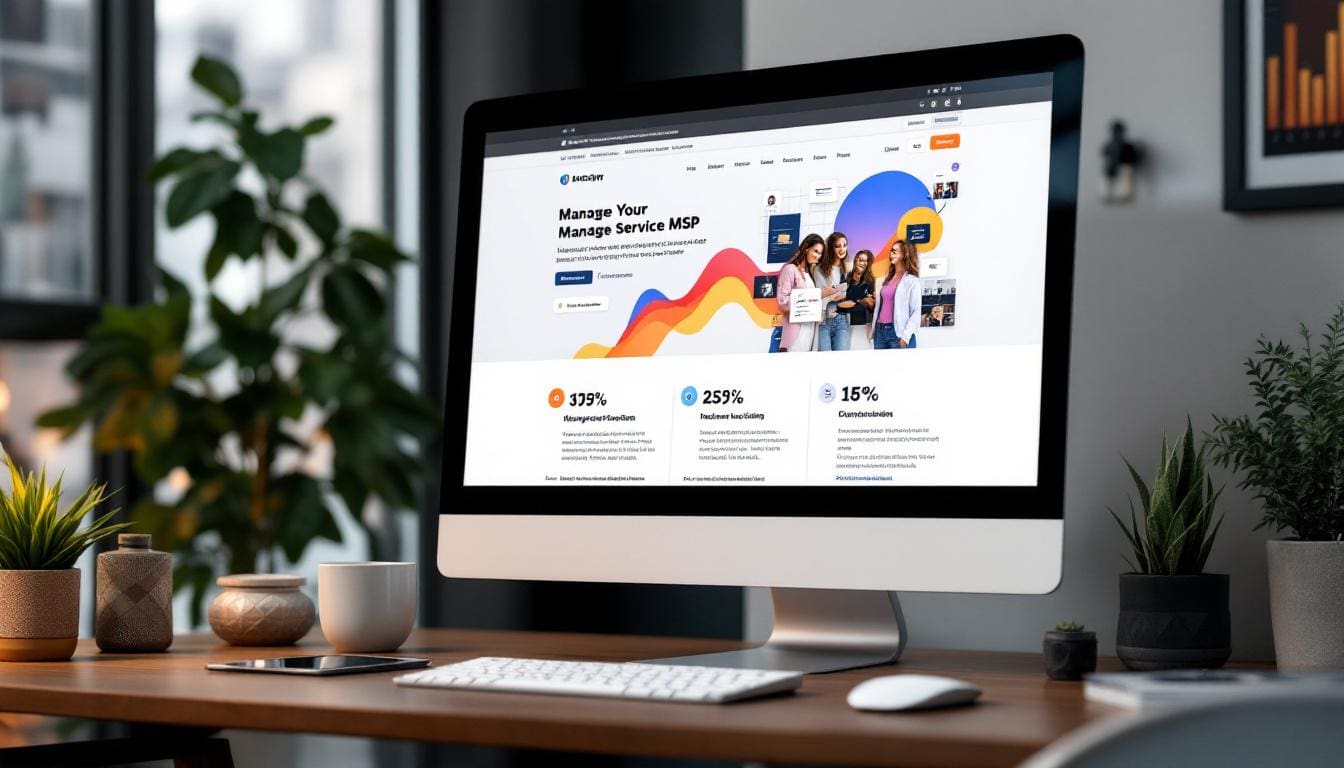
Ready to elevate your MSP's online presence with a professionally designed WordPress website that not only looks great but also drives results? Kickass Online specialises in bespoke web development and digital marketing solutions tailored to your unique needs. With expertise in platforms like WordPress, Umbraco, Shopify, Webflow, and custom development using Angular, MERN, or Laravel, we're equipped to bring your vision to life. Plus, our services extend to website maintenance, SEO, PPC, and AI-driven automations to help grow your business. Don't wait to make a powerful first impression—book a discovery call with us today and start your journey to a kickass online presence!