How to Design a Umbraco Website for Graphic Designers
Creating a website tailored specifically for graphic designers requires a delicate balance between aesthetics and functionality. Umbraco, a flexible and powerful content management system (CMS), offers a wealth of tools that can help designers showcase their portfolios, share their creative process, and engage visitors effectively. This article explores how to design a Umbraco website that not only highlights a graphic designer’s work but also provides an excellent user experience, optimised performance, and future-proof features.
Understanding the Needs of Graphic Designers
Graphic designers rely heavily on visual storytelling to communicate ideas and inspire audiences. Therefore, a website designed for them must prioritise visual impact without compromising usability. The site should serve as a digital portfolio, a platform for sharing insights, and a space where potential clients can easily navigate and connect.

Key considerations include the ability to display high-quality images, videos, and animations; seamless navigation; and fast loading times. Additionally, the website should reflect the designer’s unique style and personality, making it a true extension of their brand. This is particularly important in a competitive market where first impressions can significantly influence a potential client's decision-making process. A well-crafted website not only showcases the designer's work but also tells a story about their creative journey, philosophy, and the thought processes behind their projects.
Furthermore, integrating features such as client testimonials, case studies, and a blog can enhance the website's effectiveness. These elements provide social proof and establish credibility, allowing designers to connect more deeply with their audience. By sharing insights into their creative process or discussing industry trends, designers can position themselves as thought leaders, fostering trust and engagement with potential clients.
Why Umbraco is an Ideal Choice
Umbraco is an open-source CMS known for its flexibility and user-friendly interface. It allows designers and developers to build highly customised websites without being restricted by rigid templates. Its scalability means that as a designer’s portfolio grows or their business expands, the website can evolve accordingly. This adaptability is crucial in the fast-paced world of design, where trends and technologies are constantly changing. With Umbraco, designers can easily update their sites to reflect new projects or adapt to shifting market demands, ensuring their online presence remains fresh and relevant.
Moreover, Umbraco’s support for headless CMS capabilities enables content to be delivered across multiple channels, which is useful for designers who want to maintain a consistent presence beyond just their website. This feature allows for a more integrated approach to content management, enabling designers to push their work to social media platforms, mobile applications, and other digital environments seamlessly. Additionally, the robust community surrounding Umbraco provides a wealth of resources, plugins, and support, making it an ideal choice for designers looking to enhance their web development experience while focusing on their core creative work.
Incorporating AI-Powered Features for Smarter Content Management
Artificial intelligence is revolutionising how websites are designed and managed. For graphic designers using Umbraco, integrating AI-powered tools can streamline content creation and enhance user engagement.
One practical application is AI-based content assistance. This involves using AI to automatically categorise and tag portfolio items, making it easier for visitors to filter and find specific types of work. AI can also help optimise keywords and metadata, improving the website’s search engine visibility without requiring manual intervention.
Another exciting development is AI-powered personalisation. By analysing visitor behaviour and preferences, AI algorithms can tailor the content displayed to each user. For example, a returning visitor interested in branding projects might be shown related case studies or blog posts, increasing the likelihood of engagement and conversion.
Moreover, AI can enhance user experience through intelligent chatbots that provide real-time assistance. These chatbots can answer frequently asked questions, guide users through the site, and even assist in the booking of services or consultations. By employing natural language processing, these AI-driven assistants can understand and respond to user queries in a conversational manner, making interactions feel more personal and engaging.
Additionally, the integration of AI analytics tools can provide designers with invaluable insights into user behaviour. By tracking metrics such as time spent on pages, click-through rates, and interaction patterns, designers can make data-driven decisions to refine their content strategy. This not only helps in understanding what resonates with the audience but also allows for continuous improvement of the website’s overall performance, ensuring that it remains relevant and appealing in a constantly evolving digital landscape.
Prioritising Performance and Accessibility
Performance and accessibility are crucial for any website but especially for those showcasing visual work. Slow loading times can frustrate visitors and lead to lost opportunities, while inaccessible design excludes users with disabilities. In an increasingly digital world, where first impressions are often formed within seconds, ensuring that a website performs optimally and is accessible to all users is not just a best practice; it is a necessity.
Optimising Website Speed
A lean, modular build is essential for fast load times. This means organising content and code efficiently, minimising unnecessary scripts, and optimising images without sacrificing quality. Techniques such as lazy loading images and using modern file formats like WebP can significantly reduce page weight. Furthermore, employing asynchronous loading for JavaScript can prevent render-blocking, allowing the visible content to load first, which enhances the user experience.
Additionally, hosting the website on reliable, fast servers and employing content delivery networks (CDNs) ensures that visitors from different locations experience quick loading times. Regularly monitoring site performance through tools like Google PageSpeed Insights can provide valuable insights into areas for improvement, ensuring that the website remains competitive in an ever-evolving digital landscape. By prioritising speed, not only do you enhance user satisfaction, but you also improve search engine rankings, as search engines increasingly favour fast-loading sites.
Ensuring Accessibility for All Users
Accessibility should be embedded from the start. Using semantic HTML tags ensures that screen readers can interpret the content correctly. Colour contrast must be sufficient to aid users with visual impairments, and keyboard navigation should be fully supported for those who cannot use a mouse. Furthermore, providing alternative text for images and captions for videos is essential, as it allows users with disabilities to engage with visual content meaningfully.
Following established guidelines such as the Web Content Accessibility Guidelines (WCAG) helps create an inclusive website that welcomes all visitors, enhancing both usability and reputation. Regular accessibility audits, involving real users with disabilities, can uncover hidden barriers that automated tools might miss. By fostering an inclusive environment, businesses not only comply with legal requirements but also tap into a broader audience, ultimately driving engagement and loyalty. The commitment to accessibility reflects a brand's values and can significantly enhance its image in a socially conscious market.
Embracing Sustainable Web Design Practices
With growing awareness of environmental impact, sustainable web design is becoming an important consideration. Websites that consume less energy not only help reduce carbon footprints but also offer better user experiences through faster performance.
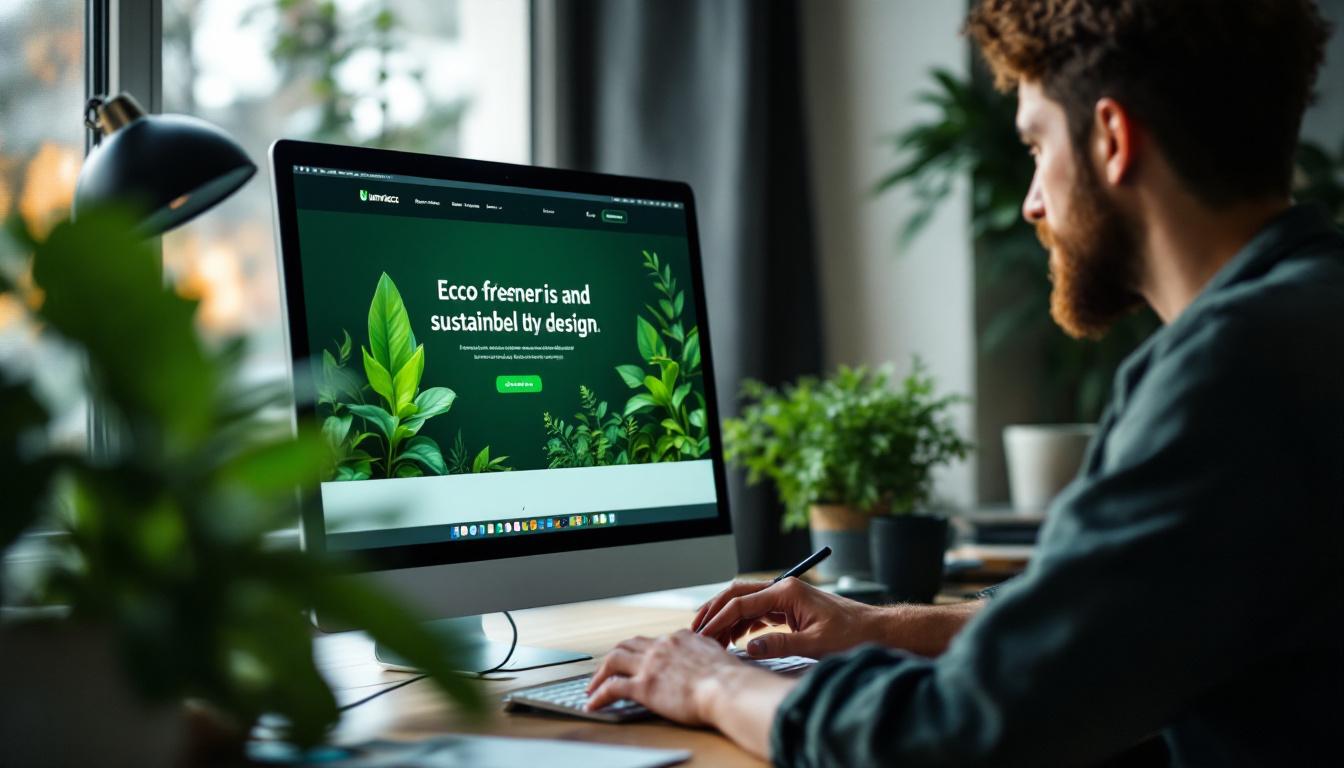
Optimising resource usage is a key strategy. This includes bundling assets like CSS and JavaScript files to reduce server requests, compressing images, and limiting the use of heavy animations or videos unless necessary. Choosing eco-friendly hosting providers that use renewable energy further supports sustainability goals.
For graphic designers, sustainable design aligns well with the ethos of thoughtful creativity and responsible practice, making it a compelling feature to highlight on their websites.
Moreover, the choice of colour palettes can also play a significant role in sustainable web design. Darker themes, for instance, can save energy on OLED screens, as they require less power to display darker pixels. Additionally, using a minimalist design approach not only enhances the aesthetic appeal but also reduces the amount of data transferred, leading to lower energy consumption. By prioritising simplicity and clarity, designers can create visually striking websites that are both user-friendly and environmentally conscious.
Furthermore, incorporating accessibility features into sustainable web design is essential. By ensuring that websites are usable for individuals with disabilities, designers can broaden their audience reach while adhering to ethical standards. This practice not only fosters inclusivity but also enhances the overall user experience, as accessible designs often lead to more intuitive navigation and clearer content presentation. Thus, sustainable web design is not merely about reducing energy consumption; it encompasses a holistic approach that values both the environment and the diverse needs of users.
Leveraging Umbraco’s Advanced Features
Umbraco’s evolving capabilities provide a strong foundation for building sophisticated websites that meet modern demands.
Headless CMS for Flexibility
Using Umbraco as a headless CMS means content is stored centrally but can be delivered to various platforms such as mobile apps, digital displays, or social media feeds. This flexibility allows graphic designers to maintain a consistent portfolio across multiple channels without duplicating effort.
Multi-Site Management
For designers managing multiple brands or projects, Umbraco’s multi-site management features allow the administration of several websites from a single instance. This streamlines updates, ensures consistent branding, and saves time.
Staying Current with Design Trends
Design trends evolve rapidly, and keeping a website visually fresh is vital for attracting and retaining visitors. Some trends particularly suited to graphic designers include:

Minimalistic and Dark Mode Designs
Minimalism emphasises simplicity and clarity, using ample whitespace and clean layouts to let the work shine. Dark mode options are increasingly popular, reducing eye strain and adding a modern, sleek feel.
Gamification and Microinteractions
Subtle animations and interactive elements can make browsing a portfolio more engaging. For example, hover effects on images or animated progress bars during page loading add personality without overwhelming the user.
Conclusion
Designing a Umbraco website specifically for graphic designers involves much more than just showcasing images. It requires a thoughtful approach that blends visual appeal with performance, accessibility, sustainability, and cutting-edge technology. By leveraging Umbraco’s advanced features and integrating AI-powered tools, designers can create websites that are not only beautiful but also smart and efficient.
Keeping up with current design trends ensures the website remains relevant and engaging, while sustainable practices demonstrate a commitment to responsible design. Ultimately, a well-crafted Umbraco website becomes a powerful tool for graphic designers to present their work, connect with clients, and grow their creative business.
Ready to elevate your graphic design portfolio with a custom Umbraco website that captivates and converts? At Kickass Online, we specialize in bespoke web development, offering tailored solutions across platforms like Umbraco, WordPress, Shopify, Webflow, and more. Our expertise extends to Angular, MERN, and Laravel for those seeking custom work. Beyond development, we empower your online presence with website maintenance, SEO, PPC, and innovative AI automations. Don't miss the opportunity to grow your creative business. Book a discovery call with us today and let's create a website that's as kickass as your designs!