
How to Design a Custom Website for SaaS
Designing a website for a Software as a Service (SaaS) company in 2025 is more than just creating an online presence—it’s about crafting an experience that resonates with users, drives engagement, and converts visitors into loyal customers. With evolving technology and user expectations, SaaS websites must balance aesthetics, functionality, and performance to stand out in a competitive market.
Understanding the Unique Needs of SaaS Websites
SaaS platforms typically offer complex services that users need to understand quickly and use efficiently. Unlike traditional websites, SaaS sites must communicate the value of a digital product while facilitating user onboarding, subscription management, and ongoing interaction.
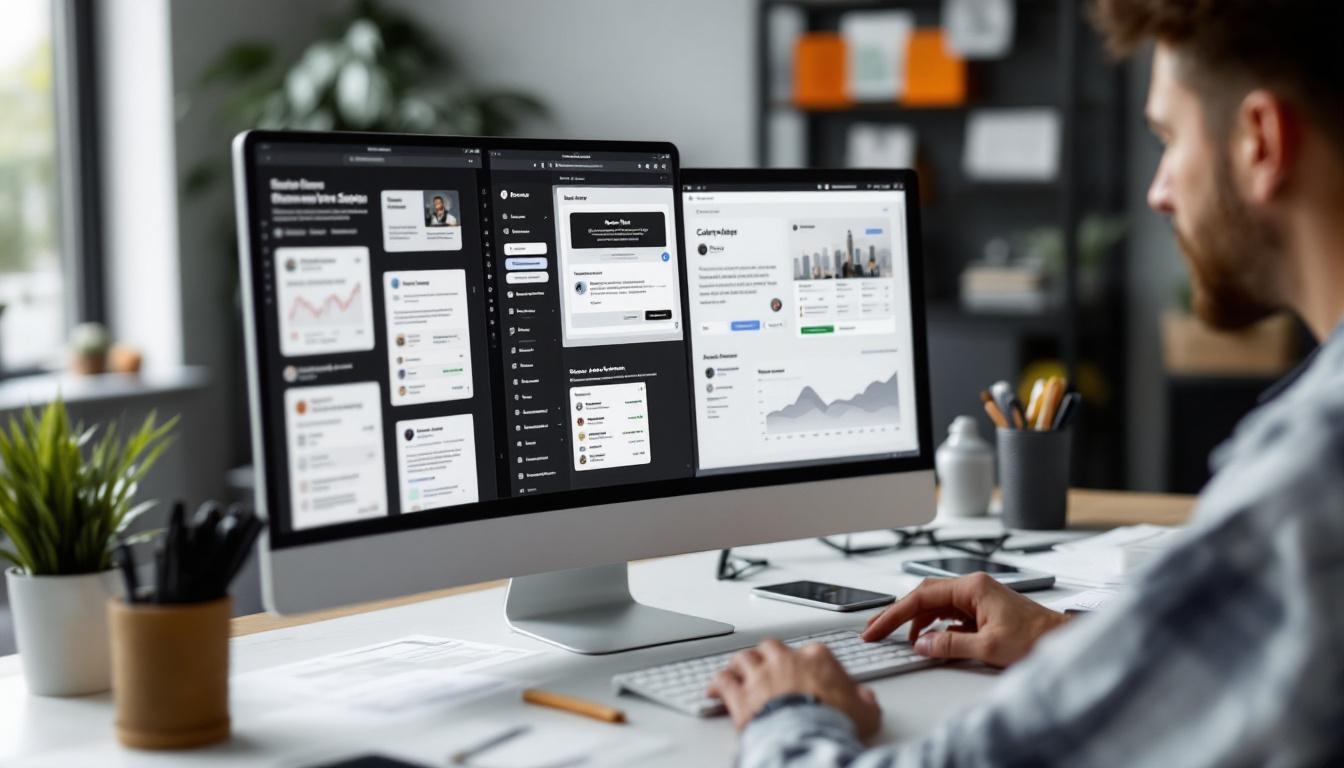
This means the design must be intuitive, informative, and fast, all while maintaining a professional and trustworthy appearance. The website is often the first point of contact potential customers have with the service, so first impressions count.
Moreover, the content on a SaaS website should be tailored to cater to a diverse audience, ranging from tech-savvy users to those who may be less familiar with digital tools. This necessitates the use of clear language, engaging visuals, and interactive elements that guide users through the features and benefits of the service. Educational resources, such as tutorials, webinars, and FAQs, can enhance user understanding and confidence, ultimately driving higher conversion rates.
Additionally, incorporating user feedback into the design and functionality of the website can significantly improve the overall user experience. Regularly updating the site based on analytics and user interactions helps to identify pain points and areas for enhancement. By fostering an ongoing dialogue with users, SaaS companies can ensure their websites evolve alongside their services, remaining relevant and effective in meeting the needs of their clientele.
Prioritising Mobile-First and Responsive Design
With over 62% of global website visits coming from mobile devices as of late 2024, adopting a mobile-first approach is essential. This means designing the website primarily for mobile users before scaling up to larger screens. Mobile-first design ensures that the site is not only accessible but also optimised for smaller screens, touch navigation, and varying network speeds. By focusing on mobile users first, designers can strip away unnecessary elements, creating a streamlined experience that prioritises speed and usability. This approach often leads to a more intuitive interface, as designers are compelled to think critically about what features are truly essential for users on the go.

Responsive design complements this by adapting the layout and content fluidly across devices—from smartphones to tablets and desktops. Google’s mobile-first indexing also means that mobile-friendly sites rank better in search results, making this approach critical for both user experience and SEO. Furthermore, responsive design not only enhances accessibility but also ensures that content remains consistent and visually appealing, regardless of the device being used. This adaptability is particularly important in a world where users frequently switch between devices throughout their day, whether they are browsing on a train, at work, or at home. As a result, a well-executed responsive design can significantly improve user engagement and retention, fostering a more loyal audience that appreciates the seamless experience provided across all platforms.
Embracing Minimalism for Clarity and Speed
Minimalist design is a hallmark of modern SaaS websites. By focusing on clean layouts, bold typography, and generous white space, designers can reduce cognitive load and help users focus on key messages and calls to action. This simplicity also contributes to faster loading times, which is crucial since studies show that websites loading in under three seconds retain users far better. In an age where attention spans are dwindling, the ability to convey information quickly and effectively is paramount. A well-executed minimalist design not only enhances user experience but also encourages engagement, as visitors are more likely to explore a site that feels uncluttered and intuitive.
Functionality should never be sacrificed for style, but minimalist design naturally supports usability by removing distractions and streamlining navigation. This approach also conveys professionalism and modernity, which are important for building trust with potential customers. Moreover, the principles of minimalism extend beyond just aesthetics; they can influence the overall user journey. For instance, a simplified onboarding process can significantly improve user retention rates, as new users are less likely to feel overwhelmed by excessive options or convoluted pathways. By guiding users seamlessly from one step to the next, companies can foster a sense of confidence and satisfaction in their product.
Leveraging AI-Driven Personalisation
Artificial intelligence is transforming how SaaS websites interact with visitors. AI-powered personalisation can tailor content, product recommendations, and even interface layouts based on real-time user behaviour. This creates a more engaging and relevant experience that can significantly increase conversion rates.

For example, returning users might be greeted with customised dashboards or feature highlights based on their previous interactions, while new visitors could see tailored onboarding content. This dynamic approach helps users feel understood and valued, encouraging them to explore the service further.
Moreover, the implementation of AI-driven personalisation extends beyond mere content adjustment. It can analyse user data to predict future behaviours and preferences, allowing businesses to proactively offer solutions before a user even realises they need them. This predictive capability can be particularly beneficial in sectors such as e-commerce, where understanding customer intent can lead to timely promotions or suggestions that resonate with individual users. By harnessing this level of insight, companies can not only enhance user satisfaction but also foster long-term loyalty, as customers appreciate the tailored experience that meets their unique needs.
Additionally, the integration of AI in personalisation strategies can lead to more efficient marketing campaigns. By segmenting audiences based on their interactions and preferences, businesses can craft targeted messages that speak directly to the interests of specific user groups. This not only increases the likelihood of engagement but also optimises marketing budgets by ensuring resources are directed towards the most promising leads. As AI technology continues to evolve, the potential for even more sophisticated and nuanced personalisation strategies will only grow, paving the way for a future where user experiences are seamlessly tailored to individual journeys.
Optimising Speed and Performance
Speed remains a critical factor in user retention and search engine ranking. A slow website frustrates users and increases bounce rates, which can directly impact revenue. To optimise performance, SaaS websites should focus on compressing images, minimising the use of heavy scripts, and utilising content delivery networks (CDNs) to serve content quickly across the globe.
Additionally, employing modern web technologies such as lazy loading and efficient caching strategies can further enhance load times. Regular performance audits help identify bottlenecks and ensure the site remains fast as new features are added.
Ensuring Accessibility and Inclusive Design
Accessibility is not just a legal obligation but a moral imperative and a business advantage. Designing with accessibility in mind means making your SaaS website usable for people with disabilities, including those who rely on screen readers, keyboard navigation, or adjustable text sizes.
Inclusive design broadens your audience and demonstrates social responsibility. Features like high-contrast modes, clear focus indicators, and semantic HTML elements improve usability for everyone, not just those with disabilities. This approach also aligns with the growing emphasis on ethical design in the tech industry.
Incorporating Interactive Data Visualisation
Many SaaS products deal with complex data, making it vital to present information in an understandable and engaging way. Interactive charts, graphs, and dashboards allow users to explore data dynamically, uncover insights, and make informed decisions quickly.
Well-designed visualisations can transform raw data into compelling stories, enhancing user satisfaction and the perceived value of the service. They also encourage longer site visits and deeper engagement, which are positive signals for both users and search engines.
Enhancing User Experience with Microinteractions and Animations
Subtle animations and microinteractions serve as feedback mechanisms that guide users through the website. For instance, button hover effects, loading indicators, or confirmation animations reassure users that their actions have been recognised.
These small touches make the site feel more responsive and intuitive, improving overall satisfaction. However, it’s important to keep animations subtle and purposeful to avoid distractions or performance issues.
Offering Dark Mode and Theme Customisation
Dark mode has become a standard expectation for many users, reducing eye strain and providing a comfortable viewing experience in low-light environments. Offering theme customisation options allows users to personalise their experience further, fostering a sense of control and comfort.
Implementing dark mode also demonstrates attention to detail and modern design sensibilities, which can enhance brand perception. It’s a relatively simple feature that can significantly improve user satisfaction.
Exploring Emerging Technologies: Voice, Gesture, and Augmented Reality
As smart devices and hands-free technology become more prevalent, integrating voice and gesture-based navigation can make SaaS websites more accessible and futuristic. These features are especially useful for users with disabilities or those using wearable tech, offering new ways to interact with digital services.
Augmented reality (AR) is another exciting frontier, allowing users to visualise products or services in a real-world context. For SaaS companies offering tools that benefit from immersive demonstrations, AR can be a powerful engagement tool that bridges the gap between physical and digital experiences.
Conclusion: Building a Future-Proof SaaS Website
Designing a custom website for a SaaS company in 2025 requires a thoughtful blend of user-centric design, cutting-edge technology, and performance optimisation. Prioritising mobile-first responsiveness, minimalist aesthetics, and accessibility ensures broad appeal and usability.
Incorporating AI-driven personalisation, interactive data visualisation, and microinteractions enhances engagement and satisfaction, while emerging technologies like voice navigation and AR offer exciting opportunities for differentiation.
By focusing on these key areas, SaaS companies can create websites that not only meet current expectations but also adapt to future trends, driving growth and success in a competitive digital landscape.
Ready to elevate your SaaS platform with a website that's as dynamic and innovative as your business? At Kickass Online, we specialize in bespoke web development, creating custom solutions that resonate with your audience and drive results. Whether you need a site built on WordPress, Umbraco, Shopify, Webflow, or require custom development with Angular, MERN, or Laravel, our team has the expertise to bring your vision to life. Beyond development, we offer comprehensive website maintenance, SEO, PPC, and AI-driven automations to propel your business forward. Don't let your SaaS website fall behind the times. Book a discovery call with us today and start your journey towards a future-proof online presence.