
How to Design a Custom Website for Lawyer
Creating a bespoke website for a law firm in today’s digital landscape requires more than just an attractive design. It demands a thoughtful blend of user experience, technical excellence, and strategic content to build trust and convert visitors into clients. This guide explores the essential elements and best practices for designing a custom website tailored specifically for lawyers and legal professionals.
Understanding the Importance of a Custom Website for Lawyers
In 2025, a law firm’s website is often the first interaction potential clients have with the practice. A well-designed site not only reflects professionalism but also serves as a powerful marketing tool. Unlike generic templates, a custom website can be tailored to highlight a firm’s unique strengths, specialisations, and values.

Moreover, with the increasing reliance on mobile devices, search engines prioritising mobile-friendly sites, and clients expecting instant access to information, a bespoke design ensures that your website meets these demands effectively. It’s about creating a seamless, trustworthy, and engaging online presence that stands out in a competitive market.
In addition to aesthetics and functionality, a custom website allows for enhanced search engine optimisation (SEO) strategies tailored specifically to the legal sector. By integrating relevant keywords and phrases that potential clients are likely to search for, law firms can significantly improve their visibility on search engines. This targeted approach not only drives more traffic to the site but also attracts clients who are genuinely seeking the specific legal services offered. Furthermore, custom websites can incorporate valuable content such as blogs, case studies, and client testimonials, which not only help in establishing authority in the field but also foster trust among potential clients.
Another critical aspect to consider is the integration of client management tools and secure communication channels. A custom website can facilitate features such as online appointment scheduling, secure document sharing, and client portals, which enhance the overall client experience. In an age where convenience is paramount, offering these functionalities can set a law firm apart from its competitors. By prioritising user experience and accessibility, a bespoke website can not only attract new clients but also retain existing ones, ultimately contributing to the firm’s long-term success.
Key Design Principles for a Lawyer’s Website
Mobile-First and Responsive Design
More than half of website traffic now comes from smartphones and tablets. Designing with a mobile-first approach means the website is optimised for smaller screens from the outset, ensuring fast loading times, easy navigation, and readable content. This approach not only enhances user experience but also boosts search engine rankings, as Google and other search engines favour mobile-optimised websites.
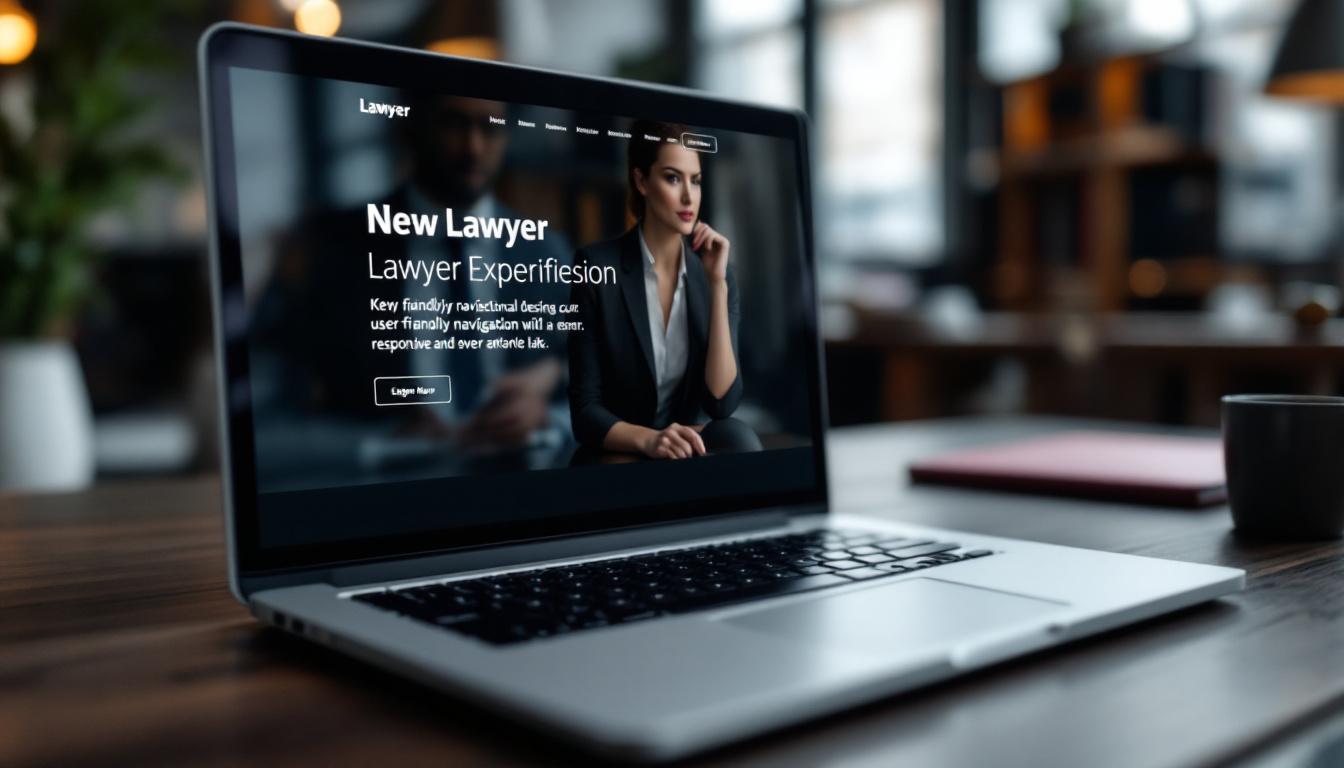
Responsiveness is crucial; your website should automatically adjust to any screen size, whether it’s a desktop, tablet, or smartphone. This flexibility guarantees that potential clients can access your services anytime, anywhere, without frustration. Furthermore, it is essential to consider the varying internet speeds that users may experience on mobile devices. By employing techniques such as lazy loading for images and minimising heavy scripts, you can ensure that your site remains swift and efficient, even under less-than-ideal conditions. This attention to detail can significantly enhance user satisfaction and encourage repeat visits.
Minimalist and Accessible Layout
A clean, uncluttered design helps visitors focus on the most important information, such as your practice areas, attorney profiles, and contact details. Minimalism reduces distractions and speeds up decision-making for visitors seeking legal help. The use of ample white space can also create a sense of professionalism and trustworthiness, which is vital in the legal industry where clients are often dealing with sensitive matters.
Accessibility is equally important. Incorporating features like high-contrast text, keyboard navigation, and alt text for images ensures that your website is usable by everyone, including people with disabilities. Compliance with the Americans with Disabilities Act (ADA) or equivalent UK accessibility guidelines not only broadens your audience but also demonstrates your firm’s commitment to inclusivity and professionalism. Additionally, providing transcripts for audio or video content can further enhance accessibility, catering to individuals with hearing impairments and ensuring that your valuable insights reach a wider audience.
Clear and Compelling Calls to Action (CTAs)
Every page on your website should guide visitors toward a specific action, whether it’s booking a consultation, calling your office, or submitting an enquiry. Clear CTAs, such as “Schedule a Free Consultation” or “Contact Our Solicitors Today,” should be prominently placed and visually distinct. The language used in CTAs should evoke a sense of urgency or importance, encouraging potential clients to take the next step without hesitation.
Strategically placed CTAs improve conversion rates by making it easy for visitors to take the next step. Avoid vague language and ensure that CTAs are relevant to the content on the page to maintain user engagement. Consider employing A/B testing to determine which phrases and placements yield the best results, allowing you to refine your approach continually. Furthermore, integrating social proof, such as client testimonials or case studies near your CTAs, can reinforce trust and motivate visitors to act, knowing they are making an informed choice based on the experiences of others. This combination of clarity and credibility can significantly enhance the effectiveness of your website’s design in converting visitors into clients.
Enhancing User Experience with Technology
Integrated Online Scheduling
Offering real-time appointment booking directly through your website adds a layer of convenience that clients appreciate. Embedding a scheduling widget on your homepage or contact page allows visitors to check availability and book consultations without the need for phone calls or emails.
This feature not only improves client satisfaction but also streamlines your administrative processes, reducing missed appointments and increasing conversion rates. Moreover, the ability to send automated reminders via email or SMS can further decrease no-show rates, ensuring that your calendar remains optimally filled. By analysing booking patterns, firms can also identify peak times and adjust staffing accordingly, enhancing overall operational efficiency.
AI-Powered Chatbots and Virtual Assistants
Implementing AI-driven chatbots can significantly enhance user engagement by providing instant answers to common legal questions. These virtual assistants can guide visitors through your services, help them understand complex legal topics, and even encourage them to schedule consultations.
Chatbots are available 24/7, offering immediate support and capturing leads outside of office hours. When programmed thoughtfully, they provide a personalised experience that makes your firm approachable and responsive. Furthermore, advanced chatbots can learn from interactions, continuously improving their responses and becoming more adept at handling nuanced queries. This not only enriches the user experience but also allows your firm to maintain a competitive edge in an increasingly digital landscape.
Enhanced Security and Compliance
Law firms handle sensitive client information, making website security paramount. Implementing SSL encryption ensures that data transmitted between your website and visitors is secure, building trust and credibility.
Additionally, adopting two-factor authentication for client portals and adhering to accessibility standards protects your clients and your firm. Regular security audits and updates are essential to defend against cyber threats and maintain compliance with legal regulations. It is also prudent to educate staff on best practices for data protection, as human error can often be a significant vulnerability. By fostering a culture of security awareness within your firm, you not only safeguard client information but also enhance your reputation as a trustworthy legal service provider.
Content Strategies to Build Trust and Authority
Educational and Engaging Content
Providing valuable content is key to establishing your law firm as an authority in your field. Blog posts addressing common legal questions, detailed case studies, and explainer videos can help demystify complex topics and reassure potential clients of your expertise.
Consistently updated content also improves your website’s SEO, making it easier for clients to find you through search engines. Focus on clarity, relevance, and helpfulness to keep visitors engaged and encourage them to reach out.
Video Content Integration
Videos are a powerful way to humanise your firm and build rapport. Short clips introducing your attorneys, explaining legal processes, or highlighting client testimonials can make your website more engaging and trustworthy.
Search engines favour websites with diverse content types, so integrating video can also enhance your SEO efforts. Ensure videos are professionally produced, concise, and accessible with captions for maximum impact.
Optimising for Search Engines and Continuous Improvement
SEO Best Practices
To attract more clients, your website must be easily discoverable. Optimise your site with clean, semantic code, fast loading speeds, and intuitive navigation. Implement schema markup to help search engines understand your content better, enhancing your visibility in search results.
Keyword research tailored to your legal specialisations will guide your content creation and metadata, ensuring you target the right audience. A well-structured website architecture also improves user experience, encouraging visitors to explore your services further.
Analytics and Ongoing Optimisation
Launching your website is just the beginning. Use analytics tools to monitor visitor behaviour, page performance, and conversion rates. These insights allow you to identify what works and what needs improvement.
Regularly update your content, refine your design, and test new features based on data-driven decisions. Continuous optimisation ensures your website remains effective in attracting and converting clients as trends and technologies evolve.
Conclusion
Designing a custom website for a law firm in 2025 is a multifaceted process that combines thoughtful design, advanced technology, and strategic content. By prioritising mobile-first responsiveness, accessibility, clear calls to action, and security, your website can offer an exceptional user experience that builds trust and drives client engagement.

Integrating tools like online scheduling and AI chatbots adds convenience and immediacy, while educational content and video help establish your firm’s authority. Coupled with strong SEO practices and ongoing analysis, these elements create a dynamic online presence that supports your firm’s growth and reputation.
Investing in a custom website tailored to your firm’s unique needs is not just a marketing choice—it’s a vital step in connecting with clients and standing out in a competitive legal landscape.
Ready to elevate your law firm's online presence with a custom website that embodies professionalism and innovation? At Kickass Online, we specialize in crafting bespoke web solutions that resonate with your brand's unique identity. Our expertise spans WordPress, Umbraco, Shopify, Webflow, and custom development using Angular, MERN, or Laravel. Beyond development, we empower your digital growth with comprehensive website maintenance, SEO, PPC, and cutting-edge AI and automation strategies. Book a discovery call with us today and take the first step towards a distinguished and high-performing website that sets you apart in the legal industry.