
Creating a professional and effective website for a law firm requires more than just a sleek design. It demands a careful balance between legal professionalism, user accessibility, and modern e-commerce functionality. Shopify, traditionally known for online stores, has evolved into a versatile platform that can be tailored to meet the unique needs of legal practices. This guide explores the key steps and best practices to design a Shopify website that not only attracts potential clients but also builds trust and complies with legal standards.
The foundation of any website is its theme, and for a law firm, this choice is particularly important. The theme must convey professionalism while ensuring accessibility for all visitors.
Accessibility is a legal and ethical necessity. Selecting a Shopify theme that complies with the Web Content Accessibility Guidelines (WCAG) Level AA ensures your website is usable by people with disabilities, including those who rely on screen readers or keyboard navigation. This is especially vital given the Americans with Disabilities Act (ADA) requirements, which many law firms must adhere to.
Shopify offers several ADA-compliant themes that meet WCAG 2.1 or 2.2 standards. These themes feature clear typography, sufficient colour contrast, and properly structured content, making it easier for all users to navigate your site. Prioritising accessibility not only broadens your audience but also reflects your firm’s commitment to inclusivity and professionalism.
In addition to accessibility, the visual appeal of your chosen theme plays a crucial role in establishing your firm's online identity. A well-designed theme should not only look polished but also resonate with the values and ethos of your practice. For example, a family law firm might opt for a softer colour palette and inviting imagery, while a corporate law firm may prefer a more austere and minimalist design. It's essential to ensure that the theme aligns with your brand's message and the expectations of your target clientele.
Furthermore, consider the functionality that comes with your chosen theme. Many Shopify themes offer built-in features such as contact forms, appointment scheduling, and client testimonials, which can enhance user engagement and streamline communication. These elements are particularly beneficial for legal professionals, as they facilitate direct interaction with potential clients and provide a platform for showcasing successful case studies. Investing time in selecting a theme that not only looks good but also serves practical purposes can significantly improve the user experience and ultimately lead to increased client conversions.
More than 60% of visitors to legal websites now access them via mobile devices. This shift means that a mobile-first design approach is no longer optional but essential. Designing your Shopify site with mobile users in mind ensures that your content is readable, navigation is intuitive, and interactive elements function smoothly on smaller screens.
A mobile-friendly website improves user engagement, reduces bounce rates, and positively impacts your search engine rankings. Google’s algorithms favour responsive sites that deliver a seamless experience across all devices, helping your law firm appear higher in search results. This increased visibility can translate into more enquiries and ultimately more clients.
In addition to enhancing user experience, a mobile-first design can also facilitate quicker loading times, which is crucial in retaining potential clients. Studies indicate that users are more likely to abandon a site if it takes longer than three seconds to load, particularly on mobile devices where patience can be limited. By optimising images, minimising code, and leveraging browser caching, you can ensure that your site not only looks good but also performs efficiently, keeping visitors engaged and encouraging them to explore your services further.
Moreover, the mobile-first approach allows for a more streamlined design process. By prioritising mobile layouts, designers can focus on the essential elements that convey the firm's message without unnecessary clutter. This can lead to more effective communication of your brand's values and services, as well as a more straightforward user journey. As mobile usage continues to rise, investing in a mobile-first design will not only future-proof your website but also position your law firm as a modern and accessible choice for clients seeking legal assistance.
In the digital age, patience is limited. If your website takes longer than three seconds to load, visitors are likely to leave before exploring your services. Speed optimisation is therefore crucial to retain potential clients and improve your search engine ranking.
Several strategies can enhance your Shopify website’s loading times:
By focusing on these areas, your website will provide a smooth, efficient browsing experience that encourages visitors to stay and engage with your content.
Moreover, implementing a Content Delivery Network (CDN) can significantly enhance load times by distributing your website’s content across multiple servers located around the globe. This means that users can access your site from a server that is geographically closer to them, reducing latency and improving speed. Additionally, regularly auditing your website for broken links and outdated plugins can prevent unnecessary slowdowns, ensuring that every element of your site is functioning optimally.
Another important aspect to consider is the use of asynchronous loading for JavaScript files. By allowing certain scripts to load in the background while the rest of the page is being rendered, you can significantly improve perceived load times. This technique not only enhances user experience but also keeps visitors engaged, as they can start interacting with your site even while additional resources are still loading. Ultimately, a well-optimised website not only attracts visitors but also fosters a sense of trust and professionalism, encouraging them to return in the future.
Trust is the cornerstone of any legal relationship. Potential clients want assurance that they are choosing a reputable firm with proven expertise. Incorporating trust signals into your Shopify website can significantly influence their decision.
Displaying client testimonials is one of the most effective ways to build credibility. Real feedback and success stories provide social proof that your firm delivers results. Additionally, showcasing attorney credentials, awards, and professional memberships reinforces your expertise and standing in the legal community.
Media mentions or recognitions can further enhance your firm’s reputation. Featuring logos or quotes from reputable publications where your firm has been featured adds an extra layer of trustworthiness. These elements combined help visitors feel confident in reaching out to your firm.
Moreover, the inclusion of case studies can serve as a powerful tool in illustrating your firm’s capabilities. By detailing specific instances where your firm has successfully navigated complex legal challenges, you can provide potential clients with a clear picture of what they might expect. This not only highlights your problem-solving skills but also showcases your commitment to achieving favourable outcomes for your clients. Such narratives can resonate deeply, making your firm more relatable and trustworthy.
Furthermore, engaging with your audience through informative blog posts or articles can establish your firm as a thought leader in the legal field. By sharing insights on recent legal developments, offering advice on common legal issues, or discussing trends within your practice area, you can demonstrate your knowledge and dedication to the profession. This ongoing dialogue not only builds credibility but also fosters a sense of community, encouraging potential clients to view your firm as a reliable partner in their legal journey.
Legal websites must comply with accessibility standards and data protection regulations to serve all users fairly and protect sensitive information.
Accessibility features include compatibility with screen readers, keyboard navigation for users with mobility challenges, descriptive alt text for images, and properly labelled forms. Maintaining sufficient colour contrast between text and backgrounds is also essential for readability, especially for users with visual impairments.
Beyond accessibility, your website must safeguard client data. Implementing SSL certificates ensures secure data transmission, while adherence to privacy laws such as GDPR and CCPA protects user information. Secure contact forms with encryption and regular security audits help prevent data breaches, fostering trust and legal compliance.
Interactive elements can transform a static website into an engaging platform that encourages visitors to take action. For law firms, these features can simplify communication and provide valuable tools to potential clients.
Live chat options offer immediate assistance, allowing visitors to ask questions and receive answers in real time. This instant interaction can improve client satisfaction and increase conversion rates.
Legal calculators are another useful addition. Tools that estimate fees or potential settlements provide transparency and empower users with information, making them more likely to engage your services.
Finally, streamlined client intake forms simplify the process of submitting information securely, reducing barriers for new clients to reach out. These interactive features not only enhance user experience but also support your firm’s operational efficiency.
Designing a Shopify website for a law firm involves more than aesthetics. It requires a strategic approach that prioritises accessibility, mobile usability, fast performance, trust-building, compliance, and user engagement. By carefully selecting an accessible theme, implementing mobile-first design, optimising for speed, showcasing credibility, ensuring legal compliance, and incorporating interactive features, your website can become a powerful tool for attracting and retaining clients.
In today’s digital landscape, a well-designed Shopify website not only reflects your firm’s professionalism but also enhances client experience and fosters trust. Investing time and resources into these best practices will position your law firm for success in an increasingly competitive online environment.
Ready to elevate your law firm's online presence with a Shopify website that embodies professionalism and accessibility? At Kickass Online, we specialise in bespoke web development, including expertly crafted Shopify sites that engage and convert. Our experienced team is well-versed in WordPress, Umbraco, Webflow, and custom development using Angular, MERN, or Laravel. Beyond development, we offer comprehensive website maintenance, SEO, PPC, and AI-driven automations to grow your business. Don't let your digital potential go untapped. Book a discovery call with us today and take the first step towards a dynamic, client-attracting website.
Creating an effective website for a law firm is a crucial step in establishing a strong online presence. With more clients searching for legal services online, your website acts as the first point of contact and a vital marketing tool. Umbraco, a flexible and powerful content management system (CMS), offers an excellent platform to build a professional, user-friendly website tailored to the legal sector.
This guide explores how to design a Umbraco website specifically for lawyers, focusing on user experience, content strategy, technical considerations, and design best practices. By following these recommendations, law firms can create websites that not only look professional but also engage visitors and convert them into clients.
One of the most important aspects of any law firm website is ensuring visitors can effortlessly find the information they need. Law firm websites typically contain a wealth of information, including details about practice areas, attorney profiles, legal resources, and contact options. A clear and intuitive navigation structure is essential to avoid overwhelming users. Additionally, integrating a search function can significantly enhance user experience, allowing visitors to quickly locate specific information without having to sift through multiple pages. This feature is particularly beneficial for users who may not be familiar with the legal terminology or the structure of the website.
Using Umbraco’s flexible menu-building features, designers can create straightforward navigation menus that categorise services logically. For example, grouping practice areas such as Family Law, Corporate Law, and Property Law under a single “Services” menu item helps visitors quickly identify relevant sections. Including a persistent menu bar that remains accessible as users scroll can also improve usability. Moreover, incorporating breadcrumb navigation can further assist users in understanding their location within the site, allowing them to backtrack easily if they wish to explore related topics or services.
With over 60% of global web traffic expected to come from mobile devices in 2025, ensuring your Umbraco website is fully responsive is non-negotiable. Mobile optimisation guarantees that visitors on smartphones or tablets experience the same smooth navigation and readability as desktop users. A responsive design also helps reduce bounce rates, keeping potential clients engaged longer. Furthermore, considering the varying screen sizes and orientations, it is crucial to test the website across multiple devices to ensure that all elements, from images to text, adapt seamlessly, providing a consistent experience for all users.
Visitors expect websites to load swiftly, and this is especially true for professional services like law firms where trust and efficiency are paramount. Research shows that pages loading in three seconds or less significantly improve user satisfaction and search engine rankings. Umbraco’s lightweight architecture and caching capabilities can be optimised to enhance performance. Additionally, employing Content Delivery Networks (CDNs) can further reduce load times by distributing content closer to users, thereby improving access speed regardless of their geographical location.
Regularly monitoring load times and compressing images or scripts where necessary will maintain a fast, seamless browsing experience. Slow websites risk frustrating visitors, potentially driving them to competitors. It is also advisable to conduct periodic audits of your website’s performance, as updates and new content can inadvertently affect load times. By staying proactive, law firms can ensure their online presence remains competitive and user-friendly.
Ensuring your website is accessible to users with disabilities is both a legal and ethical responsibility. Features such as high-contrast colour schemes, alt text for images, and keyboard navigability help make your site usable for everyone. Umbraco supports accessibility best practices through its content editing tools, allowing you to add descriptive text and structure content semantically. Furthermore, implementing ARIA (Accessible Rich Internet Applications) roles can enhance the experience for users relying on assistive technologies, ensuring that all interactive elements are clearly defined and usable.
Accessible websites not only broaden your audience but also demonstrate your firm’s commitment to inclusivity and professionalism. By prioritising accessibility, law firms can foster a more welcoming environment for all potential clients, reinforcing their reputation as a responsible and forward-thinking practice. Additionally, many clients today actively seek out businesses that reflect their values, and showcasing your dedication to accessibility can be a significant differentiator in a competitive market.
Content is at the heart of any successful law firm website. It should inform visitors, build trust, and encourage them to take action. Umbraco’s intuitive content management interface makes it easy to update and manage content, keeping your site fresh and relevant.
Every page on your website should guide visitors towards a desired action, whether that’s scheduling a consultation, calling your office, or submitting an enquiry form. Prominent and well-placed calls to action (CTAs) like “Schedule a Consultation” or “Contact Us Today” help convert visitors into clients.
Using contrasting colours and strategic placement, such as near the top of the page or at the end of service descriptions, ensures CTAs stand out. Umbraco allows you to easily customise these buttons site-wide or on individual pages to suit your marketing goals.
Developing a blog or resource section is an excellent way to establish your law firm as a trusted knowledge hub. Regularly publishing articles that address common legal questions or recent changes in legislation helps attract organic traffic and demonstrates your expertise.
Umbraco’s content scheduling and version control features make managing a blog straightforward. Additionally, integrating social sharing buttons encourages visitors to distribute your content, increasing your firm’s reach.
Trust is paramount when choosing a lawyer. Including client testimonials and case success stories on your website builds credibility and reassures prospective clients. Authentic, well-written testimonials can significantly influence decision-making.
Umbraco’s flexible content blocks enable you to feature rotating testimonials or dedicated case study pages, enhancing your site’s persuasive power without cluttering the design.
Beyond design and content, technical aspects play a vital role in the effectiveness of a law firm website. Umbraco offers a range of features that support search engine optimisation (SEO), security, and integration with other business tools.
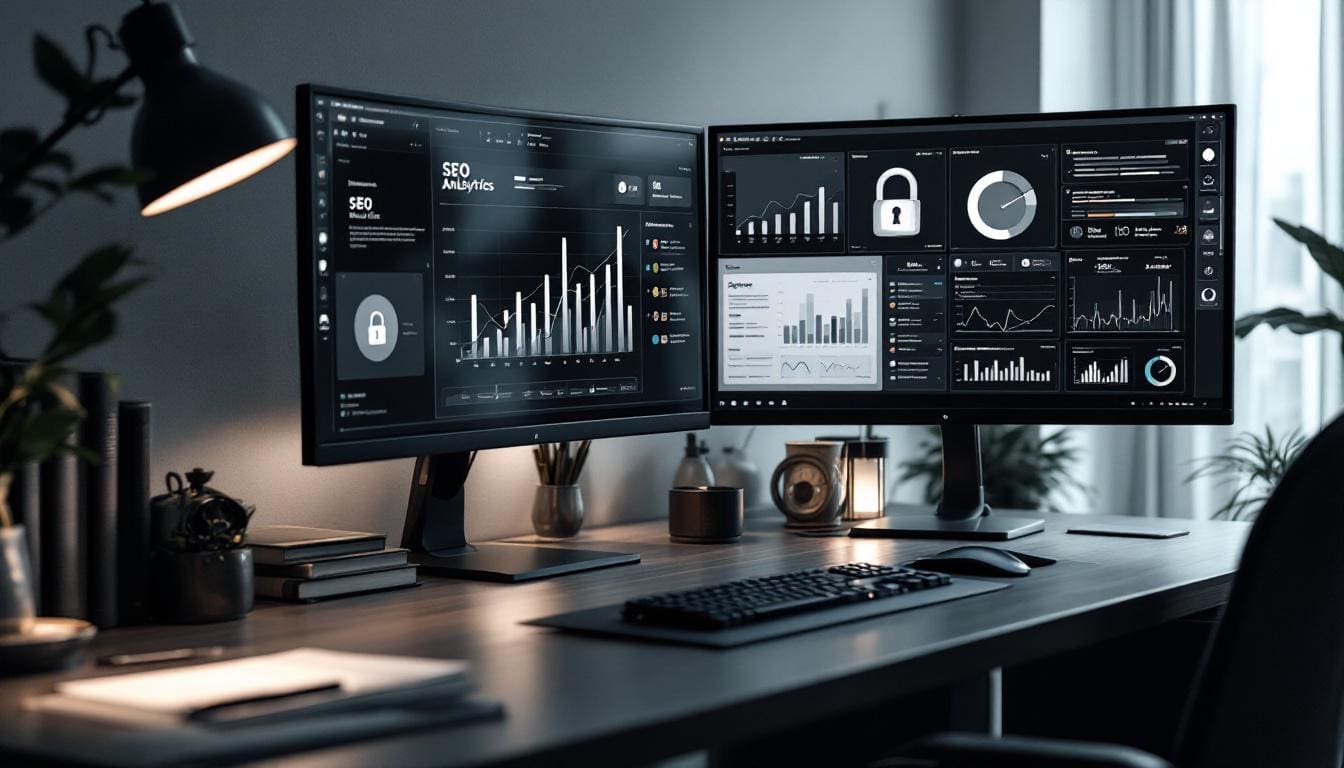
Visibility on search engines is essential for attracting new clients. Umbraco’s SEO-friendly architecture allows for customisable URLs, metadata management, and clean code, all factors that improve search rankings. Ensuring each page has unique title tags, meta descriptions, and header structures helps search engines understand your content better.
Incorporating keywords naturally within your content, especially in service descriptions and blog articles, further boosts SEO. Regularly updating content signals to search engines that your site is active and authoritative.
Law firms handle sensitive client information, so website security cannot be overlooked. Umbraco regularly releases updates and patches to address vulnerabilities. Keeping your CMS and plugins up to date is critical to protecting client data and maintaining trust.
Implementing HTTPS encryption, secure contact forms, and strong password policies are additional steps to safeguard your site. Partnering with a reliable hosting provider that specialises in secure environments adds an extra layer of protection.
Umbraco’s flexibility allows for integration with customer relationship management (CRM) systems, marketing automation platforms, and analytics tools. These integrations streamline operations by automating client follow-ups, tracking website performance, and managing leads efficiently.
For example, connecting your website’s contact forms directly to a CRM ensures enquiries are promptly captured and assigned to the right team member. Analytics integration provides valuable insights into visitor behaviour, helping you refine your marketing strategies.
The visual design of your law firm’s website should reflect professionalism and instil confidence. Current design trends favour minimalist and clean layouts that prioritise readability and ease of use.
A clutter-free design with ample white space helps visitors focus on essential information without distraction. This approach also enhances the site’s overall aesthetic, making it appear modern and organised.
Using Umbraco’s flexible grid layouts, designers can create balanced pages that highlight key content areas such as practice areas, attorney profiles, and CTAs without overwhelming visitors.
Maintaining uniform colours, fonts, and imagery throughout the website fosters brand recognition and trust. Choose a colour palette that reflects your firm’s identity, whether that’s traditional and trustworthy blues or modern, bold tones, and apply it consistently.
Typography should be clear and professional, supporting readability on all devices. Umbraco’s styling options allow for easy application of brand guidelines across the entire site.
High-quality images of your legal team, office environment, and community involvement create a personal connection with visitors. Authentic photography is more effective than generic stock images in conveying trustworthiness and approachability.
Including team bios alongside photos humanises your firm, making potential clients feel more comfortable reaching out. Umbraco’s media management tools simplify uploading and organising images to keep your site visually engaging.
Designing a Umbraco website for a lawyer involves a careful balance of user experience, compelling content, technical robustness, and polished design. By focusing on intuitive navigation, mobile optimisation, fast load times, and accessibility, your site will serve visitors effectively.
Complementing this with clear calls to action, engaging content, and client testimonials builds trust and encourages enquiries. Leveraging Umbraco’s SEO capabilities, security features, and integration options ensures your website performs well and supports your business goals.
Finally, adopting modern design trends and consistent branding creates a professional online presence that reflects your firm’s values. With these strategies, your Umbraco website will not only attract potential clients but also convert them into loyal clients, helping your law firm thrive in a competitive digital landscape.
Ready to elevate your law firm's online presence with a cutting-edge Umbraco website? At Kickass Online, we specialise in bespoke web development across platforms like Umbraco, ensuring your site not only looks professional but also drives business growth. From website maintenance to SEO, PPC, and innovative AI solutions, we're here to help you succeed. Book a discovery call with us today and let's create a digital strategy that sets your firm apart.
Creating a website for a Managed Service Provider (MSP) is a unique challenge. The site must clearly communicate technical services while remaining accessible to a diverse audience, including non-technical decision-makers. Umbraco, a flexible and user-friendly content management system (CMS), is an excellent choice for MSPs aiming to build a scalable, secure, and optimised web presence. This article explores key strategies and best practices to design an effective Umbraco website tailored specifically for MSPs.
MSPs operate in a competitive and fast-evolving industry, providing IT support, security, and infrastructure management to businesses of all sizes. Their websites must serve several purposes: attract potential clients, demonstrate expertise, support marketing campaigns, and facilitate smooth client communication.
Unlike typical corporate sites, MSP websites often require integration with various business tools and must present complex technical information in a clear, engaging manner. Therefore, the design process needs to balance technical sophistication with simplicity and usability.
Moreover, the content on an MSP website should not only highlight the services offered but also educate visitors about the importance of IT management and security. This could include informative blogs, case studies, and whitepapers that showcase successful projects and the tangible benefits of partnering with an MSP. By providing valuable insights and resources, the website can position the MSP as a thought leader in the industry, fostering trust and credibility among potential clients.
Additionally, user experience plays a crucial role in the effectiveness of an MSP website. Features such as live chat support, easy-to-navigate service pages, and client testimonials can significantly enhance engagement. Furthermore, incorporating a responsive design ensures that the site is accessible on various devices, catering to the needs of busy professionals who may be seeking support on the go. In this digital age, an MSP's online presence is not just a reflection of their brand, but a vital tool for client acquisition and retention.
One of Umbraco’s standout features is its user-friendly interface, which allows non-technical staff to manage and update website content without needing developer support. For MSPs, this is invaluable. Marketing teams can quickly adjust service descriptions, publish news updates, or launch campaigns without delay.
By empowering internal teams to take control of content, MSPs can reduce ongoing development costs and accelerate time-to-market for new initiatives. This agility is crucial in an industry where technology and client needs evolve rapidly. Moreover, the intuitive nature of Umbraco's interface means that training time is significantly reduced. New team members can become proficient in content management within a matter of hours, allowing for a seamless transition during onboarding. This is particularly beneficial for MSPs that frequently experience staff turnover or need to scale their teams quickly in response to project demands.
Umbraco’s ability to create custom document types and content models ensures that all website content is structured and consistent. For example, MSPs can build specific templates for service pages, case studies, or team profiles, each with predefined fields for easy editing.
This structure not only streamlines content creation but also improves the visitor experience by presenting information in a clear, predictable format. It also aids SEO efforts by ensuring metadata and URLs are consistently applied. Furthermore, having a well-defined content model allows for better collaboration among team members, as everyone understands the parameters and expectations for each type of content. This consistency can enhance brand integrity across various platforms, ensuring that clients receive a cohesive message whether they are visiting the website, reading a newsletter, or engaging on social media. As a result, MSPs can build stronger relationships with their clients, fostering trust and loyalty through reliable and professional communication.
MSPs often start with a modest client base but need their website to scale as their business expands. Umbraco’s flexible architecture supports websites ranging from small local providers to large enterprises with complex requirements. This adaptability is crucial in a rapidly changing digital landscape where customer expectations evolve and competition intensifies. By leveraging Umbraco's capabilities, MSPs can ensure their online presence remains robust and responsive, regardless of the number of users or the complexity of the content being delivered.
To maintain fast load times and reliable performance, especially as traffic grows, it’s essential to implement optimisation techniques. These include caching strategies to reduce server load and using content delivery networks (CDNs) to serve content quickly to visitors worldwide. Additionally, optimising images and utilising asynchronous loading for scripts can significantly enhance page speed, providing a smoother experience for users. Regularly monitoring website performance through analytics tools allows MSPs to identify bottlenecks and areas for improvement, ensuring that their site remains efficient even during peak traffic periods.
Performance optimisation not only improves user experience but also positively impacts search engine rankings, helping MSPs attract more potential clients. A well-optimised site is more likely to retain visitors, reducing bounce rates and increasing the likelihood of conversions. Furthermore, as search engines continue to prioritise user experience in their algorithms, the importance of maintaining a fast and responsive website cannot be overstated. By investing in scalability and performance from the outset, MSPs position themselves for long-term success, ready to seize new opportunities as they arise.
MSPs rely on a variety of third-party tools such as customer relationship management (CRM) systems, marketing automation platforms, and analytics software. Umbraco’s open architecture makes it straightforward to integrate these systems, creating a seamless workflow.
For example, integrating a CRM allows website enquiries to flow directly into sales pipelines, improving lead management. Marketing automation tools can personalise website content based on visitor behaviour, enhancing engagement and conversion rates.
Such integrations ensure the website is not just a static brochure but an active part of the MSP’s business operations. Furthermore, the ability to connect with analytics software provides invaluable insights into user behaviour and website performance. By analysing this data, MSPs can make informed decisions to optimise their marketing strategies, ensuring they are targeting the right audience with the right message at the right time. This data-driven approach not only boosts efficiency but also maximises return on investment.
Moreover, the integration of project management tools can streamline internal processes, allowing teams to collaborate more effectively. By linking project timelines and task assignments to the website, MSPs can keep clients informed about project progress in real-time, fostering transparency and trust. This holistic approach to integrating essential business tools not only enhances operational efficiency but also elevates the overall client experience, making it a crucial aspect of modern business strategy.
Security is a top priority for MSPs, given the sensitive nature of the data they handle. Umbraco regularly releases updates and patches to address vulnerabilities, so keeping the CMS up to date is crucial.
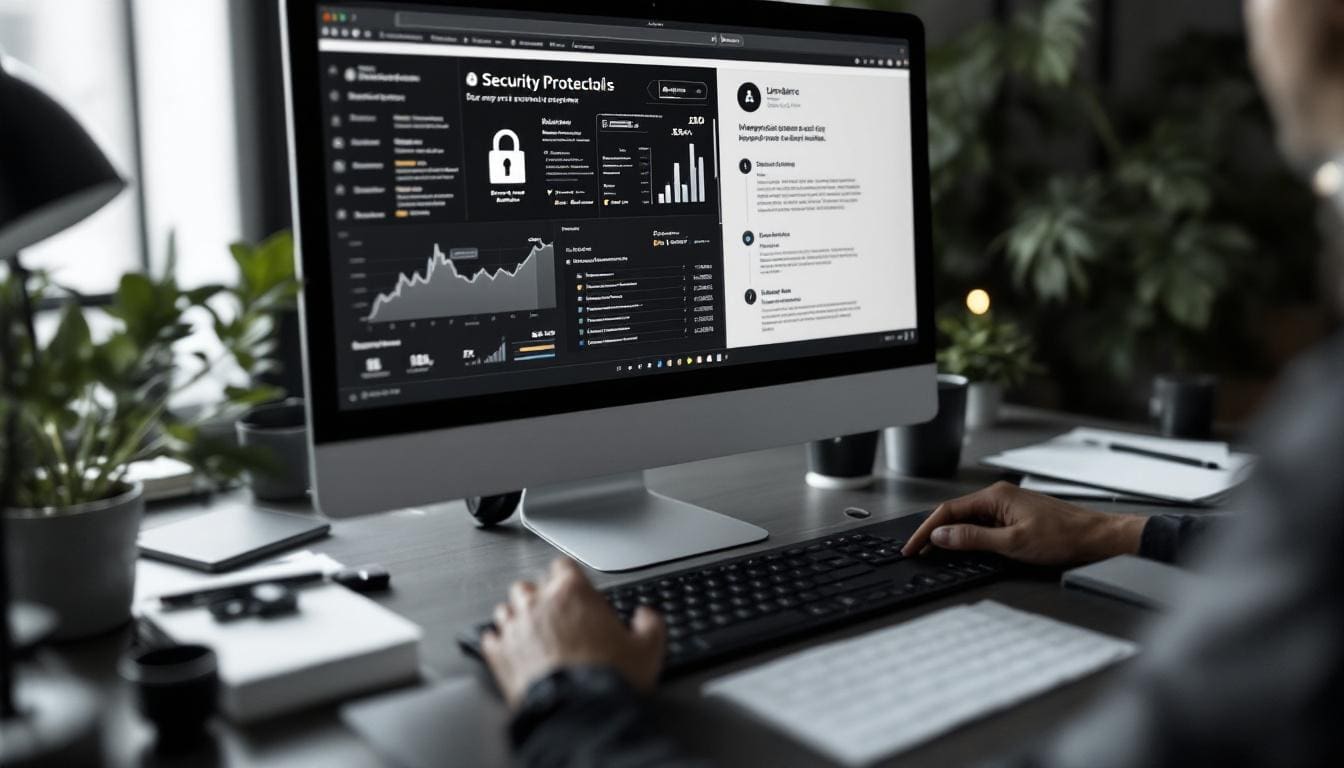
Beyond updates, implementing multi-factor authentication for content editors and encrypting data transmissions helps protect the website from unauthorised access. These measures build trust with clients who expect their service providers to uphold the highest security standards.
Furthermore, it is essential to conduct regular security audits and vulnerability assessments to identify potential weaknesses in your website's infrastructure. Engaging with cybersecurity professionals can provide insights into the latest threats and help establish a robust security framework tailored to your specific needs. By proactively addressing these vulnerabilities, MSPs can not only safeguard their data but also enhance their reputation in a competitive market where clients are increasingly aware of the risks associated with data breaches.
Another critical aspect of website security is the implementation of a comprehensive backup strategy. Regularly backing up website data ensures that, in the event of a cyber-attack or data loss, you can quickly restore your site to its previous state with minimal disruption. Additionally, educating your team on best practices for online security, such as recognising phishing attempts and using secure passwords, can significantly reduce the risk of human error, which is often the weakest link in the security chain. By fostering a culture of security awareness, you empower your team to contribute actively to the protection of your digital assets.
Visibility in search engines is vital for MSPs looking to attract new clients. Umbraco offers built-in SEO features such as easy management of metadata, customisable URLs, and sitemap generation.
By carefully optimising service pages and blog content for relevant keywords, MSPs can improve their search rankings. Regular SEO audits and content updates ensure the website remains competitive in search results.
Environmental responsibility is becoming increasingly important for businesses across all sectors. Umbraco’s sustainability dashboard enables MSPs to monitor their website’s carbon footprint, encouraging greener digital practices.
Additionally, integrating AI capabilities through Umbraco’s Model Content Protocol (MCP) Server can future-proof the website. AI tools can assist with personalised content delivery, dynamic pricing models, and marketing insights, keeping the MSP ahead of industry trends.
Launching the website is just the beginning. Regular maintenance is essential to keep the site secure, fast, and effective. This includes updating Umbraco to the latest version, performing SEO audits, and monitoring website performance.
Engaging with the Umbraco community can provide valuable support and insights. The active network of developers and users offers resources that help MSPs troubleshoot issues and discover new features.
Designing a successful Umbraco website for an MSP involves more than just aesthetics. It requires a strategic approach that addresses usability, scalability, security, and integration with business systems. By leveraging Umbraco’s flexible platform and focusing on these key areas, MSPs can build a website that not only attracts and converts clients but also grows alongside their business.
With the right design and ongoing maintenance, an Umbraco website becomes a powerful asset, streamlining operations, enhancing brand reputation, and supporting long-term success in the competitive MSP market.
Ready to elevate your MSP's online presence with a custom-designed Umbraco website? At Kickass Online, we specialise in creating tailored web solutions that resonate with your brand and drive business growth. With expertise in platforms like Umbraco, WordPress, Shopify, and more, as well as custom development with Angular, MERN, and Laravel, we're equipped to bring your vision to life. Plus, our suite of services including website maintenance, SEO, PPC, and AI-driven automations ensures your site not only looks great but performs exceptionally. Don't miss the opportunity to outshine your competition. Book a discovery call with us today and let's discuss how we can kick your MSP's website up a notch!
Creating a custom website for a branding company is a unique challenge that requires a blend of creativity, strategy, and technical know-how. The website must not only reflect the company’s identity but also engage visitors, build trust, and ultimately convert them into clients. With the digital landscape evolving rapidly, especially with mobile usage dominating web traffic, a thoughtful approach to design is essential.
In 2025, over 70% of website visits are expected to come from mobile devices. This statistic alone underscores the importance of adopting a mobile-first design philosophy. Designing with mobile users in mind from the outset ensures that the website performs well on smaller screens and touch interfaces, which are now the primary way many people access the web.
Responsive design complements this approach by allowing your website to adapt seamlessly to different screen sizes and orientations. Whether a visitor is browsing on a smartphone, tablet, or desktop, the experience should be smooth and visually consistent. This adaptability not only improves user satisfaction but also benefits search engine rankings, as search engines prioritise mobile-friendly sites. Furthermore, as technology advances, the variety of devices continues to grow, making it imperative for designers to stay ahead of the curve and create layouts that can accommodate future innovations in mobile technology.
Alongside responsiveness, accessibility is a critical aspect of modern web design. Incorporating features such as alternative text for images, keyboard navigation, and sufficient colour contrast ensures that your website is usable by people with disabilities. This inclusivity broadens your audience and demonstrates a commitment to ethical design practices. Moreover, adhering to accessibility standards, such as the Web Content Accessibility Guidelines (WCAG), not only enhances user experience for those with disabilities but also fosters a sense of community and belonging among all users. By prioritising accessibility, you are not just complying with legal requirements; you are actively contributing to a more equitable digital landscape.
Additionally, incorporating user feedback can significantly enhance the accessibility of your site. Engaging with users who have disabilities can provide invaluable insights into their specific needs and preferences, allowing you to make informed adjustments that improve overall usability. This iterative process not only strengthens your website's accessibility but also builds trust and loyalty among your audience, as they see their needs being acknowledged and addressed in your design choices.
Navigation is the backbone of user experience on any website. For a branding company, where visitors often seek specific information about services, portfolios, or case studies, a clear and intuitive navigation system is vital.
Keep the navigation structure simple and consistent across all pages. Use descriptive labels that clearly indicate what visitors can expect to find, avoiding jargon or ambiguous terms. For example, instead of a vague menu item like “Solutions,” use “Brand Strategy” or “Creative Services” to guide users more effectively.
Consider the placement of navigation elements carefully. The top of the page or a sidebar are conventional spots that users instinctively look for menus. Including a search function can also help visitors quickly locate specific content, enhancing overall usability.
Moreover, it is essential to consider the responsiveness of your navigation design. With the increasing use of mobile devices, ensuring that your navigation adapts seamlessly to different screen sizes is crucial. A mobile-friendly navigation menu might include a hamburger icon that expands to reveal options, allowing for a clean and uncluttered interface on smaller screens. This not only improves accessibility but also caters to the growing number of users who prefer browsing on their smartphones or tablets.
Another important aspect is the incorporation of breadcrumbs, which provide users with a clear trail of their navigation path. This feature not only helps visitors understand their current location within the website but also allows them to backtrack easily to previous sections without feeling lost. By implementing breadcrumbs, you enhance the overall user experience, making it easier for potential clients to explore your offerings and engage with your content more effectively.
Visuals are a powerful tool for storytelling and engagement. For a branding company, the website itself is a showcase of design expertise, so the quality of images, illustrations, and videos must be impeccable.
High-resolution images that align with the company’s style and ethos help create a professional and trustworthy impression. Custom illustrations or animations can add uniqueness and demonstrate creativity, setting the brand apart from competitors.
Videos, such as client testimonials or behind-the-scenes glimpses of the creative process, can deepen visitor engagement by adding a human touch. However, it’s important to balance visual richness with performance optimisation to avoid slow loading times.
Moreover, the strategic use of colour palettes that resonate with the brand's identity can enhance the overall aesthetic appeal of the website. Colours evoke emotions and can significantly influence a visitor's perception of the brand. For instance, vibrant hues may suggest innovation and energy, while muted tones can convey sophistication and reliability. Therefore, a cohesive colour scheme that aligns with the brand message is crucial in creating a memorable visual experience.
In addition, incorporating interactive elements such as hover effects or parallax scrolling can elevate the user experience, making it not only visually appealing but also engaging. These features encourage users to explore the site further, increasing the likelihood of conversions. Furthermore, ensuring that all visuals are optimised for various devices is essential, as a significant portion of web traffic comes from mobile users. A responsive design that maintains visual integrity across all platforms will reflect a brand's commitment to quality and user satisfaction.
Website speed is more than just a technical detail; it directly impacts user experience and search engine rankings. Visitors expect pages to load quickly, and delays can lead to higher bounce rates and lost opportunities.
To enhance performance, optimise images by compressing them without sacrificing quality. Minimise the use of heavy scripts and streamline your code to reduce load times. Leveraging Content Delivery Networks (CDNs) can also distribute your content more efficiently across the globe, ensuring faster access for all users.
A branding company’s website should guide visitors towards meaningful actions, whether that’s making an enquiry, requesting a quote, or signing up for a newsletter. Conversion-focused elements like clear calls-to-action (CTAs) are essential in this regard.

Place CTAs prominently but naturally within the page layout, using compelling language that encourages engagement. For example, buttons labelled “Get a Free Consultation” or “View Our Portfolio” are clear and inviting.
Including client testimonials and case studies builds trust by showcasing proven results and satisfied customers. These social proof elements reassure visitors of the company’s expertise and reliability, making them more comfortable taking the next step.
Beyond visuals and functionality, a website should communicate the heart of the branding company’s identity. Strategic brand storytelling is a powerful way to connect emotionally with visitors and differentiate the company in a crowded marketplace.
Craft narratives that highlight the company’s values, mission, and unique selling points. Share the journey behind the brand, its approach to creativity, and the impact it has made for clients. This storytelling can be woven throughout the website, from the homepage to the about page and blog posts, creating a cohesive and engaging experience.
Consistency in branding elements such as colours, typography, and imagery reinforces recognition and professionalism. A cohesive visual identity across all pages helps visitors associate the website with the company’s overall brand.
Choose a colour palette that reflects the company’s personality, whether bold and dynamic or subtle and sophisticated, and apply it consistently. Typography should be legible and harmonise with the brand’s tone, avoiding too many font styles that can clutter the design.
Visual elements like logos, icons, and graphic styles should also maintain uniformity, ensuring that every part of the website feels like a natural extension of the brand.
Even the most beautifully designed website is ineffective if it doesn’t attract visitors. Search Engine Optimisation (SEO) is crucial to improve visibility and draw organic traffic.
Optimise the website’s architecture by organising content logically and using relevant keywords naturally within headings, paragraphs, and meta tags. Schema markup can help search engines better understand the content, potentially enhancing search result listings.
Regularly updating content and maintaining fast load times also contribute to better SEO performance, ensuring the website remains competitive in search rankings.
Launching a website is just the beginning. To ensure it remains effective, it’s important to monitor how visitors interact with it and identify areas for improvement.
Analytics tools provide valuable insights into user behaviour, such as which pages are most popular, where visitors drop off, and how long they stay. This data helps inform decisions about content updates, design tweaks, and new features.
By adopting a data-driven approach, a branding company can keep its website aligned with user expectations and business goals, fostering ongoing growth and success.
Designing a custom website for a branding company involves much more than aesthetics. It requires a strategic blend of mobile-first responsiveness, intuitive navigation, compelling visuals, and conversion-focused elements—all woven together with consistent branding and storytelling. Optimising for speed and SEO ensures the site reaches its intended audience, while analytics provide a roadmap for continuous enhancement.

By following these best practices, a branding company can create a website that not only showcases its creative prowess but also delivers a seamless, engaging experience that drives business growth.
Ready to elevate your brand's online presence with a custom-designed website that captivates and converts? At Kickass Online, we specialise in bespoke web development, leveraging platforms like WordPress, Umbraco, Shopify, Webflow, and custom frameworks such as Angular, MERN, and Laravel. Our expertise extends to website maintenance, SEO, PPC, and harnessing AI and automation to scale your business. Don't miss the opportunity to transform your digital strategy—book a discovery call with us today and let's create a website that truly represents the power of your brand.
Creating a Shopify website tailored specifically for a graphic designer involves more than just setting up an online store. It requires a thoughtful approach that highlights creativity, showcases your portfolio effectively, and offers a seamless user experience. Whether you’re selling design services, digital products, or physical merchandise, your website should reflect your unique style while remaining functional and easy to navigate.
In today’s digital age, over half of all web traffic comes from mobile devices. This makes selecting a mobile-first, responsive Shopify theme essential. A responsive design ensures your website adapts smoothly to different screen sizes, from smartphones to desktops, offering visitors a consistent and enjoyable browsing experience. For graphic designers, this means your portfolio and products will look polished and professional, no matter the device. Furthermore, as mobile technology continues to evolve, it’s crucial to choose a theme that not only meets current standards but is also adaptable for future advancements. This foresight can save time and resources in the long run, allowing designers to focus on their creative work rather than constantly updating their website.
Minimalism is another key design principle to embrace. A clean, uncluttered layout with plenty of white space allows your artwork to take centre stage without distractions. Minimalist themes often use simple colour schemes and clean lines, which not only enhance the visual appeal but also improve site performance by reducing loading times. This approach aligns perfectly with the aesthetic sensibilities of many graphic designers, who appreciate clarity and focus in their work. Additionally, a minimalist design can lead to improved user engagement, as visitors are more likely to explore a site that feels open and inviting. By prioritising essential elements and eliminating unnecessary clutter, designers can create an immersive experience that encourages potential clients to delve deeper into their offerings.
Site speed is critical, not just for user satisfaction but also for search engine optimisation (SEO). Research shows that a loading time of under three seconds can significantly reduce bounce rates and increase conversions. When choosing a Shopify theme, look for those optimised for speed, featuring lightweight code and efficient image handling. Using modern image formats like WebP can help maintain high-quality visuals without slowing down your site. Moreover, consider the importance of performance on mobile devices, where users often rely on cellular data. A fast-loading site can enhance user experience, encouraging visitors to return and recommend your services to others. Regularly testing your site’s speed and making necessary adjustments will ensure that your online presence remains competitive in an ever-evolving digital landscape.
Your portfolio is the heart of your website. It’s the primary way potential clients and customers will judge your skills and style. Shopify themes that support high-resolution images and interactive galleries are ideal for graphic designers. Full-width hero images on your homepage can immediately capture attention, while scroll-triggered animations add a dynamic touch that keeps visitors engaged. The visual impact of your portfolio can be further enhanced by ensuring that your images are optimised for fast loading times, as a sluggish site can deter visitors and diminish their experience.
Consider organising your portfolio into categories or projects to make navigation intuitive. Adding brief descriptions or case studies alongside your images can provide context and demonstrate your creative process, helping visitors connect with your work on a deeper level. Additionally, think about including a blog section where you can share insights into your projects, design trends, or industry news. This not only showcases your expertise but also keeps your content fresh and encourages repeat visits from potential clients who are eager to learn more about your approach and philosophy.
Incorporating customer reviews and testimonials is a powerful way to establish credibility. Positive feedback reassures potential clients that you deliver quality work and professional service. Shopify apps like Stamped Product Reviews & UGC or REVIEWS.io make it easy to collect and display reviews prominently on your site. Including client logos or project highlights can further enhance trustworthiness. Furthermore, consider featuring video testimonials or case study interviews where clients discuss their experiences working with you. This personal touch can create a more relatable and engaging narrative, allowing visitors to see the real impact of your work.
Every graphic designer has a unique brand identity, and your Shopify website should reflect this. Choose a theme that offers extensive customisation options, allowing you to adjust layouts, colours, and typography without needing to write code. This flexibility means you can create a cohesive look that aligns with your personal or business brand.
For example, selecting fonts that complement your design style or using a consistent colour palette across your site helps reinforce brand recognition. Customisable sections also allow you to add unique elements like a blog, newsletter signup, or client testimonials, making your site more engaging and functional.
Some Shopify themes are specifically designed with creative professionals in mind. Themes like “Craft” offer sophisticated, artisanal designs that can be tailored to showcase your graphic design work authentically. These niche themes often come with built-in features suited for portfolios and creative products, such as gallery layouts, video support, and elegant typography options.
In addition to aesthetic appeal, these specialised themes often incorporate user-friendly navigation and responsive design, ensuring that your website looks stunning on both desktop and mobile devices. This is crucial, as a significant portion of web traffic now comes from mobile users. By choosing a theme that prioritises mobile responsiveness, you can provide a seamless browsing experience that keeps visitors engaged. Furthermore, many of these themes include integrated SEO tools, which can help improve your site's visibility in search engine results, making it easier for potential clients to discover your work.
Moreover, the ability to incorporate social media feeds directly into your site can enhance your brand's online presence. By showcasing your latest Instagram posts or tweets, you can create a dynamic and interactive experience for your visitors. This not only keeps your content fresh but also encourages potential clients to connect with you across various platforms, fostering a sense of community and engagement around your brand. As a graphic designer, leveraging these tools effectively can significantly boost your visibility and help establish your reputation in the competitive creative landscape.
Artificial intelligence is increasingly shaping how websites personalise user experiences. By integrating AI-powered tools, your Shopify store can offer tailored product recommendations and dynamic content based on visitor behaviour. This personalisation can boost engagement and increase the likelihood of conversions, making your website more than just a static portfolio. For instance, AI algorithms can analyse past purchasing patterns and browsing history to suggest items that align with a user's preferences, thereby creating a more engaging shopping experience. Additionally, chatbots powered by AI can provide instant customer support, answering queries and guiding users through their shopping journey, which further enhances user satisfaction and retention.
At the same time, SEO optimisation should not be overlooked. A theme with clean, semantic code and fast loading speeds helps improve your visibility on search engines like Google. Optimising your site’s metadata, using descriptive alt text for images, and creating keyword-rich content can attract more organic traffic, connecting you with potential clients actively searching for graphic design services. Furthermore, implementing structured data can make your content more understandable to search engines, potentially leading to rich snippets in search results. This not only improves your click-through rate but also establishes your site as a credible source of information, which is vital in a competitive digital landscape. Regularly updating your content and maintaining a blog can also contribute to better SEO performance, as fresh, relevant content is favoured by search engines and keeps your audience engaged.
The digital landscape is always evolving, and staying updated with the latest design trends ensures your website remains fresh and appealing. Trends such as voice commerce and sustainable digital design are gaining traction and may influence how users interact with your site in the near future.
Voice commerce, for example, allows users to search and shop using voice commands, which could be integrated into your store to enhance accessibility. Meanwhile, sustainability in digital design focuses on creating websites that are energy-efficient and environmentally friendly, which can resonate well with eco-conscious clients.
Additionally, the rise of augmented reality (AR) in web design is transforming the way consumers experience products online. By incorporating AR features, businesses can offer virtual try-ons or interactive product demonstrations, providing a more immersive shopping experience. This not only captivates users but also helps in reducing return rates, as customers can better visualise how a product will fit into their lives before making a purchase.
Furthermore, the importance of inclusive design cannot be overstated. As the internet becomes an integral part of everyday life, ensuring that your website is accessible to all users, including those with disabilities, is paramount. This involves adhering to web accessibility standards, such as providing text alternatives for images and ensuring that navigation is intuitive for screen readers. By prioritising inclusivity, you not only broaden your audience but also foster a sense of community and trust with your brand.
Designing a Shopify website for a graphic designer is a balancing act between showcasing creativity and ensuring usability. By choosing a mobile-first, minimalist theme optimised for speed and SEO, you create a solid foundation. Enhancing your site with interactive portfolio features, social proof, and personalisation tools further elevates the user experience.
Ultimately, your website should serve as a digital extension of your design philosophy, clean, professional, and engaging. With thoughtful customisation and attention to current trends, your Shopify store can effectively highlight your graphic design expertise and help grow your business.
Ready to elevate your graphic design business with a stunning Shopify website that not only showcases your creativity but also drives conversions? At Kickass Online, we specialise in bespoke web development across platforms like Shopify, ensuring your online presence is as dynamic and professional as your work. Our expertise extends to website maintenance, SEO, PPC, and leveraging AI and automation to grow your business. Book a discovery call with us today, and let's create a digital experience that's truly kickass!
Creating a custom website for an IT company in 2025 involves more than just aesthetic appeal. It requires a thoughtful blend of functionality, user experience, and technical optimisation to meet the expectations of a savvy audience. Given the rapid evolution of technology and user behaviour, a strategic approach is essential to deliver a website that not only looks professional but also performs seamlessly across all devices and platforms.
In today’s digital landscape, over 60% of internet users browse websites on mobile devices. This statistic highlights the necessity of adopting a mobile-first design strategy. Designing for smaller screens initially ensures that the website’s core content and features are accessible and user-friendly on smartphones and tablets.
Responsive design then allows the website to adapt fluidly to larger screens such as desktops and laptops. This approach guarantees a consistent and enjoyable experience regardless of the device used. For IT companies, whose clients often access sites on the go, a responsive website is not just a convenience but a critical factor in retaining visitors and converting them into customers.
Focus on simplifying navigation and content presentation for mobile users. Prioritise essential information and use clear, large buttons for easy tapping. Avoid clutter and ensure that images and videos are optimised for quick loading on mobile networks. By doing so, the website will be both visually appealing and highly functional.
Moreover, it is crucial to consider the varying contexts in which users interact with mobile devices. For instance, users may be commuting, multitasking, or in environments with limited connectivity. Therefore, implementing features such as offline access or progressive web applications can significantly enhance user experience. Additionally, integrating touch gestures and voice search capabilities caters to the evolving ways users engage with their devices, making the website not only more accessible but also more intuitive to navigate.
Another vital aspect is the importance of testing across multiple devices and screen sizes. This ensures that the design performs optimally in real-world scenarios. Tools like Google’s Mobile-Friendly Test can provide insights into how well a site meets mobile usability standards. Regularly updating the design based on user feedback and analytics can lead to continuous improvement, ensuring that the website remains relevant and effective in meeting user needs as technology evolves.
Website speed is a decisive factor in user engagement and search engine rankings. Research shows that users expect pages to load in under three seconds; delays beyond this can lead to increased bounce rates and lost business opportunities.
To achieve fast load times, compress images without sacrificing quality, streamline JavaScript files, and leverage Content Delivery Networks (CDNs) that distribute content efficiently across the globe. Regularly auditing your website’s performance using tools like Google PageSpeed Insights helps identify bottlenecks and areas for improvement.
IT clients often value efficiency and precision, and a slow website can undermine the company’s credibility. Fast-loading pages not only improve user satisfaction but also enhance SEO, making it easier for potential clients to find your services online.
Moreover, the competitive landscape of the IT industry means that businesses must differentiate themselves not only through their services but also through their online presence. A swift website can serve as a reflection of a company’s operational efficiency, suggesting that if they can optimise their digital interface, they are likely to excel in delivering IT solutions as well. Additionally, with the increasing reliance on mobile devices, ensuring that your site is responsive and loads quickly on smartphones and tablets is paramount. Mobile users are particularly sensitive to delays, and a seamless experience can significantly impact customer retention and conversion rates.
Furthermore, website speed influences not just user experience but also the overall perception of your brand. A sluggish site can lead to frustration, causing potential clients to seek alternatives. In contrast, a well-optimised website can foster trust and encourage users to explore your offerings further. Engaging content combined with rapid load times can create a compelling user journey, ultimately driving higher engagement and loyalty. Therefore, investing in speed optimisation is not merely a technical necessity but a strategic advantage in today’s fast-paced digital marketplace.
Navigation is the backbone of user experience on any website. For an IT company, where services and solutions can be complex, having a well-organised navigation system is crucial. Users should be able to find information quickly without confusion.
Use descriptive labels for menu items that clearly indicate what users can expect to find. Limit the number of menu options to avoid overwhelming visitors, and include a search bar to help users locate specific content efficiently. Consistency in navigation placement and style across all pages reinforces familiarity and ease of use.
Group related services and information under logical categories. For example, separate sections for software development, IT consulting, and support services can help users navigate directly to their area of interest. This clarity reduces frustration and encourages longer site visits.
Accessibility is not just a legal requirement but a reflection of an inclusive company ethos. Designing your website to be accessible means accommodating users with disabilities, thereby broadening your audience and enhancing your brand reputation.

Follow the Web Content Accessibility Guidelines (WCAG) by providing alternative text for images, ensuring sufficient colour contrast, and making the site compatible with screen readers. These measures enable users with visual, auditory, or motor impairments to navigate and interact with your website effectively.
Beyond compliance, accessible websites often perform better in search engines and provide a superior user experience for all visitors. This inclusivity can differentiate your IT company in a competitive market, demonstrating social responsibility and attention to detail.
Visual elements play a significant role in communicating your company’s identity and expertise. High-resolution images, videos, and graphics should reflect your brand’s professionalism and technological prowess.

However, it’s important to balance quality with performance. Optimise visuals to load quickly without compromising clarity. Custom graphics that illustrate your services or showcase case studies can engage visitors and reinforce your company’s unique value proposition.
Use visuals to simplify complex IT concepts, such as infographics explaining your development process or videos demonstrating your solutions in action. This approach helps demystify technical jargon and makes your offerings more approachable to potential clients.
Artificial intelligence offers exciting possibilities for tailoring website content to individual users. By analysing behaviour, location, and preferences, AI tools can present personalised recommendations, offers, or content sections that resonate with each visitor.
This level of customisation enhances user engagement and increases the likelihood of conversion by making the website experience more relevant and dynamic.
While personalisation can boost interaction, it’s important to maintain privacy and transparency. Inform users about data usage and provide options to control personalisation settings. This respect for user choice builds trust and aligns with data protection regulations.
Interactive features such as animations, hover effects, and dynamic forms can make your website more engaging and encourage users to explore further. For IT companies, interactive demos or calculators that estimate project costs can be particularly effective.

However, these elements should be implemented carefully to avoid slowing down the site or creating accessibility barriers. The goal is to enhance the user experience without distraction or frustration.
Security is paramount for IT companies, both to protect sensitive client information and to establish trust. Ensuring your website has an SSL certificate encrypts data transmitted between users and your server, safeguarding against interception.
Keep all software and plugins up to date to prevent vulnerabilities. Regular security audits and compliance with privacy laws such as GDPR and CCPA demonstrate your commitment to data protection and regulatory adherence.
A secure website reassures visitors that their information is safe, which is especially important when handling enquiries or transactions. Visible security badges and clear privacy policies further enhance credibility.
Search engine optimisation is essential for increasing your website’s visibility and attracting potential clients. Use clean, semantic HTML code and structure content with proper header tags to help search engines understand your site’s hierarchy.
Optimise images with descriptive alt text and compress them to improve load times. Focus on producing high-quality, relevant content that addresses your target audience’s needs and queries. This content strategy not only improves rankings but also establishes your company as an authority in the IT sector.
A website is never truly finished. Continuous monitoring, user feedback collection, and A/B testing help identify what works and what needs adjustment. Regular updates keep your content fresh, your technology current, and your security tight.
Staying proactive with website maintenance ensures that your IT company’s online presence remains effective and competitive in a fast-changing digital environment.
As technology and user behaviours evolve, so should your website. Incorporate new trends and tools judiciously, always prioritising usability and performance. This adaptability signals that your company is forward-thinking and responsive to client needs.
Designing a custom website for an IT company in 2025 demands a holistic approach that balances design, functionality, and security. Prioritising mobile-first responsiveness, optimising speed, and ensuring accessibility create a solid foundation for user satisfaction. Complementing these with high-quality visuals, AI personalisation, and interactive features can significantly enhance engagement.
Robust security measures and SEO best practices protect your business and increase your reach, while regular updates keep your website relevant and effective. By implementing these strategies, your IT company can build a compelling online presence that attracts, informs, and converts visitors into loyal clients.
Ready to elevate your IT company's online presence with a custom website that blends cutting-edge design, functionality, and security? Kickass Online specialises in bespoke web development, leveraging platforms like WordPress, Umbraco, Shopify, Webflow, and custom frameworks such as Angular, MERN, and Laravel. Our expertise extends to website maintenance, SEO, PPC, and AI-driven automations to scale your business. Don't miss the opportunity to outshine your competition. Book a discovery call with us today and let's create a website that not only meets but exceeds your expectations.
Creating a professional and effective WordPress website for a solicitor requires more than just an attractive design. It involves combining functionality, security, and user experience to build trust and streamline client interactions. This guide explores the essential steps and best practices to help legal professionals establish a strong online presence that reflects their expertise and meets client expectations.
When designing a solicitor’s website, the theme you select sets the foundation for both appearance and performance. It’s tempting to pick a theme with flashy visuals, but prioritising speed and security is crucial. A lightweight theme reduces loading times, which enhances user experience and boosts search engine rankings.
Many themes come bundled with numerous plugins that can bloat your site and introduce vulnerabilities. Instead, opt for a theme known for its clean code and regular updates from reputable developers. For example, YooTheme is a popular choice among professionals for its lightweight design and excellent support, ensuring your site remains fast and secure.
Additionally, the design should be clean and professional, reflecting the seriousness of your legal practice. Avoid generic stock photos and instead use authentic images, such as professional portraits of your team and your office environment, to build credibility.
Moreover, consider the importance of mobile responsiveness in today’s digital landscape. With an increasing number of clients accessing websites via smartphones and tablets, your chosen theme must adapt seamlessly to various screen sizes. A responsive design not only improves user experience but also plays a significant role in search engine optimisation, as search engines favour mobile-friendly sites. Furthermore, integrating features such as easy navigation and clear calls to action can significantly enhance client engagement, making it easier for potential clients to reach out for consultations or further information.
Lastly, don’t underestimate the power of customisation. A theme that allows for personal touches can help convey your firm’s unique identity and values. Consider customising colours to match your branding, or incorporating elements that reflect your firm’s ethos. This attention to detail not only sets you apart from competitors but also fosters a sense of trust and familiarity with visitors, encouraging them to choose your services over others. By carefully selecting a theme that balances speed, security, and style, you lay the groundwork for a successful online presence that resonates with your target audience.
Solicitors often rely on consultations to understand client needs and offer tailored advice. Integrating an appointment booking calendar directly into your website simplifies this process for potential clients. Tools like Simply Schedule Appointments, Booking Calendar, or Calendly can be seamlessly embedded and synced with Google Calendar.
Ensure the booking system is mobile-friendly, as over 60% of service-related searches happen on mobile devices. Customisable intake forms can gather preliminary information, helping you prepare for meetings and improving client experience. Reliable appointment confirmations and reminders reduce no-shows and keep your schedule organised. Furthermore, offering clients the option to reschedule or cancel appointments through the same platform adds an extra layer of convenience, allowing them to manage their commitments without the need for back-and-forth communication. This flexibility not only enhances client satisfaction but also optimises your time management, ensuring that your practice runs smoothly.
Beyond booking, incorporating legal-specific features can set your website apart. Secure document sharing portals allow clients to upload sensitive files safely, which is vital given the confidential nature of legal work. Conflict check systems help prevent potential ethical issues by screening new clients efficiently.
Adding CAPTCHA on contact forms reduces spam, while privacy policy generators ensure compliance with data protection laws. These functionalities demonstrate professionalism and reassure clients about your commitment to security and ethical standards. Additionally, implementing a client portal where clients can track the progress of their cases, communicate with their solicitors, and access important documents can significantly enhance the client experience. This transparency not only builds trust but also empowers clients to stay informed and engaged throughout their legal journey, fostering a stronger solicitor-client relationship. Moreover, integrating a feedback mechanism can provide valuable insights into client satisfaction, allowing you to continually refine your services and address any concerns proactively.
Handling sensitive client information means your website must be a fortress against cyber threats. The first step is obtaining an SSL certificate, which encrypts data exchanged between your site and visitors. This not only protects client information but also builds trust, as browsers display security indicators like padlocks. In an era where data breaches can lead to significant financial and reputational damage, having an SSL certificate is not merely a recommendation but a necessity. It assures clients that their information is being handled with the utmost care and security, fostering a sense of confidence in your services.

Advanced security measures include implementing a Web Application Firewall (WAF) to block malicious traffic, enabling two-factor authentication for admin access, and monitoring file integrity to detect unauthorised changes. These layers of protection are essential to safeguard your practice’s reputation and comply with legal confidentiality obligations. Furthermore, regular security audits and vulnerability assessments can help identify potential weaknesses before they can be exploited. Keeping abreast of the latest cybersecurity trends and threats is crucial, as cybercriminals are constantly evolving their tactics to breach even the most secure systems.
Additionally, selecting a hosting provider that offers proactive management is vital. Look for services that provide 24/7 monitoring, immediate security patches, and continuous malware scans. Such hosting ensures your website remains secure and available, minimising downtime that could affect client access. It is also wise to consider a provider that offers backup solutions, enabling quick recovery in the event of a data loss incident. By investing in a robust hosting environment, you not only protect your data but also enhance the overall performance of your website, ensuring a seamless experience for your clients. Moreover, educating your team about security best practices can further strengthen your defence against potential threats, creating a culture of security awareness that permeates your organisation.
A fast-loading website keeps visitors engaged and improves your search engine ranking. Compress images without sacrificing quality, enable browser caching to reduce load times for returning visitors, and minimise HTTP requests by limiting the number of scripts and stylesheets.
Using a Content Delivery Network (CDN) can also enhance speed by serving your website’s content from servers geographically closer to visitors. Given the increasing use of mobile devices to find legal services, ensuring your site is responsive and quick on all screen sizes is non-negotiable.
Moreover, consider implementing lazy loading for images and videos, which allows content to load only when it comes into the viewport, significantly reducing initial load times. This technique not only boosts performance but also improves user experience, as visitors can start interacting with the visible content without delay. Additionally, regularly monitoring your website's performance using tools like Google PageSpeed Insights can provide valuable insights into areas for improvement, ensuring that your site remains competitive in an ever-evolving digital landscape.
Outdated plugins and themes are common entry points for hackers. Establish a routine to check for updates weekly, backing up your site before applying changes. Testing your website after updates ensures everything functions correctly and prevents unexpected downtime.
Automated backup solutions that store data in multiple locations provide peace of mind. Regularly testing the restoration process guarantees that your data can be recovered quickly in case of a security breach or technical failure.
In addition to routine updates, it’s essential to keep your website's core software up to date, as these updates often include critical security patches that protect against vulnerabilities. Consider implementing a staging environment where you can test updates and changes before deploying them to your live site. This practice not only reduces the risk of introducing bugs but also allows you to experiment with new features and enhancements in a safe setting, ensuring a seamless experience for your users when changes are finally made public.
Your website is often the first impression potential clients have of your practice. Clear navigation helps visitors find information quickly, whether they’re looking for attorney biographies, contact details, or service descriptions.
Prominently displaying attorney bios with professional photos and credentials builds trust by showcasing expertise. Including client testimonials adds social proof, reinforcing your reputation. Avoid cluttered layouts and ensure your design is accessible, with readable fonts and sufficient contrast for users with visual impairments.
Launching your website is just the beginning. Continuous monitoring of site performance and security is essential to maintain a smooth user experience and protect client data. Implement tools that provide uptime alerts, security scans, and traffic analysis to detect issues early.
Regular reports on website analytics can inform improvements, such as adjusting content to better meet client needs or enhancing navigation based on user behaviour. Staying proactive helps your website evolve alongside your practice and the digital landscape.
Designing a WordPress website for a solicitor involves a careful blend of professional design, robust security, and practical functionality. By choosing a lightweight, secure theme, integrating appointment booking and legal-specific tools, and prioritising data protection, solicitors can create a website that not only attracts clients but also supports their practice’s operational needs.
Maintaining speed, responsiveness, and regular updates ensures the site remains reliable and user-friendly. Continuous monitoring and improvements keep your online presence strong in a competitive market. Following these best practices will help you build a trustworthy, efficient, and engaging website that reflects the professionalism of your legal services.
Ready to establish a commanding online presence for your legal practice? At Kickass Online, we specialise in crafting bespoke websites that blend professional design with cutting-edge functionality. Our expertise spans WordPress, Umbraco, Shopify, Webflow, and custom development using Angular, MERN, or Laravel. Beyond development, we offer comprehensive website maintenance, SEO, PPC, and AI-driven automations to elevate your business. Book a discovery call with us today, and let's create a website that not only attracts clients but also propels your practice to new heights.
Creating a bespoke website for an accounting firm in 2025 demands more than just aesthetic appeal. It requires a thoughtful blend of functionality, user experience, and modern design principles tailored to the unique needs of financial professionals and their clients. This guide explores the essential elements and best practices to help accounting firms establish an effective online presence that fosters trust, engagement, and growth.
In today’s digital landscape, over 60% of global internet traffic comes from mobile devices. This statistic alone underscores the importance of adopting a mobile-first design approach when building an accounting website. Designing with mobile users in mind ensures that the website is responsive, meaning it automatically adjusts to fit screens of all sizes, from smartphones to tablets and desktops.

A mobile-first strategy not only improves usability but also enhances search engine rankings, as search engines increasingly prioritise mobile-friendly sites. For an accounting firm, this means potential clients can easily access services and information on the go, whether checking tax deadlines or booking consultations.
Equally important is an accessibility-first approach. Designing for accessibility means making the website usable for everyone, including people with disabilities. Features such as screen reader compatibility, keyboard navigation, high contrast colour schemes, and descriptive alt text for images are essential. This inclusive design not only broadens your audience but also reflects a commitment to social responsibility and professionalism.
Moreover, implementing accessibility features can significantly improve the overall user experience for all visitors, not just those with disabilities. For instance, clear navigation and well-structured content benefit everyone by making information easier to find and understand. Additionally, incorporating features like adjustable text sizes and easy-to-use forms can cater to a wider demographic, including older adults who may struggle with smaller fonts or complex layouts. By prioritising these elements, an accounting website can foster trust and reliability, which are crucial for attracting and retaining clients.
Furthermore, as legislation surrounding digital accessibility evolves, ensuring compliance with standards such as the Web Content Accessibility Guidelines (WCAG) becomes increasingly vital. Not only does this protect your firm from potential legal repercussions, but it also positions your business as a leader in ethical practices within the industry. By embracing both mobile-first and accessibility-first design principles, your accounting firm can create a website that is not only functional and appealing but also a true reflection of your values and dedication to serving all clients effectively.
Artificial intelligence (AI) is transforming how websites interact with visitors. For accounting firms, AI-driven personalisation can create a more engaging and relevant experience by analysing user behaviour and preferences. For example, returning visitors might be greeted with tailored content, such as reminders about upcoming tax deadlines or customised service recommendations based on previous interactions.
Personalisation can also extend to chatbots that provide instant responses to common queries, guiding users efficiently without the need for immediate human intervention. This not only improves user satisfaction but also frees up staff to focus on more complex client needs.
Moreover, AI can analyse vast amounts of data to identify trends and patterns that may not be immediately apparent to human analysts. This capability allows accounting firms to anticipate client needs and proactively offer solutions, such as suggesting financial planning tools or tax-saving strategies that align with individual user profiles. By leveraging historical data, firms can enhance their service offerings and ensure that clients feel understood and valued, fostering a deeper sense of loyalty.
Additionally, the integration of AI-driven personalisation can lead to more effective marketing strategies. By segmenting audiences based on their interactions and preferences, firms can tailor their outreach efforts, ensuring that communications resonate with specific demographics. This targeted approach not only increases engagement rates but also optimises marketing budgets by focusing resources on the most promising leads. As a result, the overall efficiency of client acquisition and retention strategies is significantly improved, allowing firms to thrive in a competitive landscape.
Accounting and finance can often seem daunting to clients unfamiliar with technical jargon or detailed reports. Incorporating interactive elements such as tax calculators, dynamic financial charts, and scroll-triggered animations can make these complex topics more accessible.
For instance, a tax savings calculator allows visitors to input their financial details and instantly see potential benefits, making the website a valuable tool rather than just an information source. Dynamic charts can visually represent financial trends or portfolio performance, helping clients grasp key insights at a glance.
These interactive features not only enhance engagement but also position the firm as approachable and client-focused, fostering trust and encouraging repeat visits. Furthermore, the inclusion of educational videos or infographics can further demystify intricate subjects, breaking down information into bite-sized pieces that are easier to digest. For example, a short animated video explaining the basics of compound interest can provide clarity and context that static text often fails to deliver.
Additionally, incorporating client testimonials or case studies within these interactive elements can create a more relatable experience. When potential clients see real-life examples of how others have benefited from financial advice or services, it not only validates the firm's expertise but also builds a sense of community. This approach transforms the website into a hub of knowledge and support, encouraging users to engage more deeply with the content and seek out the services offered.
Clear data presentation is crucial in accounting websites. Clients rely on accurate and understandable information to make important financial decisions. Visual tools such as graphs, pie charts, and heatmaps can transform dense data into digestible insights.

Effective data visualisation reduces cognitive load and helps clients quickly identify patterns or anomalies. For example, a heatmap showing expense categories can highlight areas where clients might reduce costs, while line graphs can track income growth over time.
By presenting data clearly, accounting firms demonstrate transparency and expertise, which are key factors in building client confidence.
Website speed is a critical factor for user retention and search engine optimisation (SEO). A slow-loading site frustrates visitors and increases bounce rates, potentially driving clients to competitors. For accounting firms, where clients may be seeking urgent financial advice or services, speed is even more vital.
Performance optimisation involves several strategies: compressing images without sacrificing quality, minimising code, and leveraging content delivery networks (CDNs) to serve content quickly regardless of the user’s location. Additionally, adopting modern web technologies and efficient coding practices ensures smooth navigation and responsiveness.
Fast load times not only improve user experience but also contribute to better SEO rankings, helping the firm attract more organic traffic.
Calls-to-action (CTAs) are the signposts that guide visitors towards meaningful interactions with the website. Whether it’s booking a consultation, signing up for a newsletter, or downloading a financial guide, clear and compelling CTAs are essential for converting visitors into clients.

Effective CTAs are concise, action-oriented, and strategically placed throughout the website. For example, a “Schedule Your Free Consultation” button prominently displayed on the homepage and service pages encourages users to take the next step. Using contrasting colours and concise text helps CTAs stand out without overwhelming the design.
By thoughtfully integrating CTAs, accounting firms can increase client engagement and ultimately grow their business.
Trust is the cornerstone of any professional relationship, especially in accounting where sensitive financial information is involved. Showcasing client testimonials and case studies on the website provides social proof and demonstrates the firm’s track record of success.
Testimonials should be authentic and specific, highlighting how the firm has helped clients achieve their financial goals or solve complex problems. Case studies offer a deeper dive into particular challenges and solutions, illustrating the firm’s expertise and approach.
Featuring these elements prominently reassures prospective clients that they are choosing a reputable and capable partner.
Security is paramount when dealing with financial information. An accounting website must incorporate secure payment gateways that comply with the latest cybersecurity standards. Displaying SSL certificates and using encrypted connections protect client data and build confidence.
Beyond payment security, the website should be regularly updated to patch vulnerabilities and include features such as two-factor authentication for client portals. These measures safeguard sensitive information and demonstrate the firm’s commitment to data protection.
In an era where sustainability matters, energy-efficient website design is gaining importance. Optimising code, using efficient media formats, and offering features like dark mode can reduce the website’s energy consumption.
While this might seem a minor detail, it appeals to environmentally conscious clients and contributes to overall site performance. Moreover, energy-efficient sites often load faster, creating a win-win situation for both users and the environment.
Designing a custom website for an accounting firm in 2025 involves much more than a polished look. It requires a strategic approach that balances mobile responsiveness, accessibility, personalisation, interactivity, and security. Clear data presentation and strong calls-to-action further enhance user engagement, while client testimonials build trust.
By embracing these best practices, accounting firms can develop websites that not only attract and retain clients but also reflect their professionalism and commitment to excellent service. In a competitive market, a thoughtfully designed website becomes a powerful tool for growth and client satisfaction.
Ready to elevate your accounting firm's online presence? Kickass Online specialises in crafting custom websites that blend functionality, user experience, and modern design. Our expertise spans WordPress, Umbraco, Shopify, Webflow, and custom development using Angular, MERN, or Laravel. Plus, we'll help you grow with website maintenance, SEO, PPC, and AI-driven automations. Book a discovery call with us today and take the first step towards a website that sets you apart from the competition.
WordPress is one of the world's most popular Content Management Systems (CMS). It powers over 40% of the internet, and its popularity is due to its ease of use, affordability, and flexibility. However, maintaining a WordPress website can be a daunting task for businesses. The good news is that there are WordPress maintenance services that can help you keep your website up-to-date, secure, and running smoothly. This article will explore seven ways WordPress maintenance services can benefit your business.
Hackers often target WordPress websites due to their popularity. One of the biggest benefits of using WordPress maintenance services is improved website security. These services regularly update your website's plugins, themes, and WordPress core files to patch any security vulnerabilities. They will also perform regular security scans to detect malware or other threats. By keeping your website secure, you can protect your business and your customers' data from cyber threats.
Website speed and performance are crucial for user experience and search engine rankings. WordPress maintenance services can help to speed up your website by optimising images, cleaning up your database, and using caching plugins. They can also identify any performance issues and fix them promptly. A faster website will improve user experience, boost your search engine rankings, and increase conversions.
Website backups are essential for disaster recovery and data protection. A good WordPress maintenance service will regularly back up your website files and database to a secure offsite location. In case of a website crash, a backup can help you restore your website quickly and efficiently. This will minimise downtime and ensure that your business continues to operate smoothly.
WordPress releases regular software updates to improve functionality, security, and performance. However, updating your website's software can be a time-consuming task. A maintenance service can take care of these updates promptly and ensure that your website is always running on the latest version of WordPress and its plugins and themes. This will help to prevent compatibility issues, security vulnerabilities, and other software-related problems.
As a business owner, you may not have the technical knowledge or experience to troubleshoot website issues. A WordPress maintenance service can provide you with expert technical support whenever you need it. They will quickly diagnose and fix website problems, saving you time and money. They can also provide advice and guidance on improving your website's performance and functionality.
Every business has unique website maintenance requirements. A good WordPress maintenance service will work with you to create a customised maintenance plan that meets your needs and budget. They will assess your website's current state, identify any areas that need improvement, and recommend the best course of action. This will help you to get the most out of your website and maximise your return on investment.
Website analytics can provide valuable insights into user behaviour, website traffic, and conversion rates. A WordPress maintenance service can help you to set up and configure website analytics tools such as Google Analytics. They can also provide regular reports on your website's performance, including traffic sources, bounce rates, and conversion rates. This information can help you to make data-driven decisions and improve your website's performance.
Investing in WordPress maintenance services is smart for any business with a WordPress website. By outsourcing these tasks to a professional service provider, you can focus on your core business activities while ensuring your website is in good hands. In today's competitive digital landscape, a well-maintained website is essential for online success, and WordPress maintenance services can help you achieve that with minimal hassle and investment.
Are you ready to level up your marketing game? Get marketing experts in Enfield, UK, from Kickass Online to create tailored strategies for your business. Let us help you achieve your goals – reach out to us now!
Managing a successful Pay-Per-Click (PPC) campaign involves addressing various challenges and making informed decisions. However, it's common for marketers to have questions and seek guidance to optimise their campaigns effectively. In this article, we will answer seven commonly asked PPC questions and provide insights to help you navigate the world of PPC advertising.
To validate conversion tracking, utilise extensions like the Google Tag Assistant for Chrome or the Google Analytics Debugger extension. These tools help identify any tracking issues and provide insights for further investigation. For Facebook tracking, the Pixel Helper extension is available to diagnose tracking for Facebook campaigns.
The "impression until conversion" metric, as outlined by Brad Geddes, combines CTR and conversion rate. This metric represents the number of times an ad needs to be shown to generate a lead. Lower numbers indicate higher cost efficiency and better messaging. Additionally, consider any predefined thresholds agreed upon with clients to determine the winning ad.
When facing challenges or encountering unexpected results, keeping a record or downloading existing content before making any major changes is essential. If the desired results are not achieved, consider conducting a mass "undo" while assessing what can be learned from the experience. Gain insights from unsuccessful projects or restructures and leverage that knowledge for future improvements.
While the optimal number of keywords per ad group may vary, a recommended guideline is to keep fewer than 20 keywords per ad group. Focus on relevance when selecting keywords and ensure your ad copy effectively speaks to each term. Keyword-level URLs can aid in landing page relevance, but it's crucial to consider the overall relevance of your creative for quality score and user experience.
Adopting a "more-can-be-better" approach is recommended. Allow the platform to assist in sorting out the best-performing ads by utilising the setting "Optimise rotation: prefer best performing ad." For expanded text ads, aim for 4-6 ads per ad group, and include at least two responsive search ads. Running both ad types simultaneously can maximise the effectiveness of your campaigns.
The approach to managing match types depends on personal preferences and management needs. Some prefer segmenting match types by campaign to have better control over spend-to-query. Others keep the same content in a single campaign but divide ad groups into different match types. Both approaches can utilise embedded negatives for additional control, while tiered bidding can be employed for exact matching.
Typically, a threshold of 1,000-2,000 impressions or 200 clicks within the ad group for search campaigns can indicate when to wrap up an ad test. However, in cases with no clear winner, look for statistical significance using online tools or calculators like the Teasley calculator to determine the significance of the results.
By addressing these commonly asked PPC questions, you can gain valuable insights and improve the effectiveness of your PPC campaigns. Be open to taking risks and learning from unsuccessful endeavours, utilise platform features to optimise ad performance, and regularly evaluate and refine your strategies. PPC advertising requires ongoing experimentation and optimisation to achieve desired results, and by staying informed and implementing best practices, you can maximise the success of your campaigns.
Looking for a reliable PPC agency in North London? Look no further than Kickass Online! As a local digital marketing company serving London and beyond, we specialise in creating impactful campaigns that help our clients generate leads and convert more sales in today's busy online world. Whether you're a small business owner looking to expand your reach or a large corporation seeking to optimise your digital marketing strategy, we have the expertise and experience to deliver results without equal. Contact us today!
Marketing strategies and campaigns help businesses and brands to attract customers, make sales and raise brand awareness. In recent years, it has become increasingly popular for companies, including digital marketing agencies, to hire non-executive directors (NEDs). Non-executive directors are members of the company board who do not have a management role. In the field of marketing, marketing directors who have a non-executive role can offer incredible benefits for agencies and their employees.
Non-executive directors can offer a diverse range of benefits to all kinds of businesses. If you are thinking about appointing a non-executive director to assist with digital marketing, here are some key benefits to consider:
Non-executive directors often have a lot of professional experience and expertise, which can help to provide agencies with knowledge, advice and information to aid decision-making and strategising. NEDs often bring industry experience to the table and they may also be able to draw upon experience in helping other businesses or agencies to tackle problems, facilitate growth or tap into new trends or opportunities.
Marketing is all about building connections and encouraging people to want to take the next step and buy a product, click on a link to subscribe or share a post. The world of marketing never stands still and there is always room for creativity and originality and scope to develop ideas. A NED can help teams to update and enhance strategies that have been successful in the past, explore new ways of marketing products and services that they may have tried before and encourage people to use their creative skills to deliver results. A fresh perspective can help to promote creativity and introduce new ideas and concepts.
It can often be difficult to identify problems or potential areas for improvement when you’re on the inside and you are actively involved in the day-to-day running of the business. Non-executive directors offer a fresh perspective from an external standpoint. They can analyse and evaluate operations and processes, highlighting weaknesses and suggesting changes or adjustments that could help the agency or company to maximise the chances of achieving primary objectives.
Non-executive directors tend to be well-connected and they can help businesses to expand their contact networks, form connections and establish relationships that are relevant to the brand and its goals and targets.
Objective feedback can be incredibly beneficial for businesses that want to improve marketing strategies and achieve better results. A non-executive director can share perceptions, impressions and perspectives honestly and openly from an unbiased standpoint. Business owners can then utilise feedback to address issues and build on strengths.
Non-executive directorships can be beneficial for businesses across all industries. If you are struggling to make an impact with marketing strategies and campaigns, your business could benefit from working with a non-executive director. NEDs provide expertise and knowledge, they have experience and contact networks and they can offer a fresh perspective, honest, objective feedback and new ideas to explore and develop.
Are you a new business ready to take on the world or an established brand looking for an update to stay competitive in your marketplace? Wherever you are on your path to success - a web design company can help you maintain actionable visibility and scale growth.
Web design services offer your business a custom-made website designed to your unique specifications. The design will blend seamlessly with your current branding to give users enjoyable access to your website while affording them ease of use and accessibility.
A best-in-class web design company can provide you with a range of services to meet and exceed your needs. Here are some of the services available.
Search Engine Optimisation, more commonly known as SEO, is everywhere. SEO is the vehicle by which users find your website. It is a key piece of the search engine puzzle to help people connect with what they are looking for. When users type in specific keywords or phrases they are connected to your site. How well those words are optimised determines how easily they will find you - on page one of the search results or further in. You want to be on page one to receive the most traffic.
Pay Per Click Management, also known simply as PPC, is a form of digital marketing that drives traffic to your website. With PPC, you pay a fee whenever a user clicks on your ad. This ad brings them directly to your site. When PPC is optimised effectively, the fee becomes nominal because the process works to bring in more visitors.
Reputation Marketing uses your brand, online reputation, and online reviews to vet your business in a positive light. Since search engines populate with user reviews along with your web content, existing content must preserve and enhance your reputation. This occurs by utilising four strategic processes: build, manage, market, and train.
Social Media Marketing is simultaneously straightforward and complex. This strategy meets people on the platforms they are already using. However, a good web design team knows how to effectively put your name in front of the consumer to pique their interest before they turn on to the next trend that will inevitably pop up.
Video content matters in today’s oversaturated online world. There is a dearth of information competing for your customer’s interest. To get noticed and become memorable, video is an effective way to stay relevant. The experts will guide you on how to put your brand out there in a concise and interesting format.
Your website is the backbone of your internet presence. After you are found or noticed on other platforms, your website is the ultimate destination. To that end, it needs to be visually pleasing and easy to navigate. The website is where purchases are made, information is found, and you show the world who you are and what you have to offer. A web design company will guide you through the website planning, design, and build stages to achieve your vision.
E-Commerce is essentially the buying and selling of your goods or services online. With e-commerce, your store is always open, inventory is available directly from your storage facility, you can offer more products than an average brick-and-mortar storefront, and you can reach a wider consumer base.
Of course, once you finish optimising and configuring your site, you will need to maintain it. Leave that task to the professionals. They will assess and mitigate security concerns, decrease downtime, ensure updates and patches go through, and increase uptime with reliable backups.
Contact the experts in web design, web development, and digital marketing to get noticed and attain the results you expect.