Why Have a Blog: Transforming Business Visibility

Running a small business in Milton Keynes often means juggling marketing, sales, and customer service with limited time and resources. Yet overlooking your website’s blog could be costing you more visibility and leads than you realise. A business blog is one of the most effective tools for sharing expertise and attracting new customers, but common myths like ‘blogging is easy’ or ‘only for personal use’ keep many owners from using it well. This guide clears up the biggest myths and shows why a well-maintained blog is essential for staying competitive in your local market.
Table of Contents
- Business Blogs Defined And Common Myths
- Types Of Blog Content For Smes
- How Blogging Drives Website Traffic And Seo
- Blogging For Brand Authority And Customer Trust
- Turning Blog Readers Into Leads And Clients
- Common Blogging Mistakes To Avoid
Key Takeaways
| Point | Details |
|---|---|
| Business Blogging is Essential | A blog enhances your online presence, showcasing expertise and improving visibility. Regular, valuable content attracts potential customers and builds credibility. |
| Consistent Quality is Crucial | Effective blogging requires ongoing commitment to high standards of clarity and authenticity. Inconsistent posts can harm both audience engagement and search rankings. |
| Diverse Content Types Engage Audiences | Mixing content types caters to different audience segments, from how-to guides to industry news, which keeps readers returning for more. A varied approach strengthens connections and boosts trust. |
| Strategic Calls-to-Action Drive Conversions | Each blog post should include a clear call-to-action to encourage reader engagement and lead generation, facilitating deeper connections with potential clients. |
Business Blogs Defined and Common Myths
A business blog is far more than a personal diary published online. It’s a regularly updated collection of content where your company shares insights about your products, services, or industry expertise. Think of it as your digital storefront window that stays open 24/7, constantly inviting potential customers to peek inside and learn something valuable. Business blogs provide regularly updated content that addresses real problems your customers face, showcases your knowledge, and builds trust with your audience. For a business owner in Milton Keynes looking to increase visibility, a blog transforms your website from a static brochure into a dynamic hub where prospects can discover you through search engines whilst learning whether you’re the right fit for their needs.
Now, here’s where reality diverges sharply from popular belief. Many business owners harbour misconceptions about blogging that prevent them from leveraging this powerful visibility tool. The first major myth is that blogging is easy and requires minimal effort. In truth, effective blogging demands consistency, strategic planning, and quality writing. You can’t simply publish a few posts and expect results. The second myth suggests that blogs are only for personal expression or that they’re somehow outdated. This couldn’t be further from the truth, particularly for local businesses competing for attention in their market. Search engines favour websites with fresh, relevant content, and a business blog is precisely how you signal to Google and other search platforms that your site is active and authoritative. Another common misconception is that you need to be a professional writer to maintain a blog. What you actually need is clarity, authenticity, and a genuine understanding of your audience’s challenges. Your readers don’t expect polished prose; they expect honest, helpful information delivered in a voice that feels real.
The third myth deserves special attention for service-based businesses like those throughout Milton Keynes: the belief that blogging doesn’t deliver measurable business results. Potential clients actively search for solutions to their problems online every single day. When your blog answers those exact questions, you’re not just providing information—you’re positioning yourself as the obvious choice when they’re ready to buy. Unlike paid advertising that stops working the moment you stop paying, a well-written blog post continues attracting visitors months and years after publication, making it one of the highest-returning investments in your marketing arsenal. Finally, many business owners think they need expensive tools or technical expertise to start. The reality is simpler: you need a website platform (like how to create a business blog demonstrates), consistent posting schedule, and genuine willingness to serve your audience.
Pro tip: Start your blog by identifying the five most common questions your customers ask you in person or via email, then write one detailed post answering each question with the depth and clarity they deserve.
Here’s a summary of common myths about business blogging and the reality behind each belief:
| Myth | Reality | Business Impact |
|---|---|---|
| Blogging is easy and quick | Requires regular planning and writing | Delivers results only with consistency |
| Only for personal use or outdated | Essential for business credibility online | Increases site authority and visibility |
| Must be a professional writer | Clear, authentic communication is key | Builds trust with honest insights |
| No measurable results for service businesses | Proven to drive long-term leads and conversions | Attracts ongoing clients without ads |
| Need expensive tools to start | Can begin with basic website and plan | Low barrier but high return potential |
Types of Blog Content for SMEs
When you start blogging, you face a blank page and an obvious question: what should you actually write about? The answer depends on what your audience needs and what aligns with your business goals. SMEs use various blog content types to connect with their target audience, and the variety matters more than you might think. A single content type rarely works for everyone. Your existing customers need different information than prospects who’ve just discovered you. Your local competitors’ clients need different guidance than industry professionals. This is where mixing content types becomes your strategic advantage.
Let’s break down the main content types that work particularly well for small and medium-sized businesses in Milton Keynes and beyond:
How-To Guides and Tutorials form the backbone of practical blogging. When a customer searches “how to fix a leaky tap” or “how to choose the right accountant,” they’re looking for step-by-step solutions. These posts answer immediate problems and position you as someone who genuinely understands what your clients face daily. They’re also the content that gets shared most frequently and tends to rank well in search results.
Industry News and Opinion Pieces showcase your expertise and keep your audience informed about what’s happening in your sector. Rather than simply reporting what everyone else is reporting, add your perspective. A piece titled “Why This New Regulation Changes Everything for Local Plumbers” carries far more weight than a generic industry update. Your readers want to know how trends affect them specifically.
Case Studies and Success Stories are quietly powerful. When you document how you solved a real problem for a real customer (with their permission, of course), you’re not selling—you’re showing. A prospect reading about a similar business getting tangible results becomes far more likely to reach out. These posts build credibility through concrete examples rather than claims.
Company News and Updates keep your audience connected to your business journey. New team members, expanded services, office anniversaries, or community involvement all deserve mention. This humanises your business and reminds people that there are real humans behind the scenes genuinely invested in your work.
Interviews with industry experts, customers, or team members bring fresh voices to your blog. They also create opportunities for those people to share the content, expanding your reach. An interview with a local business leader or satisfied customer introduces perspectives beyond your own and adds variety to your content mix.
Data-Driven Posts backed by surveys or research statistics catch attention and establish authority. If you’ve surveyed your customers and discovered something interesting, that’s worthy of a detailed post. Local insights often perform better than global statistics because they’re immediately relevant to your audience.
The key to successful blogging isn’t choosing one type and sticking with it forever. Instead, think of these as tools in your toolkit. Different business goals require different content. If you’re launching a new service, case studies and how-to guides build awareness. If you’re competing on thought leadership, opinion pieces and industry analysis take priority. If you want to build community, interviews and customer spotlights shine. A smart approach involves rotating through these types on a consistent schedule. You might publish one how-to guide, then an industry update, then a case study, then a company news post. This variety keeps both your writing fresh and your audience engaged across different interests and needs.
Pro tip: Map out your next three months of blog content by identifying one post type for each week, ensuring you cover how-to guides, opinion pieces, case studies, and company news in rotation rather than publishing similar content back-to-back.
The following table outlines how different blog content types help SMEs achieve specific goals:
| Content Type | Primary Audience | Main Benefit |
|---|---|---|
| How-To Guides | Unsure customers | Solves problems directly |
| Industry Opinion | Industry peers and clients | Positions as thought leader |
| Case Studies | Prospects and referrals | Demonstrates proven success |
| Company Updates | Existing clients | Maintains engagement and loyalty |
| Interviews | Wider business network | Expands reach and authority |
| Data-Driven Posts | Local and sector readers | Builds credibility with evidence |
How Blogging Drives Website Traffic and SEO
You’ve probably heard that blogging helps with search engine rankings, but the mechanics of how it actually works might seem mysterious. The reality is straightforward: search engines want to rank websites that consistently provide valuable, fresh content. When you publish blog posts regularly, you’re sending a clear signal that your website is active, relevant, and worth showing to people searching for information in your industry. Blogging drives website traffic by regularly adding fresh, keyword-optimised content that search engines actively index and rank. Each new post is another opportunity for someone to discover your business through search results. A plumber in Milton Keynes might think they only need one webpage explaining their services, but a blog with fifty posts about common heating issues, pipe maintenance, seasonal preparation, and emergency response gives Google fifty different chances to connect potential customers with that business. Those fifty posts target different search queries that real people are actually typing into Google right now.

The relationship between blogging and SEO works on multiple levels. First, there’s the technical side. When you write blog posts with specific keywords in mind—say, “what to do before your boiler breaks down” or “how to prevent frozen pipes”—you’re optimising those posts for search intent. You’re not forcing keywords awkwardly; you’re genuinely answering questions your customers are asking. SEO best practices include keyword research, content structuring with headings, and internal linking to improve ranking. When someone reads your blog post about frozen pipes and finds it genuinely helpful, they might link to it from their own website or share it on social media. These backlinks act like votes of confidence to search engines. They signal that your content is trustworthy and valuable enough that other people want to reference it. Over time, this pattern of fresh content plus incoming links dramatically improves your search visibility.
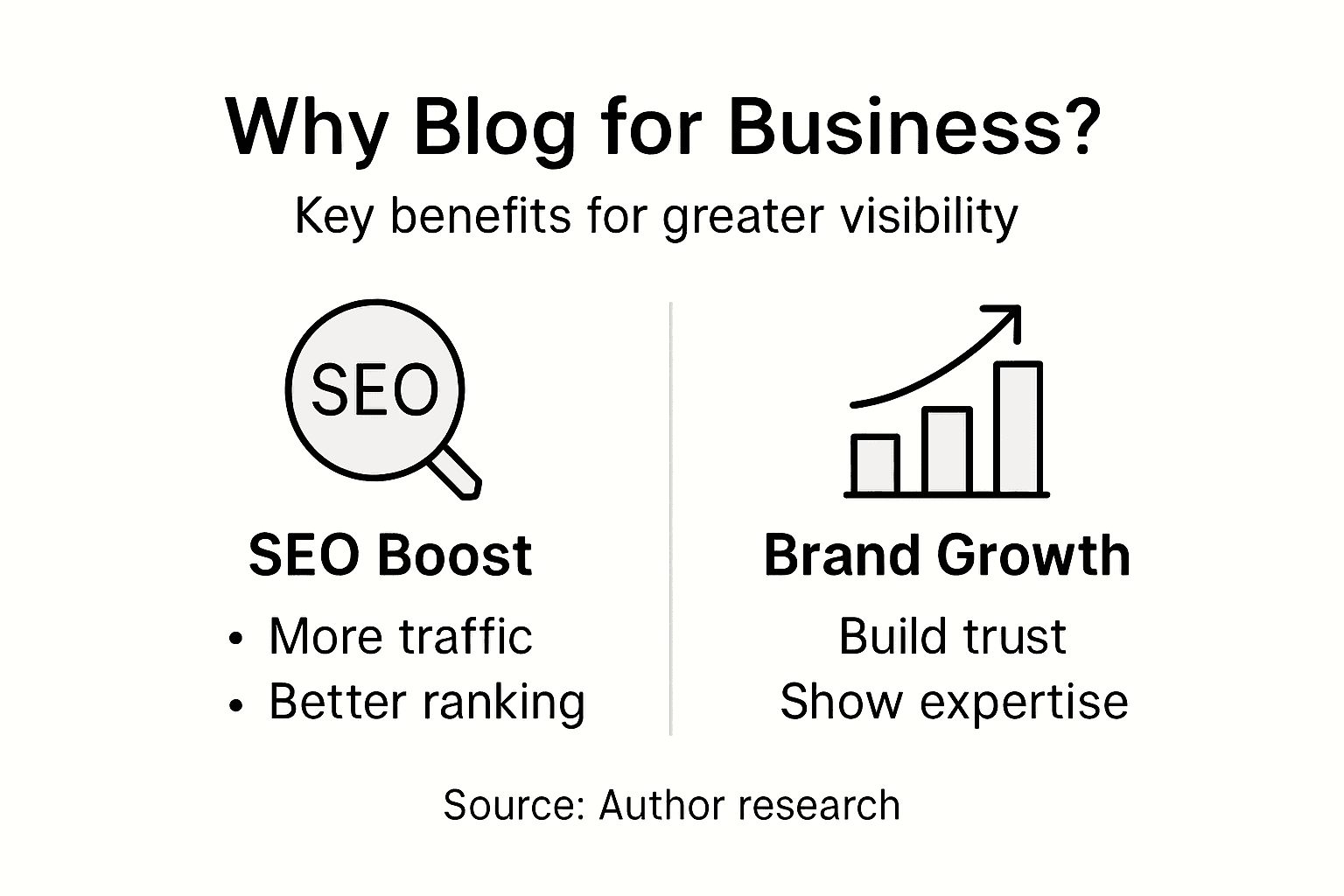
There’s also the user behaviour component. When your blog post ranks on page one of Google for a relevant search query, a new visitor lands on your site. But here’s the crucial part: that visitor doesn’t just read your post and leave. They explore your site. They might read another blog post. They might check your services page. They might even contact you for a quote. This increased engagement tells search engines that your website is valuable enough that people want to spend time there. Search engines reward this with better rankings. Additionally, blog posts create opportunities for internal linking—connecting different pages on your own website—which helps search engines understand your site structure and distributes ranking power throughout your domain. A customer reading your post about heating maintenance might click a link to your full maintenance service page, and that connection strengthens both pieces of content in the eyes of search algorithms.
The traffic growth from blogging compounds over time. A single blog post from three months ago might still be attracting visitors today. A year-old post could be driving consistent traffic. Unlike paid advertising that stops the moment you stop paying, well-written blog content keeps working indefinitely. A local accountant who published a post called “Five Tax Deductions Small Business Owners Miss” two years ago is probably still getting monthly visits from that post. Each month, it attracts new people searching for tax information. Each new reader is a potential client. This long-term return on effort is why blogging consistently outperforms one-off marketing campaigns for businesses trying to build sustainable online visibility.
Pro tip: Focus your first ten blog posts on answering the exact questions your customers ask you repeatedly, then optimise those posts with clear headings, bullet points, and at least two internal links to other relevant pages on your website.
Blogging for Brand Authority and Customer Trust
Trust is currency in business. A prospect who has never heard of your company will hesitate before spending money with you. But a prospect who has read ten of your blog posts, each one genuinely solving a problem they face, feels differently. They’ve spent time with your thinking. They’ve seen your expertise in action. They understand how you approach problems. That familiarity transforms a stranger into someone who believes you actually know what you’re talking about. Building brand authority through blogging involves consistently providing valuable, trustworthy content that demonstrates your knowledge and commitment to helping customers. This is how blogging creates authority where none existed before.
Consider what happens when a potential customer searches for a solution to their problem. They find your blog post. It’s thorough. It doesn’t oversell your services; instead, it genuinely helps them understand their options, including alternatives to what you offer. They finish reading and think, “This person clearly knows their field.” They might not buy from you immediately, but something shifts. You’ve positioned yourself as a credible expert rather than just another business trying to make a sale. This happens because authenticity and expertise portrayed in blog content are crucial factors in building trust with audiences. When your blog content reflects genuine knowledge and a real commitment to helping readers, people sense that authenticity. They trust it because it feels honest. It’s the opposite of marketing spin.
The trust-building process works through repeated positive interactions. Someone reads your first blog post. It’s helpful. They come back. They read your second post. It’s also helpful. By the fifth post, they’ve developed a sense of your reliability. You’re consistent. You know your subject. You’re willing to share knowledge freely without gatekeeping. This consistency over time is what transforms casual readers into loyal customers and advocates. When they finally need to hire someone in your field, your business is the natural choice because they already know you through your blogging. Even better, they often recommend you to others because they want to share something genuinely useful. A plumbing company’s detailed blog about preventing common winter issues doesn’t just attract people searching for that information; it creates customers who feel grateful because they found practical wisdom, not just sales pressure.
Brand authority built through blogging also changes how your existing customers perceive you. When people you work with discover you maintain a thoughtful blog, their confidence in you increases. You’re not just someone who solves their immediate problem; you’re someone dedicated to the broader field. You’re investing time in educating people because you care about doing things properly. This deepens customer relationships and increases the likelihood they’ll return for additional services and recommend you to others. The blog becomes evidence of your professionalism and commitment, reinforcing the initial decision they made to work with you.
There’s also a compounding effect with authority. Once you’re established as a credible voice in your field, people start seeking you out. Journalists writing about industry trends might reference your blog. Other business owners might link to your posts. Speaking opportunities arise. Your content begins working harder for you because your reputation precedes it. New readers arrive with higher expectations and more trust because they’ve heard about you from others who recognised your authority. This virtuous cycle doesn’t happen overnight, but it’s remarkably powerful over time.
Pro tip: Share your most vulnerable professional lessons in your blog—times you learned something the hard way or mistakes you see clients commonly make—because this raw honesty builds far more trust than perfect, polished posts ever could.
Turning Blog Readers Into Leads and Clients
A blog post that educates but never converts is like a shop window that displays products but has no door. Someone stops to look. They’re interested. But they can’t actually take the next step. This is the moment where many business owners miss their opportunity. The blog traffic is valuable only if you capture contact information from interested readers and guide them toward becoming paying clients. Converting blog readers into leads involves strategic content marketing where engaging blog posts are coupled with clear calls-to-action. Your blog becomes a lead generation engine when you deliberately design it to move readers from passive consumption to active engagement with your business.
The mechanics of conversion happen through deliberate strategy. First, you need a clear call-to-action at the end of each blog post. This isn’t subtle. It’s direct. After your plumbing post about frozen pipe prevention, you might write: “If you’re concerned about your system’s winter readiness, book a free 15-minute inspection call.” Or after your accountancy post about tax deductions, you offer a free guide: “Download our checklist of 12 deductions most small business owners miss.” These lead magnets—valuable resources people willingly exchange their email address to receive—are where the conversion actually happens. You’re not asking them to buy immediately; you’re asking them to raise their hand and say “I’m interested.” This is the bridge between reader and lead.
The second strategy layer involves landing pages and signup forms. Blogs convert casual readers into warm leads through optimised content, landing pages, and embedded signup forms positioned strategically throughout your site. When someone finishes reading your blog post and clicks to download your lead magnet, they land on a form asking for their email, name, and sometimes phone number. This information is gold. It allows you to follow up, nurture them with additional helpful content, and eventually invite them to become clients. The key is making the exchange feel fair. They’re giving you contact information; you’re giving them something genuinely valuable in return, not spam or sales pressure. A free guide, a checklist, a template, or access to an email course all work because they deliver real value without requiring a purchase decision.
Once you have someone’s contact information, the real relationship-building begins. This is where email nurturing takes over from your blog. You send them relevant content. You share additional insights. You gradually make them aware of your services without bombarding them with sales pitches. This process takes time. Someone might read your blog for three months before they’re ready to buy. But they’re warm when they do reach out because you’ve been consistently helpful. They know you. They trust you. They’re predisposed to work with you.
The structure that makes this work involves thinking about your blog as part of a customer journey. Early-stage content answers broad questions and attracts people just becoming aware they have a problem. Mid-stage content helps them evaluate options and understand solutions. Late-stage content addresses specific concerns about working with your business. A prospect reading your early-stage blog post about common heating problems might eventually read your later post comparing different heating solutions, then your case study showing how you helped another business, then your page explaining your service guarantees. Each piece of content moves them closer to being ready to buy. Your blog isn’t disconnected from your business goals; it’s strategically designed to funnel interested readers into your sales process.
Pro tip: Add a specific, compelling offer at the end of every blog post—something worth their email address—and then automate at least three follow-up emails that provide additional value before any sales pitch appears in your inbox.
Common Blogging Mistakes to Avoid
Many business owners start blogging with enthusiasm and abandon it within months. The difference between those who succeed and those who quit rarely comes down to talent. It comes down to avoiding predictable mistakes that drain motivation and waste effort. The most damaging mistake is inconsistent posting. You publish three posts in the first week, then nothing for two months, then suddenly four posts appear. Search engines notice this erratic behaviour and stop prioritising your site. Your audience notices too and stops checking back. Consistency signals professionalism and reliability to both algorithms and humans. Pick a schedule you can actually maintain, even if it’s just one post every two weeks, and stick to it religiously.
Another critical error is treating your blog as a broadcast channel rather than a conversation. Common mistakes include neglecting audience engagement and failing to interact with readers. You publish a post and move on. Someone leaves a thoughtful comment, and you ignore it. Someone shares your post and asks a question, and you don’t respond. This transforms your blog from a relationship-building tool into a monologue. Real blogs create dialogue. When someone takes time to comment or share, acknowledging that effort costs you nothing but builds genuine connection. The best blog strategies include reading and responding to comments, answering questions in your email, and engaging with people who share your content on social media. You’re not just pushing information out; you’re building a community around your expertise.
Poor content quality is perhaps the most obvious mistake, yet it remains surprisingly common. Some business owners publish posts that feel rushed and half-formed. Others use jargon so thick that only industry insiders understand anything. Bloggers often make mistakes such as lacking clarity in messaging or overusing technical language that alienates their actual audience. Your blog should serve your customers, not impress other experts. If your reader finishes an article feeling confused, you’ve failed, regardless of how intelligent the content actually is. Write with clarity. Explain acronyms. Use concrete examples. Break complex ideas into digestible pieces. Someone reading your blog for the first time shouldn’t need a PhD to understand what you’re saying.
You’re also making a mistake if you publish content and then abandon it. Your blog post isn’t a finished product; it’s a living asset. Returning to old posts, updating them with new information, and refreshing examples keeps that content valuable and signals to search engines that you maintain high standards. A post about industry trends from two years ago needs updating. A how-to guide from last year might include better techniques now. The best performers actively manage their blog library rather than just adding new posts and ignoring the old ones.
Finally, avoid publishing without any promotional strategy. You can write the most brilliant post in the world, but if nobody reads it, what’s the point? Many bloggers fail to promote posts through social media or other channels, leaving valuable content undiscovered. After publishing, share your post multiple times across your platforms. Email it to your list. Mention it in relevant conversations. Add it to your email signature for a month. Link to it from other posts. The promotion phase is just as important as the writing phase. Some business owners spend an hour writing and five minutes promoting; the ratio should often be reversed.
Pro tip: Audit your blog right now by counting how many posts you published in the last three months, then commit to a specific posting schedule you’ll honour for the next 90 days, whether that’s weekly, twice monthly, or whatever feels sustainable for your business.
Unlock Your Business Potential with Strategic Blogging and Expert Web Solutions
The challenge many businesses face, as highlighted in the article “Why Have a Blog: Transforming Business Visibility”, is turning blog efforts into measurable growth and increased online presence. If you are looking to overcome inconsistent posting, lack of search engine optimisation or want to transform visitors into leads, understanding concepts like brand authority and SEO-driven content is vital. Your goals probably include gaining consistent website traffic, building customer trust, and converting readers into paying clients. This is exactly where Kickass Online can help by crafting high-converting blogs integrated into professional websites designed to boost your digital footprint.
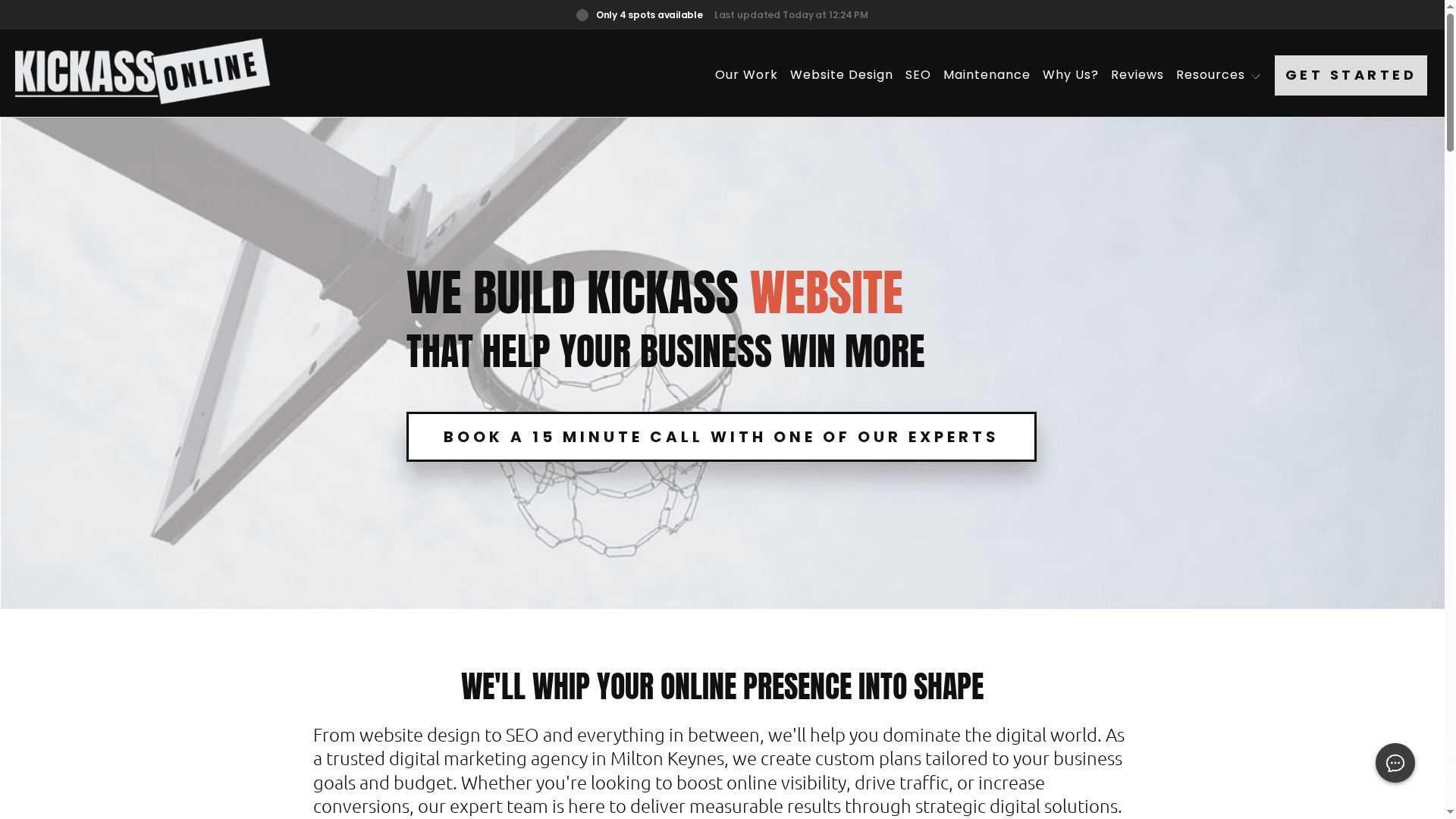
Explore our range of Websites | Kickass Online where we combine tailored website design with SEO best practices to make your blog content work harder for your business. Benefit from our expert guidance found in Tutorials | Kickass Online to understand how blogging fits into a broader marketing strategy. Ready to turn your blog from a simple collection of posts into a powerful lead generation tool? Visit Kickass Online today to book a personalised consultation and start transforming your visibility now.
Frequently Asked Questions
What is the purpose of a business blog?
A business blog serves as a platform to share insights, expertise, and valuable content related to your products or services. It helps attract potential customers, build trust, and improve your website’s visibility.
How does blogging impact SEO and website traffic?
Blogging improves SEO by providing fresh, keyword-optimised content that search engines can index. Each blog post creates an additional opportunity for customers to discover your business through search results, leading to increased website traffic over time.
How often should a business update its blog?
Consistency is key; businesses should aim to post regularly, whether that’s weekly, bi-weekly, or monthly. A consistent posting schedule helps maintain audience engagement and signals to search engines that your site is active and relevant.
What types of content should be included in a business blog?
A successful business blog should include various content types such as how-to guides, industry news, case studies, interviews, and company updates. This variety keeps the audience engaged and caters to different customer needs.
Recommended


Book A Discovery Call
Stay Connected