
How to Design a Custom Website for MSP
In today’s digital landscape, a well-designed website is crucial for Managed Service Providers (MSPs) looking to establish credibility, attract new clients, and effectively showcase their services. A custom website tailored specifically to the needs of an MSP can set you apart in a competitive market. This guide explores the key elements and best practices for designing a website that not only looks professional but also drives business growth.
Understanding the Importance of a Custom MSP Website
Unlike generic business websites, an MSP website must communicate technical expertise while remaining accessible to potential clients who may not be IT-savvy. The goal is to build trust quickly and demonstrate how your services can solve specific problems. A custom design allows you to highlight your unique value propositions, tailor content to your target audience, and integrate tools that streamline client interactions.
Moreover, MSP clients often seek reliability and professionalism. Your website serves as a first impression and a 24/7 sales representative, so investing in a strategic, user-friendly design pays dividends in client acquisition and retention.
In addition to aesthetics and functionality, a custom MSP website can enhance your search engine optimisation (SEO) efforts. By creating content that is specifically tailored to the needs and questions of your target audience, you can improve your visibility on search engines, making it easier for potential clients to find you. This not only drives traffic to your site but also positions your brand as a thought leader in the industry. Incorporating relevant keywords, informative blog posts, and case studies can further establish your authority and expertise, encouraging visitors to engage with your services.
Furthermore, a well-designed MSP website can incorporate client testimonials and case studies that showcase your successful projects. These elements serve as social proof, reinforcing your credibility and helping prospective clients envision the benefits of your services. By presenting real-world examples of how you've solved problems for other businesses, you create a compelling narrative that resonates with potential clients, making them more likely to reach out for your assistance.
Prioritise Mobile-First and Responsive Design
With over half of internet traffic coming from mobile devices, adopting a mobile-first approach is essential. This means designing your website primarily for mobile users and then scaling up for larger screens. Responsive design techniques ensure your site adapts seamlessly to any device, whether it’s a smartphone, tablet, or desktop.
Responsive websites improve user experience by providing easy navigation, readable text, and appropriately sized images regardless of screen size. This adaptability also benefits your SEO rankings, as search engines like Google prioritise mobile-friendly sites in their results. Moreover, a mobile-first design not only caters to the growing number of users accessing the internet via their phones but also acknowledges the unique behaviours and expectations of mobile users, who often seek quick and efficient interactions.
In addition to enhancing user experience, a mobile-first strategy can significantly impact conversion rates. Research indicates that users are more likely to engage with a site that loads quickly and offers a smooth browsing experience. By prioritising mobile design, businesses can capture the attention of potential customers more effectively, leading to increased sales and customer loyalty. Furthermore, as mobile technology continues to evolve, staying ahead of the curve with a responsive design will ensure your website remains relevant and competitive in an ever-changing digital landscape.
Key Tips for Mobile-First Design
- Use fluid grids and flexible images to allow content to resize smoothly.
- Keep navigation simple and accessible with clear menus and buttons.
- Optimise loading times by compressing images and minimising code.
Optimise Website Speed for Better Engagement
Website speed is a critical factor influencing user experience and search engine rankings. Studies show that users expect pages to load within two to three seconds; delays beyond this can lead to high bounce rates and lost opportunities.
To ensure your MSP website loads quickly, focus on optimising images by compressing them without losing quality, choosing a reliable hosting provider with fast servers, and minimising unnecessary scripts or plugins. Regularly testing your site’s speed using tools like Google PageSpeed Insights can help identify bottlenecks and areas for improvement.
In addition to these fundamental strategies, consider implementing a content delivery network (CDN) to distribute your website’s content across multiple servers worldwide. This can significantly reduce load times for users who are geographically distant from your main server. Furthermore, leveraging browser caching can enhance performance by storing frequently accessed files on users' devices, allowing for quicker retrieval on subsequent visits. These advanced techniques not only improve speed but also contribute to a smoother and more enjoyable browsing experience.
Moreover, the impact of website speed extends beyond mere user satisfaction; it also plays a vital role in conversion rates. Research indicates that even a one-second delay in page load time can result in a 7% reduction in conversions. This highlights the importance of maintaining an optimised site, particularly for businesses reliant on online transactions. By prioritising speed, you not only enhance user engagement but also bolster your overall business performance, making it an essential aspect of your digital strategy.
Craft Clear Value Propositions and Detailed Service Pages
Visitors to your MSP website want to understand immediately what you offer and how it benefits them. Clear, benefit-driven headlines and concise explanations are essential to communicate your value effectively.

Each service you provide should have its own dedicated page or section that breaks down complex IT solutions into simple, digestible information. Use bullet points, infographics, or short videos to illustrate how your services solve common business challenges, such as network security, data backup, or cloud management.
Why Detailed Service Pages Matter
Detailed service pages not only educate potential clients but also improve your website’s search engine optimisation (SEO) by targeting relevant keywords. This can increase organic traffic from businesses actively searching for MSP services.
Build Trust with Client Testimonials and Case Studies
Trust is a cornerstone of any MSP-client relationship. Including genuine client testimonials and well-crafted case studies on your website can significantly enhance your credibility.
Testimonials provide social proof, showing that others have benefited from your services. Case studies go further by detailing specific challenges, your approach, and measurable results. This storytelling approach helps prospects visualise the value you bring and reassures them that you can deliver on your promises.
Design Intuitive Navigation and Strong Calls to Action
A website’s navigation should be straightforward, allowing visitors to find information quickly without frustration. Use clear menus, logical page hierarchies, and consistent layout across the site.
Calls to action (CTAs) such as “Contact Us,” “Request a Quote,” or “Schedule a Consultation” should be prominently displayed and easy to access. Strategically placing CTAs encourages visitors to engage with your business, turning casual browsers into leads.
Best Practices for Navigation and CTAs
- Limit top-level menu items to essential categories to avoid overwhelming users.
- Use contrasting colours and compelling text for CTAs to make them stand out.
- Ensure CTAs are mobile-friendly and easy to tap on smaller screens.
Incorporate High-Quality Visual Assets
Visual elements play a significant role in creating a professional and engaging website. High-resolution images, custom illustrations, and videos can enhance your brand identity and make your content more appealing.
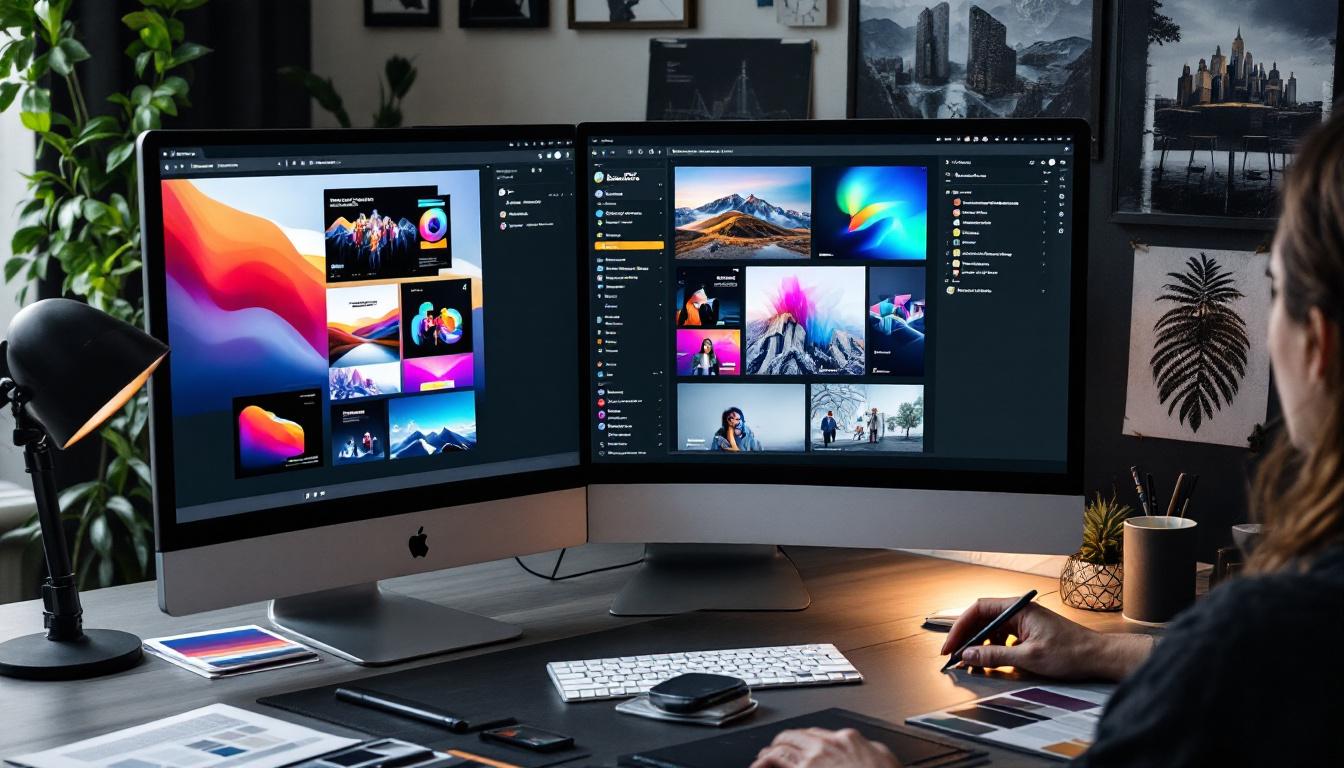
For MSP websites, consider using visuals that reflect technology, security, and professionalism. Avoid generic stock photos where possible; instead, opt for custom graphics or photos of your team and office to add authenticity.
Integrate CRM and Marketing Tools Seamlessly
Integrating your website with Customer Relationship Management (CRM) systems and marketing automation tools can streamline lead capture and nurture processes. This integration allows you to personalise user experiences, track visitor behaviour, and automate follow-ups.
For example, forms on your website can feed directly into your CRM, enabling your sales team to respond promptly to inquiries. Marketing tools can help segment your audience and deliver targeted content, increasing the likelihood of conversion.
Ensure Accessibility and Compliance
Making your MSP website accessible to all users, including those with disabilities, is both a legal requirement and a best practice. Following the Web Content Accessibility Guidelines (WCAG) ensures your content is perceivable, operable, understandable, and robust.

Simple steps include providing alternative text for images, using sufficient colour contrast, and ensuring your site can be navigated using a keyboard. Accessibility not only broadens your audience but also improves overall usability for everyone.
Leverage Data-Driven Iteration for Continuous Improvement
Launching your website is just the beginning. Regularly analysing user behaviour through tools like heat maps and session recordings can reveal how visitors interact with your site and where they encounter obstacles.
Implementing A/B testing allows you to experiment with different headlines, CTAs, or layouts to see what resonates best with your audience. This data-driven approach leads to incremental improvements in engagement and conversion rates over time.
Optimise for Local SEO to Attract Nearby Clients
For MSPs serving specific geographic areas, local SEO is vital. Optimising your website for location-based searches helps you appear in local search results, driving more relevant traffic.
Create unique content for each location you serve, incorporate location-specific keywords naturally, and ensure your Name, Address, and Phone (NAP) details are consistent across your website and online directories. This consistency boosts your visibility on platforms like Google Maps and local business listings.
Conclusion
Designing a custom website for your MSP is a strategic investment that can significantly impact your business growth. By focusing on mobile-first design, fast load times, clear communication of services, and trust-building elements like testimonials, you create a site that appeals to both search engines and potential clients.
Incorporating intuitive navigation, strong CTAs, high-quality visuals, and seamless integration with CRM and marketing tools further enhances user experience and operational efficiency. Don’t overlook accessibility and local SEO, as these factors broaden your reach and ensure compliance.
Finally, adopting a data-driven approach to continually refine and improve your website ensures it remains effective in meeting your business goals. With careful planning and execution, your MSP website can become a powerful asset, attracting, engaging, and converting visitors into loyal clients.
Ready to elevate your MSP's online presence with a custom website that drives results? At Kickass Online, we specialize in bespoke web development, leveraging platforms like WordPress, Umbraco, Shopify, Webflow, and custom solutions with Angular, MERN, or Laravel. Our expertise extends to website maintenance, SEO, PPC, and implementing AI and automations to grow your business. Don't miss the opportunity to transform your digital strategy. Book a discovery call with us today and let's create a website that stands out in the competitive MSP market.