What Is UX Design and Its Impact on Business Success

Most british websites lose nearly 38 percent of visitors due to poor user experience. For small to medium-sized businesses in Milton Keynes, even minor design flaws can damage credibility and push customers toward competitors. Understanding what UX design truly means and recognising common misconceptions can help businesses create digital platforms that stand out and keep customers returning. This introduction explains how strong UX design shapes first impressions and drives meaningful online growth.
Table of Contents
- Defining UX Design And Common Misconceptions
- Key Types Of UX Design For Websites
- The UX Design Process And Essential Principles
- How UX Design Drives Business Growth
- Common UX Mistakes And Best Practices
Key Takeaways
| Point | Details |
|---|---|
| Holistic Understanding of UX Design | UX design encompasses emotional, psychological, and functional aspects, going beyond mere aesthetics or usability. |
| Strategic Importance for Businesses | Investing in effective UX design enhances user satisfaction, brand perception, and overall business performance. |
| Iterative Design Process | A structured, user-centred approach involving research, prototyping, and testing is crucial for refining user interactions. |
| Avoiding Common Mistakes | Successful UX design requires in-depth user research and continuous testing to align product offerings with actual user needs. |
Defining UX design and common misconceptions
User Experience (UX) design represents a complex and nuanced discipline that extends far beyond simple interface creation. Diverse interpretations of UX design highlight the multifaceted nature of this critical business approach, which integrates emotional engagement, functional design, and strategic user interaction.
At its core, UX design encompasses the holistic experience a user encounters when interacting with a product, service, or digital platform. This means considering not just visual elements, but psychological, emotional, and practical aspects of user interaction. Common misconceptions often reduce UX to mere aesthetic design or basic usability testing, when in reality, it involves a comprehensive understanding of user behaviour, motivations, and potential friction points in their journey.
The strategic importance of UX design cannot be overstated. Multifaceted product interaction experiences demonstrate that effective UX goes beyond technical functionality, directly influencing user satisfaction, brand perception, and ultimately, business performance. Businesses that invest in thoughtful UX design create products and services that not only meet functional requirements but also forge meaningful emotional connections with their target audience.
Pro tip: Conduct regular user testing and gather qualitative feedback to continuously refine your understanding of user experience and identify potential design improvements.
Key types of UX design for websites
Website UX design encompasses multiple sophisticated disciplines that work together to create seamless digital experiences. Multiple disciplines of website design reveal a comprehensive approach integrating interaction design, information architecture, visual design, and usability principles to address diverse user needs and expectations.
The primary types of UX design for websites include interaction design, which focuses on how users engage with digital interfaces; information architecture, responsible for structuring content logically and intuitively; visual design, which creates aesthetic appeal and emotional resonance; and usability design, ensuring websites are functional, accessible, and user-friendly. Each discipline plays a critical role in developing websites that not only look appealing but also provide meaningful, efficient user experiences.
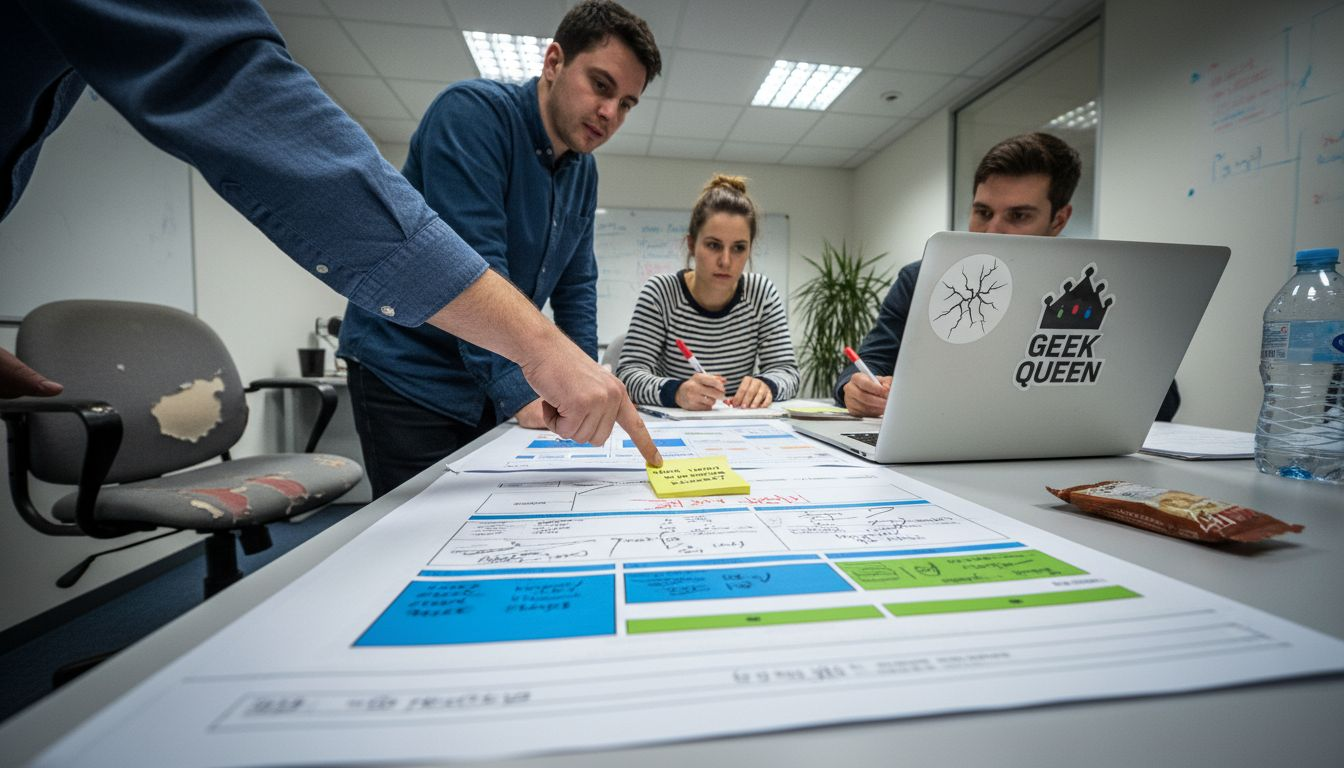
Website UX design integrates complex user-centred approaches that go beyond traditional design principles. These approaches consider psychological factors, user motivations, and potential interaction barriers. By understanding and addressing these nuanced elements, businesses can create digital platforms that genuinely connect with their target audience, transforming website interactions from mere transactions to engaging, memorable experiences.
Pro tip: Conduct periodic user journey mapping to identify potential friction points and continuously refine your website’s user experience design strategy.
Here is a summary of how each key website UX design discipline contributes to a successful digital experience:
| Discipline | Main Focus | Typical Outcome |
|---|---|---|
| Interaction Design | User actions & flow | Smooth navigation & engagement |
| Information Architecture | Organising content | Logical, intuitive structure |
| Visual Design | Look & feel | Strong aesthetic appeal |
| Usability Design | Accessibility & ease | Effortless, inclusive use |
The UX design process and essential principles
UX design represents a strategic, methodical approach to creating digital experiences that truly resonate with users. User-centred design principles guide designers through a comprehensive process that prioritises understanding user needs, developing intuitive solutions, and continuously refining interactions.
The UX design process typically follows a structured, iterative cycle encompassing several critical stages. Initial research and user analysis form the foundation, where designers conduct in-depth investigations into user behaviours, pain points, and expectations. Prototyping follows, allowing teams to create initial design concepts that can be tested and refined. Usability testing becomes a crucial phase where real users interact with these prototypes, providing invaluable feedback that drives subsequent design iterations.
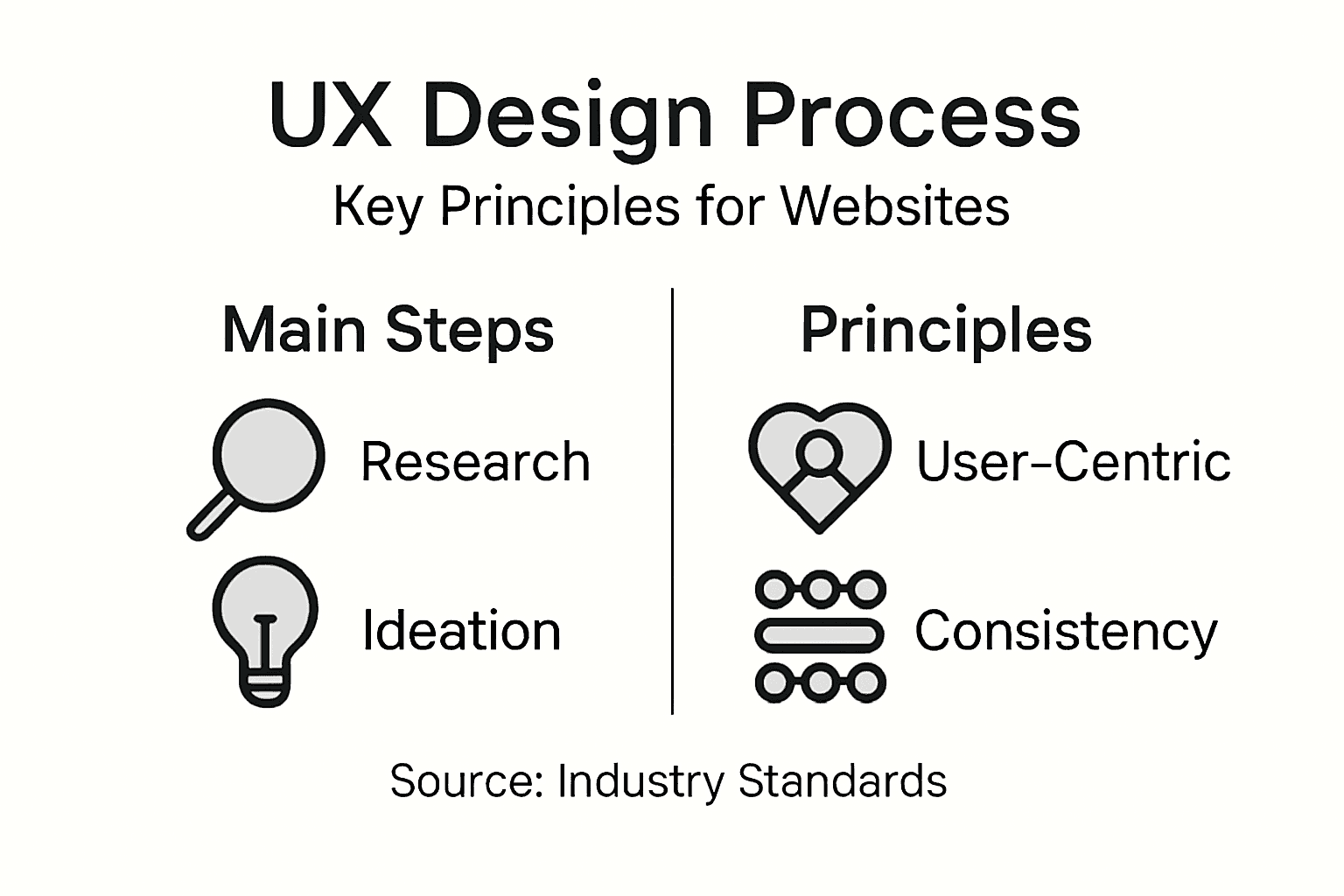
Structured UX design methodologies emphasise key principles that transcend mere visual aesthetics. These include user-centricity, which ensures designs genuinely solve user problems; usefulness, guaranteeing that digital experiences provide tangible value; enjoyment, creating interfaces that are not just functional but also delightful; and inclusivity, developing solutions that are accessible to diverse user groups. By adhering to these principles, businesses can transform digital interactions from transactional experiences to meaningful, engaging journeys.
Pro tip: Implement regular user feedback sessions and maintain a flexible design approach that allows for continuous improvement and adaptation.
How UX design drives business growth
Strategic UX design transforms digital interactions into powerful business growth engines, creating measurable value beyond aesthetic improvements. Business impact of user experience demonstrates how thoughtful design directly correlates with enhanced customer satisfaction, reduced operational costs, and increased revenue potential.
Businesses experience tangible benefits through UX design across multiple performance dimensions. Improved user retention becomes a critical outcome, as intuitive interfaces and seamless experiences encourage customers to engage more deeply with digital platforms. Reduced customer support costs emerge as another significant advantage, with well-designed interfaces minimising user confusion and frustration. Moreover, enhanced brand perception develops naturally when users encounter products and services that genuinely understand and anticipate their needs.
Strategic UX methodologies drive market differentiation by creating compelling user journeys that transform routine interactions into memorable experiences. By focusing on solving real user problems and delivering exceptional digital interactions, businesses can significantly improve key performance metrics such as conversion rates, customer acquisition, and long-term loyalty. The economic impact extends beyond immediate transactions, establishing sustainable competitive advantages that resonate throughout the entire customer ecosystem.
Pro tip: Invest in regular user research and continuously map customer journey touchpoints to identify and eliminate potential friction points in your digital experience.
Common UX mistakes and best practices
User experience design demands precision and deep understanding to avoid critical pitfalls that can undermine digital product effectiveness. UX design fundamentals reveal that many organisations stumble by neglecting comprehensive user research and failing to integrate nuanced user insights into their design strategy.
Several recurring mistakes consistently plague UX design processes. Designers frequently oversimplify complex user needs, creating interfaces that appear elegant but fail to address genuine user challenges. Inconsistent design elements, poor accessibility features, and insufficient user feedback mechanisms can transform potentially useful digital products into frustrating experiences. The most significant errors often stem from assumptions about user behaviour rather than empirical research and direct user engagement.
Fundamental UX design principles emphasise a holistic approach that balances functionality, emotional resonance, and aesthetic appeal. Best practices demand rigorous, continuous testing, developing multiple user personas, and creating flexible design systems that can adapt to diverse user requirements. Successful UX design transcends technical implementation, focusing instead on creating intuitive, inclusive experiences that genuinely solve user problems and anticipate their unspoken needs.
Pro tip: Conduct monthly user testing sessions with diverse participant groups to continuously validate and refine your design assumptions and uncover hidden usability challenges.
The following table compares common UX mistakes against best practices to help guide optimal design strategies:
| Mistake | Negative Impact | Best Practice |
|---|---|---|
| Oversimplifying user needs | Unmet expectations | In-depth user research |
| Inconsistent design elements | Confusing experiences | Unified, flexible design systems |
| Poor accessibility features | Excludes some users | Focus on inclusive design |
| Insufficient feedback channels | Missed improvement opportunities | Regular user testing and feedback |
Elevate Your Business with Expert UX Design and Digital Solutions
Understanding the true impact of UX design on business success unveils common challenges such as unmet user expectations, inconsistent design elements, and poor accessibility. These issues often lead to frustrated customers, lost conversions, and weakened brand loyalty. At Kickass Online, we specialise in addressing these exact pain points by developing high-converting websites that prioritise user-centred design principles, seamless interaction flows, and inclusive usability. Our tailored approach ensures your digital presence not only attracts but retains customers by creating engaging and intuitive experiences that foster trust and satisfaction.
Ready to transform your website into a powerful growth engine that reflects the insights from UX design research? Discover how our professional website design services integrate proven UX strategies to optimise performance and boost your online visibility. Partner with Kickass Online today to benefit from dedicated attention, expert SEO, and continuous maintenance aimed at maximising your business potential. Take the first step now by visiting Kickass Online and booking a consultation that will set your digital journey on the path to success.
Frequently Asked Questions
What is UX design?
UX design, or User Experience design, encompasses the overall experience a user has when interacting with a product, service, or digital platform, focusing on emotional engagement, functionality, and strategic user interaction.
How does UX design impact business success?
A well-implemented UX design improves user satisfaction, brand perception, and directly contributes to business metrics such as customer retention, increased revenue, and reduced operational costs by creating engaging digital experiences.
What are the key types of UX design for websites?
The primary types of UX design for websites include interaction design, information architecture, visual design, and usability design, all of which work together to provide seamless and meaningful user experiences.
What are some common mistakes in UX design?
Common mistakes in UX design include oversimplifying user needs, creating inconsistent design elements, neglecting accessibility, and failing to gather sufficient user feedback, which can lead to frustrating user experiences.
Recommended


Book A Discovery Call
Stay Connected