
Over half of british businesses admit they lack a clear plan for tracking website traffic, highlighting a crucial gap in digital decision making. Knowing how visitors interact with your site can shape marketing, improve content, and boost results. With the right analytics approach, you gain valuable insights while respecting privacy, turning simple visitor numbers into strategies that fuel measurable growth for your online presence.
Table of Contents
- Step 1: Set Up Website Analytics Tools Effectively
- Step 2: Define Clear Traffic Analysis Goals
- Step 3: Collect and Interpret Traffic Data
- Step 4: Identify Patterns and Audience Behaviours
- Step 5: Implement Changes Based on Insights
- Step 6: Monitor Results and Refine Strategies
Quick Summary
| Key Point | Explanation |
|---|---|
| 1. Choose the Right Analytics Tool | Select reputable tools like Google Analytics to collect meaningful audience insights while ensuring data privacy protection. |
| 2. Set Clear Traffic Analysis Goals | Establish specific, measurable objectives to focus your analysis on key metrics that drive business performance. |
| 3. Collect and Interpret Data Systematically | Examine essential metrics and segment data to extract actionable insights for enhancing user experience and engagement. |
| 4. Identify Audience Patterns for Insights | Deeply analyse user behaviours and demographics to understand visitor interactions and refine digital strategies effectively. |
| 5. Continuously Monitor and Adapt Strategies | Establish regular reporting and a responsive strategy to make timely decisions based on emerging insights for ongoing improvement. |
Step 1: Set Up Website Analytics Tools Effectively
Setting up website analytics tools demands strategic precision to understand your digital audience without compromising user privacy. Choosing the right analytics platform enables you to collect meaningful insights about website performance while maintaining robust data protection standards.
Start by selecting a reputable web analytics tool like Google Analytics or Microsoft Clarity. These platforms offer comprehensive tracking capabilities that help decode user behaviour patterns. When configuring your chosen tool, focus on setting privacy respecting tracking parameters to ensure transparent data collection. This means configuring settings to anonymise IP addresses, enabling data retention controls, and providing clear opt out mechanisms for website visitors.
Implement tracking carefully by inserting the analytics tracking code into your website header or using tag management systems. Verify the installation works correctly by checking real time analytics and testing tracking across different pages. Most importantly, configure goals and conversion tracking to measure critical metrics like page views, user engagement, and customer journey progression. By taking a methodical approach, you transform raw website data into strategic intelligence that drives meaningful business growth.
Warning: Always prioritise user consent and transparency when implementing website tracking mechanisms. Respect data protection regulations and provide clear information about your data collection practices.
Step 2: Define Clear Traffic Analysis Goals
Defining clear website traffic analysis goals transforms raw data into strategic business intelligence. By establishing precise objectives, you create a focused roadmap for understanding your digital performance and making informed decisions.

Begin by developing a comprehensive analytics strategy that aligns with your broader business objectives. This means identifying specific metrics that truly matter to your organisation. Consider goals such as tracking user engagement, measuring conversion rates, understanding visitor demographics, or evaluating content performance. Each goal should be specific, measurable, actionable, relevant, and time-bound.
Break down your analysis goals into granular categories. For instance, if you are an ecommerce business, you might focus on tracking sales funnel progression, identifying drop off points, and understanding customer acquisition channels. Service based businesses might prioritise lead generation metrics, contact form submissions, or time spent on key service pages. The key is to select metrics that provide genuine insights into user behaviour and business performance.
Warning: Avoid collecting data for data’s sake. Every metric you track should directly contribute to understanding and improving your business outcomes.
Step 3: Collect and Interpret Traffic Data
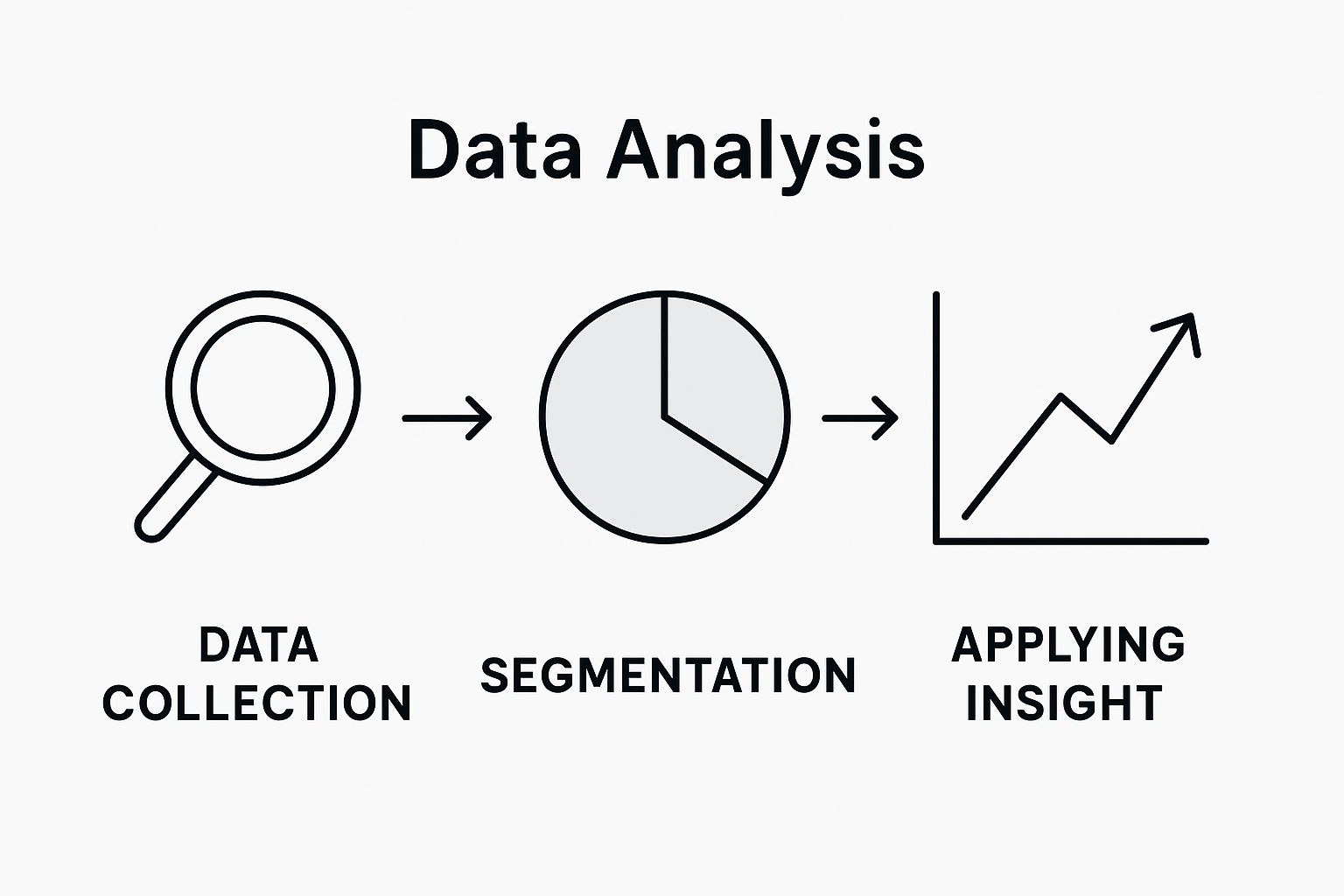
Collecting and interpreting website traffic data is a critical process that transforms raw visitor statistics into actionable business insights. Understanding how to extract meaningful information from your analytics platform enables you to make strategic decisions about your digital presence.
Implementing comprehensive web analytics tools requires a systematic approach to data collection and analysis. Start by examining key metrics such as total page views, unique visitors, average time on site, bounce rates, and traffic sources. These fundamental indicators provide a snapshot of how users interact with your website. Pay close attention to visitor demographics, referral channels, and user behaviour patterns that reveal insights about your audience’s preferences and engagement levels.
Dig deeper by segmenting your data to uncover nuanced insights. Look for trends in user behaviour across different device types, geographic locations, and specific landing pages. Analyse conversion paths to understand how visitors move through your website and identify potential obstacles in their journey. Create custom reports that highlight performance metrics most relevant to your business goals. By treating website data as a strategic asset, you can continuously refine your digital strategy, improve user experience, and drive meaningful business outcomes.
Warning: Always maintain data integrity by regularly verifying your tracking implementation and cross referencing metrics from multiple sources to ensure accuracy.
Step 4: Identify Patterns and Audience Behaviours
Identifying website audience patterns transforms raw data into strategic business intelligence, enabling you to understand precisely how visitors interact with your digital platform. This critical step goes beyond surface level metrics to uncover deeper insights about user motivations and behaviours.
Exploring web analytics tools reveals intricate user interaction patterns that can dramatically improve your digital strategy. Examine key behavioural indicators such as page view duration, click through rates, scroll depth, and navigation paths. Look for recurring trends like which pages retain visitor attention, what content generates the most engagement, and where users typically exit your website. Pay special attention to device specific behaviours, understanding how mobile and desktop users interact differently with your digital content.
Segment your audience data to uncover nuanced insights about different visitor groups. Create user personas based on demographic information, geographic location, and behavioural characteristics. Analyse conversion funnels to understand precisely where potential customers might be losing interest or encountering obstacles. By treating website data as a strategic asset, you can continuously refine your digital experience to meet user expectations and drive meaningful business outcomes.
Warning: Avoid over analysing data. Focus on actionable insights that directly contribute to improving user experience and business performance.
Step 5: Implement Changes Based on Insights
Transforming website analytics insights into tangible improvements requires a strategic and methodical approach. This critical stage bridges the gap between data collection and meaningful business enhancement, allowing you to optimise your digital presence with precision.
Developing a comprehensive analytics strategy involves creating an actionable roadmap for website improvements. Prioritise changes based on their potential impact on user experience and business objectives. Start by addressing critical issues identified in your data analysis such as high bounce rates, underperforming landing pages, or conversion bottlenecks. Implement incremental modifications rather than wholesale redesigns to track the direct impact of each adjustment.
Prioritise changes that demonstrably improve user journey and engagement. This might involve restructuring navigation menus, optimising page load speeds, refining content placement, or creating more intuitive user interfaces. Use A/B testing to validate the effectiveness of proposed changes, comparing performance metrics before and after implementation. Continuously monitor the results of your modifications, remaining agile and ready to iterate based on ongoing user feedback and evolving performance data.
Warning: Resist the temptation to make sweeping changes based on limited data. Each modification should be carefully considered, measured, and aligned with your broader business strategy.
Step 6: Monitor Results and Refine Strategies
Successful website traffic analysis requires an ongoing commitment to monitoring performance and adapting your digital strategy based on emerging insights. This continuous improvement process transforms raw data into a dynamic roadmap for business growth.
Establishing a robust analytics monitoring framework involves creating a systematic approach to tracking key performance indicators. Set up regular reporting intervals such as weekly or monthly reviews to assess critical metrics like user engagement, conversion rates, and audience behaviour. Create custom dashboards that highlight the most relevant performance indicators for your specific business objectives. Pay particular attention to trends over time, looking for consistent patterns or sudden shifts that might require immediate strategic adjustments.
Develop a responsive strategy that allows for quick pivots based on data insights. This means being prepared to modify website content, redesign user interfaces, or adjust marketing approaches when performance metrics suggest potential improvements. Implement a culture of continuous learning within your organisation, where data insights drive strategic decision making. Cross reference your website analytics with other business performance indicators to ensure a holistic understanding of your digital strategy effectiveness.
Warning: Avoid becoming paralysed by data. While monitoring is crucial, remember that insights are most valuable when they prompt decisive and timely action.
Unlock Your Website’s Potential with Expert Traffic Analysis and Custom Solutions
Understanding your website traffic is crucial for business growth but implementing effective analytics and interpreting complex data can be challenging. If you are striving to identify meaningful user behaviour patterns or aiming to optimise conversion paths without getting overwhelmed by raw metrics, Kickass Online offers specialised support. With a focus on precision and privacy respecting analytics, we help you translate insights into actionable strategies that boost engagement and sales.

Explore our tailored Websites services to build a high-converting digital platform designed for your unique audience. Visit Kickass Online today to secure personalised attention and strategic guidance that turns website traffic into real business results. Dive deeper with expert Tutorials created to empower your analytics journey. Take the first step towards smarter digital growth now.
Frequently Asked Questions
How can I set up website analytics tools effectively?
To set up website analytics tools effectively, start by selecting an analytics platform and configuring tracking parameters that respect user privacy. Implement the tracking code on your website, verify its functionality, and set clear goals for conversion tracking to measure key metrics within the first few days after installation.
What should I define as my website traffic analysis goals?
Your website traffic analysis goals should be specific, measurable, actionable, relevant, and time-bound. Identify important metrics such as user engagement and conversion rates, and use these goals to guide your analysis for better decision-making in your business strategy.
How do I collect and interpret website traffic data?
Collect website traffic data by monitoring key metrics like total page views, unique visitors, and bounce rates. Analyse this data systematically to extract insights, and segment your audience to discover patterns that inform your digital strategy within a regular reporting interval such as weekly.
What patterns should I look for in audience behaviours?
Look for trends like page view duration and click-through rates to identify how users interact with your website. Pay attention to recurring behaviours based on device type or geographical location, which can help refine your user experience to increase engagement and reduce drop-off rates.
How can I implement changes based on website analytics insights?
Implement changes by prioritising modifications that directly address issues highlighted in your analytics. Make incremental changes, such as optimising page load speeds or navigation structures, and monitor their impact continuously to ensure improvements align with your business objectives.
Why is it important to monitor results and refine strategies?
Monitoring results and refining strategies is crucial because it allows you to adapt to emerging insights and trends. Establish regular reporting intervals to assess performance, and be responsive to changes by adjusting your website content and marketing approaches based on data findings.