What Is a Business Website? Complete Guide for SMEs

Over 90 percent of british consumers research a company online before deciding to use its services, making a business website more crucial than ever. For businesses aiming to build credibility, reach new customers, and support long-term growth, a well-constructed website acts as the foundation for digital success. This guide demystifies what sets a business website apart, outlines its most valuable features, and explains why every british organisation needs a strong digital home to stay competitive.
Table of Contents
- Defining A Business Website And Its Purpose
- Key Types Of Business Websites Explained
- Essential Features Every Business Website Needs
- Business Website Costs, Roi, And Common Pitfalls
- Choosing The Right Web Development Partner
Key Takeaways
| Point | Details |
|---|---|
| Importance of a Business Website | A business website serves as a professional online representation, facilitating communication and showcasing products or services effectively. |
| Types of Business Websites | Different business objectives require specific types of websites, including informational, e-commerce, portfolio, and content platforms. |
| Essential Features | Key components like clear brand identity, responsive design, and comprehensive content are crucial for a successful website. |
| Choosing a Development Partner | Selecting a web development partner should involve assessing technical expertise, strategic understanding, and support capabilities to ensure alignment with business goals. |
Defining a Business Website and Its Purpose
A business website is a professionally designed digital platform that represents a company’s online presence, serving as a virtual storefront and critical communication channel with potential customers. Unlike personal blogs or social media pages, a business website provides a dedicated space where organisations can showcase their products, services, and brand identity with complete control and credibility.
Modern businesses establish websites with strategic marketing objectives, automating services and achieving significant operational efficiencies that transform how they interact with customers. These digital platforms enable organisations to offer quality service, streamline customer interactions, and reduce administrative overhead through instant information transfer and data management.
A well-crafted business website typically includes essential components that communicate a company’s value proposition effectively. These elements might encompass:
- Clear product or service descriptions
- Professional company background information
- Contact details and communication channels
- Pricing structures or service offerings
- Customer testimonials and case studies
- Intuitive navigation and user experience
By creating a strategically designed business website, small and medium enterprises can establish digital credibility, expand their market reach, and provide 24/7 access to potential customers, transforming how they engage and grow their business in the digital marketplace.
Key Types of Business Websites Explained
Businesses today have diverse digital needs, which are reflected in the various types of websites designed to serve different strategic purposes. These digital platforms are not one-size-fits-all solutions but carefully crafted tools tailored to specific organisational objectives and target audience requirements.
The most common categories of business websites include informational websites that provide comprehensive details about a company’s offerings, and e-commerce websites focused on direct online sales. Some businesses also develop specialised websites like educational platforms and community forums that facilitate knowledge sharing and user engagement.
Here are the primary types of business websites:
-
Informational Websites
- Provide company background
- Showcase products and services
- Establish brand credibility
-
E-commerce Websites
- Enable direct online transactions
- Feature product catalogues
- Integrate secure payment systems
-
Portfolio Websites
- Display professional work
- Highlight previous projects
- Attract potential clients
-
Blog and Content Websites
- Share industry insights
- Demonstrate thought leadership
- Improve search engine visibility
By understanding and implementing the right type of business website, organisations can effectively communicate their value proposition, engage target audiences, and create meaningful digital experiences that drive business growth.
Essential Features Every Business Website Needs
A successful business website must strategically incorporate key elements that reflect the organisation’s brand and communicate its core offerings. These essential features go beyond mere aesthetic design, serving as critical communication tools that connect businesses with potential customers and establish digital credibility.

The fundamental components vary depending on the type of website, but certain core features remain universal. E-commerce platforms require robust functionality like product listings and secure payment processing, while informational sites prioritise clear navigation and comprehensive content. Regardless of the specific business model, websites must provide visitors with immediate insights into the company’s value proposition.
Key essential features include:
-
Clear Brand Identity
- Professional logo
- Consistent colour scheme
- Compelling brand messaging
-
Contact Information
- Multiple contact methods
- Physical address
- Interactive contact forms
-
Responsive Design
- Mobile-friendly layout
- Quick loading times
- Cross-device compatibility
-
Comprehensive Content
- Detailed service descriptions
- About us page
- Customer testimonials
-
Navigation Elements
- Intuitive menu structure
- Search functionality
- Clear call-to-action buttons
By implementing strategic website elements that enhance user experience, businesses can transform their digital presence from a simple online brochure to a powerful customer engagement and conversion platform.
Business Website Costs, ROI, and Common Pitfalls
Developing and operating a business website involves complex financial considerations that extend far beyond initial design and implementation costs. Small and medium enterprises must approach their digital investment strategically, understanding that a website represents more than just an expense—it’s a potential revenue-generating platform with measurable return on investment.
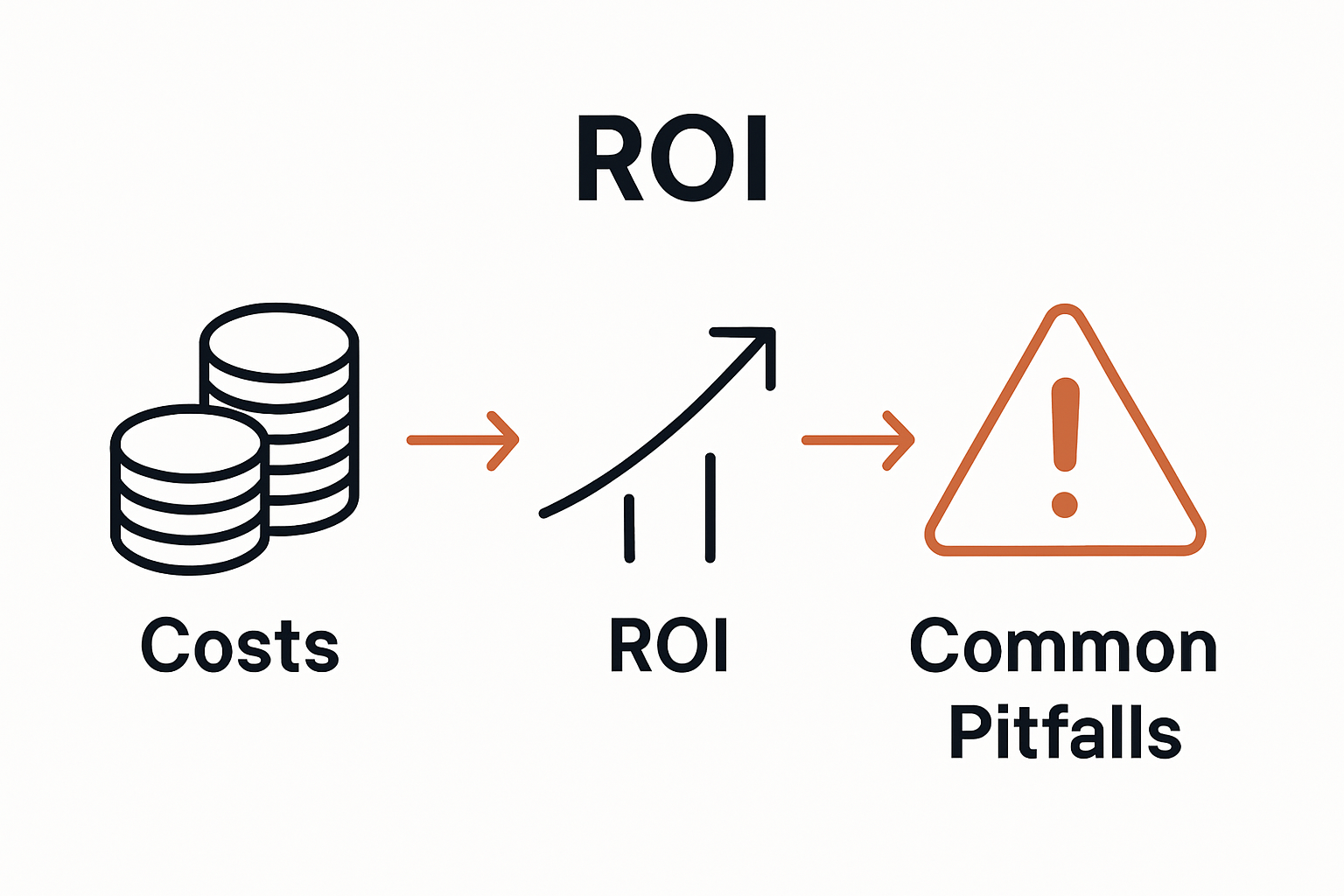
The financial landscape of business websites encompasses multiple dimensions, including development costs, ongoing maintenance, and potential revenue generation. Mobile web solutions can significantly improve return on investment by expanding global reach and enhancing operational efficiency, though businesses must carefully navigate technological challenges and compatibility requirements.
Common website investment pitfalls include:
-
Unexpected Development Costs
- Hidden design expenses
- Complex feature implementations
- Ongoing maintenance charges
-
Technical Limitations
- Poor mobile responsiveness
- Slow page loading times
- Limited cross-device functionality
-
Content Management Challenges
- Outdated information
- Inconsistent brand messaging
- Ineffective search engine optimisation
-
Security Vulnerabilities
- Inadequate data protection
- Weak authentication processes
- Potential cyber security risks
By understanding essential digital marketing metrics for measuring website performance, businesses can transform their websites from potential financial burdens into strategic assets that drive growth and customer engagement.
Choosing the Right Web Development Partner
Selecting the ideal web development partner requires a strategic approach that goes beyond superficial technical capabilities. Small and medium enterprises must carefully evaluate potential partners who can transform their digital vision into a functional, high-performing online platform that truly supports business objectives.
Web development partnerships demand comprehensive assessment of a partner’s experience across various corporate website types, ensuring they can deliver solutions tailored to specific business requirements. The right partner should demonstrate not just technical proficiency, but a deep understanding of how digital platforms can drive business intelligence and strategic growth.
Key criteria for selecting a web development partner include:
-
Technical Expertise
- Proven development portfolio
- Diverse project experience
- Up-to-date technological skills
-
Strategic Understanding
- Business model comprehension
- Industry-specific knowledge
- Alignment with company goals
-
Communication Skills
- Transparent project management
- Regular progress updates
- Collaborative approach
-
Support and Maintenance
- Ongoing technical support
- Website performance monitoring
- Security update commitments
By understanding the comprehensive requirements for web design partnerships, businesses can transform their digital strategy from a transactional service engagement to a collaborative growth partnership.
Elevate Your SME’s Digital Presence with Expert Website Solutions
Struggling to define the perfect business website or unsure how to turn your online platform into a powerful growth engine? Small and medium enterprises often face challenges like unclear brand identity, poor user experience, and the complexity of choosing the right website type or development partner. The good news is you do not have to navigate these hurdles alone. Kickass Online specialises in crafting bespoke business websites that embody your unique value proposition and deliver measurable results.
Explore our Tutorials | Kickass Online to gain insights and practical advice tailored for SMEs. Then, experience the difference that a dedicated digital marketing agency focused on personalised service can make. Visit Kickass Online now to book your consultation and start transforming your website into a high-converting, secure, and professionally optimised business asset designed for long-term success.
Frequently Asked Questions
What is the primary purpose of a business website?
A business website serves as a digital platform that represents a company’s online presence, showcasing products and services while facilitating communication with potential customers.
What types of business websites are available for SMEs?
Common types of business websites for SMEs include informational sites, e-commerce platforms, portfolio websites, and blogs or content sites, each designed to serve specific strategic purposes.
What essential features should every business website include?
Key features include a clear brand identity, contact information, responsive design, comprehensive content, and intuitive navigation elements to enhance user experience and engagement.
How can SMEs measure the return on investment (ROI) from their business website?
SMEs can measure ROI by assessing factors such as website traffic, conversion rates, and engagement metrics. Understanding these aspects transforms the website into a strategic asset that contributes to business growth.
Recommended
- Why Content Marketing Works: Complete Guide for SMEs | Kickass Online
- Digital Marketing Roadmap for SMEs: Online Journey
- Effective Local SEO Strategies for SMEs: Boost Visibility and Dominate Your Market | Kickass Online
- Leveraging Social Media Advertising for SMEs: Unlock Untapped Growth | Kickass Online


Book A Discovery Call
Stay Connected